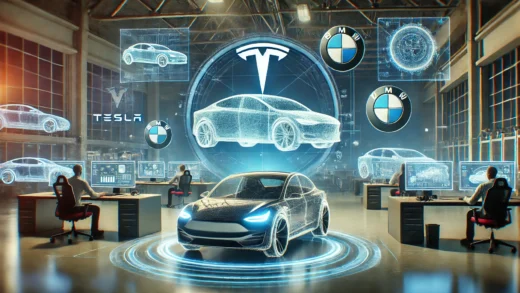
As technology continues to evolve, the automotive industry is experiencing a significant transformation, particularly in the realm of vehicle security. The integration of artificial intelligence (AI) is at the forefront of this change, offering innovative solutions to protect cars and their occupants. In this blog, we will explore the role of AI in car security, how machine learning is utilized for vehicle protection, and the advancements in smart car security systems.
Understanding AI’s Impact on Car Security
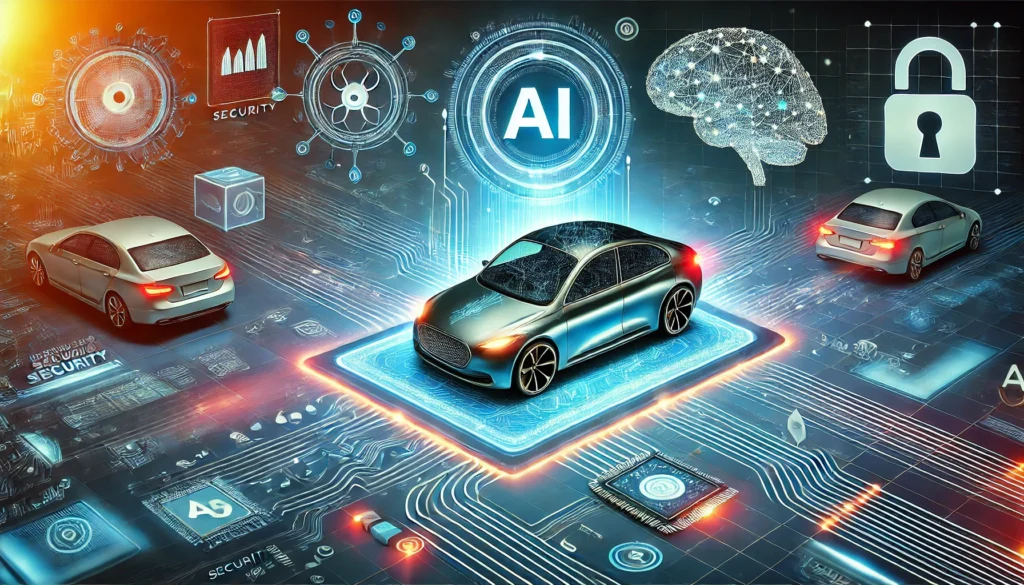
In an era where connected vehicles are becoming the norm, security threats are on the rise. Hackers and cybercriminals are constantly finding new ways to exploit vulnerabilities in vehicle systems. Fortunately, AI is stepping up to meet these challenges. By leveraging sophisticated algorithms and vast amounts of data, AI enhances car security in ways that were unimaginable just a few years ago.
AI in car security systems enables real-time monitoring and analysis of data from various sources. This capability allows vehicles to detect unusual patterns or potential threats, providing drivers with timely alerts. By constantly learning from new data, AI can improve its accuracy in identifying risks, making it a powerful tool in protecting against theft and cyberattacks.
Machine Learning for Vehicle Protection
One of the most significant advancements in AI for car security is the application of machine learning. This technology allows systems to analyze historical data to identify trends and predict potential security breaches. For example, a smart car security system equipped with machine learning algorithms can learn a driver’s behavior, such as their usual routes and driving patterns. If the system detects any deviations from these patterns—like an unrecognized driver or an unfamiliar route—it can trigger alerts or take preventive measures.
Machine learning also plays a crucial role in detecting cyber threats. As vehicles become more connected through the Internet of Things (IoT), the attack surface for cybercriminals expands. AI-driven systems can analyze network traffic, identifying anomalies that may indicate a hacking attempt. By doing so, they can protect sensitive vehicle data and ensure the integrity of the car’s systems.
Advancements in Smart Car Security Systems
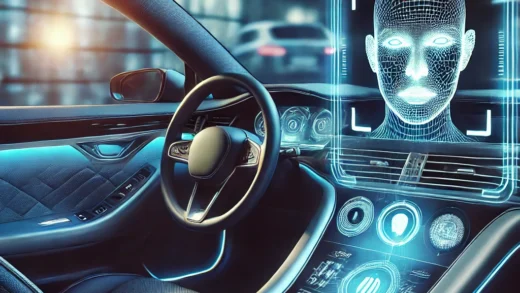
Smart car security systems are transforming the way we think about vehicle protection. These systems go beyond traditional security features, such as alarms and immobilizers, by integrating AI technology to offer advanced security measures. For instance, many modern vehicles are equipped with facial recognition software that can verify the identity of the driver before starting the engine. This added layer of security helps prevent unauthorized access.
Another exciting development is the use of AI in geofencing technology. Geofencing allows car owners to set virtual boundaries for their vehicles. If the car moves outside of these designated areas, the owner receives an immediate notification. This feature is especially beneficial for fleet management, where companies can monitor their vehicles in real time and respond to any unauthorized movements swiftly.
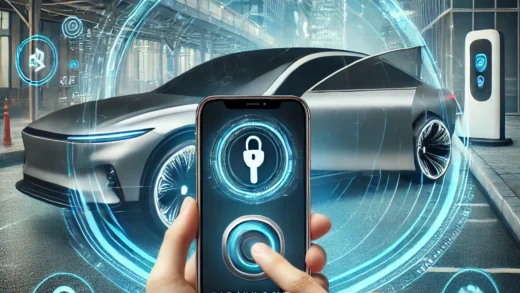
AI also enhances the integration of mobile apps in vehicle security. Many manufacturers now offer smartphone applications that allow owners to control their car security systems remotely. Using AI, these apps can provide insights into the vehicle’s status, alerting the owner to any suspicious activities, such as attempted break-ins or abnormal engine behavior.
The Future of AI in Car Security
As we move further into 2024, the potential for AI in car security will only continue to grow. Manufacturers are increasingly investing in research and development to enhance the capabilities of AI-driven systems. Expect to see more vehicles equipped with predictive analytics that can foresee potential threats based on driver behavior and external data.
Moreover, collaboration between tech companies and automotive manufacturers will drive innovation in smart car security systems. As vehicles become more interconnected, establishing robust cybersecurity measures will be critical to protecting against evolving threats. AI will play a pivotal role in creating these systems, ensuring that cars remain safe in an increasingly digital world.
Conclusion
The integration of AI in car security represents a significant leap forward in protecting vehicles and their occupants. By harnessing the power of machine learning and smart technology, manufacturers are developing advanced security systems that can detect threats and respond in real-time. As we embrace the future of automotive technology, the role of AI will become even more critical in ensuring that our cars remain secure, paving the way for safer roads and peace of mind for drivers across the United States. In this era of rapid technological advancement, staying informed about AI in car security is essential for every vehicle owner.