The automotive world is undergoing a seismic shift, and at the heart of this transformation is the rise of digital car keys. These high-tech alternatives to traditional metal keys promise to make our lives more convenient and connected than ever before. But does this mean the days of physical keys are numbered? Let’s dive deeper into the evolution of car keys and explore whether they’re truly becoming obsolete in the US and Europe.
What Exactly Are Digital Car Keys?
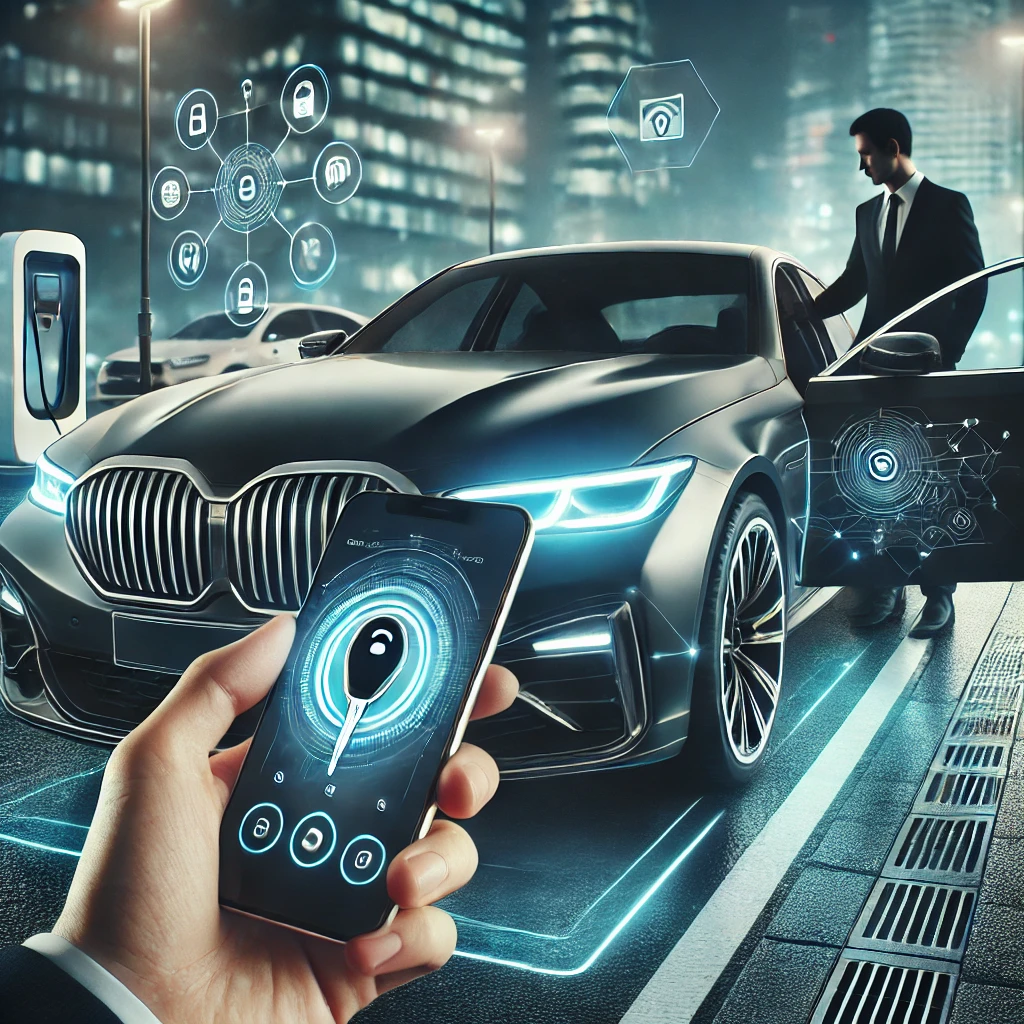
Digital car keys are cutting-edge innovations that allow drivers to use their smartphones, smartwatches, or other connected devices to access and operate their vehicles. These keys utilize a blend of advanced technologies such as Near-Field Communication (NFC), Bluetooth Low Energy (BLE), and Ultra-Wideband (UWB). For example, you might unlock your car just by approaching it with your phone in your pocket or start the engine by placing your device on a specific area of the dashboard.
In addition to unlocking doors and starting engines, digital keys offer features like remote operation. Drivers can pre-warm their car on a chilly morning, locate their vehicle in a crowded parking lot, or even set speed limits and geographical boundaries for others who share their car. This level of functionality is making digital keys a game-changer for car owners.
Why Digital Keys Are Gaining Momentum
One of the most appealing aspects of digital keys is convenience. Imagine never having to fumble through your bag or pockets for a key again—your phone or smartwatch does it all. This is particularly attractive in an era where our smartphones are central to almost every aspect of our lives. They’re our wallets, our communication hubs, and now, potentially, our car keys.
Digital keys also make sharing a vehicle easier. Need to lend your car to a friend or family member while you’re at work? No problem. You can send them temporary access via an app, giving them all the functionality of a key without the hassle of meeting in person. This feature has been a boon for car-sharing platforms and rental services, which are increasingly adopting digital key technology to streamline their operations.
Enhanced Security with a Side of Challenges
While digital keys offer convenience, they’re not without challenges, particularly in the realm of security. Keyless car theft, sometimes called “relay theft,” has been a growing issue. Thieves use specialized devices to amplify the signal from a key fob, tricking the car into thinking the key is nearby. Although digital keys can still be susceptible to such attacks, automakers and tech companies are working hard to fortify these systems.
Newer implementations, like those using UWB technology, are designed to combat relay attacks by enabling precise distance measurements between the car and the key. For example, if a thief tries to use a signal amplifier, the car’s system would recognize the discrepancy and deny access. Automakers like BMW, Audi, and Hyundai are integrating these advanced security features into their digital key offerings to make the technology safer.
Who’s Leading the Charge?
Digital keys are no longer just a futuristic concept; they’re already on the road today. Automakers across the US and Europe are embracing this technology. BMW was one of the first companies to introduce NFC-enabled digital keys, allowing drivers to unlock their cars with a simple tap of their phone. Hyundai has taken it a step further with its Digital Key 2, which works across both smartphones and smartwatches.
Tech giants like Apple and Google are also playing a pivotal role. Apple’s CarKey feature, integrated with the Wallet app, allows iPhone users to lock, unlock, and start compatible vehicles. Meanwhile, Google is incorporating similar features into Android devices. These collaborations between automakers and tech companies are accelerating the adoption of digital keys across a broader range of vehicles.
The Hurdles Ahead
Despite their growing popularity, digital keys face some hurdles. One challenge is ensuring compatibility between different smartphones, operating systems, and vehicle models. For instance, not all vehicles support both iOS and Android-based digital keys, which can limit their appeal. Battery life is another concern; a dead smartphone could leave you stranded, though some systems provide workarounds, such as NFC functionality that works even when your phone’s battery is low.
Another factor is user trust. While tech-savvy drivers may eagerly embrace digital keys, others might remain skeptical, preferring the tactile assurance of a physical key. Manufacturers must focus on making digital systems user-friendly, reliable, and reassuring to all demographics.
Are Physical Keys Really on Their Way Out?
It’s tempting to assume that digital keys will completely replace physical ones in the near future, but the reality is more nuanced. While the trend toward digitalization is undeniable, many automakers still include physical keys as a backup or for entry-level models. Traditional keys are reliable, don’t rely on batteries, and are often seen as less vulnerable to hacking.
For now, physical keys and digital keys will coexist. However, as technology evolves and digital systems become more secure and universally compatible, we may see a gradual decline in the use of traditional car keys. In the not-too-distant future, owning a car with a physical key might become a rarity, much like manual crank windows or tape decks in vehicles.
A Glimpse into the Future
The rise of digital car keys marks an exciting chapter in automotive innovation. They represent not only convenience but also a broader shift toward smart, connected vehicles that integrate seamlessly with our digital lives. While physical keys aren’t entirely obsolete yet, the trend is clear: the future of car keys is digital.
As automakers and tech companies continue to collaborate, the dream of a completely keyless, connected driving experience is quickly becoming a reality. Whether you’re an early adopter or someone who prefers the feel of a metal key in your hand, one thing is certain—car keys, as we know them, are changing forever.