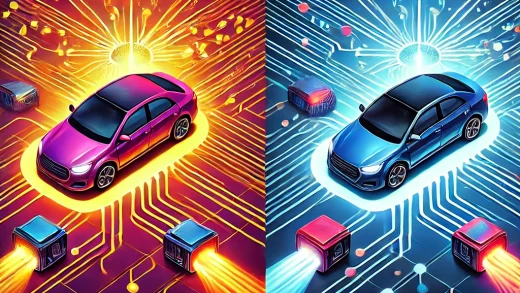
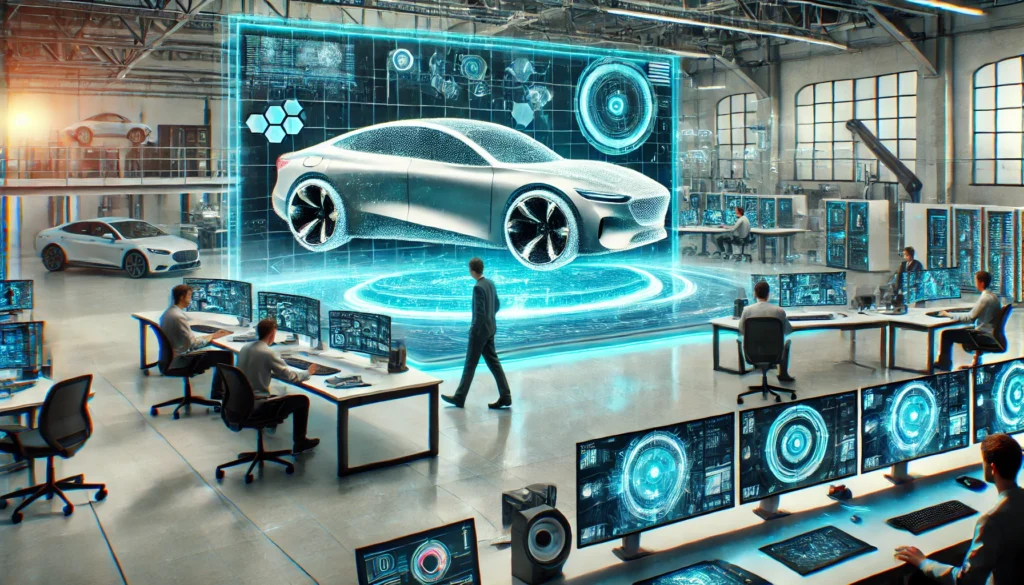
In the fast-paced world of automotive technology, staying ahead of the curve requires innovation at every level, and digital twins have emerged as a pivotal tool for automakers. A digital twin is essentially a dynamic virtual replica of a physical object or system — in this case, a vehicle or its components. This virtual model captures real-time data, enabling automakers to simulate, predict, and optimize vehicle performance throughout the entire lifecycle, from design and production to operation and maintenance.
Digital twins allow manufacturers to predict potential problems, optimize efficiency, and enhance overall performance without the need for physical prototypes or time-intensive testing. As vehicles become more complex with electric drivetrains, autonomous systems, and connected technologies, digital twins serve as a bridge between the physical and digital worlds, accelerating innovation and delivering superior results.
Leading the Charge: Key Players Investing in Digital Twins
Automakers and tech giants in the US and Europe are driving substantial investments into digital twin technologies, reshaping the automotive landscape.
Tesla: Tesla, often considered a pioneer in automotive innovation, uses digital twins to monitor and enhance the performance of their vehicles in real time. Every Tesla vehicle essentially operates as a data node, collecting information that feeds into a digital twin. This allows Tesla to continually push over-the-air updates to improve battery management, self-driving capabilities, and vehicle efficiency. By leveraging digital twins, Tesla not only enhances customer experience but also gains insights for future models, maintaining their leadership in the electric vehicle market.
BMW: BMW is taking full advantage of digital twins to revolutionize their manufacturing processes and vehicle development. The company creates virtual models of both vehicles and production systems, enabling engineers to test new features and identify potential issues long before physical prototypes are built. BMW has also extended digital twin technology into their factories, creating “smart plants” that use real-time data to streamline production, reduce waste, and improve overall efficiency.
Volvo: Volvo has made significant strides in utilizing digital twins, especially in the realm of safety testing. With safety at the core of their brand identity, Volvo employs digital twins to simulate crash scenarios and test safety mechanisms under countless conditions. This allows for faster iteration and refinement of safety features, ensuring that every Volvo vehicle upholds the brand’s commitment to protecting passengers and pedestrians alike.
Siemens and General Motors Partnership: Tech companies like Siemens have also entered the automotive digital twin space. Siemens partnered with General Motors to provide advanced software solutions that optimize vehicle design and production processes. Together, they’ve explored how digital twins can drive innovation in electric vehicle platforms and autonomous systems, bridging the gap between advanced engineering and large-scale production.
Advantages of Digital Twins in Automotive Manufacturing
The adoption of digital twins is fundamentally transforming how vehicles are designed and produced. By enabling manufacturers to simulate and analyze processes in a virtual environment, digital twins help identify inefficiencies, reduce costs, and speed up development cycles.
For example, manufacturers can test how individual components perform under stress or extreme weather conditions without having to build physical models. This capability is especially important as the industry shifts towards electric vehicles (EVs) and autonomous driving, both of which require rigorous testing of battery technologies, sensors, and AI systems. Additionally, digital twins can simulate wear and tear over time, helping manufacturers predict maintenance needs and design vehicles for greater durability.
This technology is also a boon for sustainability efforts. Automakers can reduce material waste and energy consumption by optimizing production processes using digital twins, contributing to a more environmentally friendly industry. For EV manufacturers, digital twins offer insights into battery performance and recycling, paving the way for cleaner energy solutions.
Driving Customer Satisfaction and Loyalty
The benefits of digital twins extend far beyond the factory floor. For consumers, the application of digital twins results in vehicles that are smarter, safer, and more reliable. Real-time data from digital twins enables manufacturers to diagnose and address potential problems before they occur, reducing breakdowns and enhancing vehicle longevity. This proactive approach also allows automakers to offer predictive maintenance solutions, giving drivers peace of mind and minimizing costly repairs.
Additionally, digital twins enhance the connected vehicle experience. Automakers can analyze driving behavior through a vehicle’s digital twin to tailor updates, improve fuel efficiency, and even adjust autonomous driving algorithms to better suit a driver’s habits. This personalization fosters stronger customer loyalty, as vehicles adapt to individual needs over time.
The Road Ahead: A Future Defined by Digital Twins
The integration of digital twins in the automotive industry is only just beginning, but its potential is vast. As artificial intelligence, machine learning, and IoT technologies continue to evolve, digital twins will become even more powerful, enabling breakthroughs in electric mobility and autonomous driving.
For example, future applications of digital twins could include real-time monitoring of traffic patterns and weather conditions to optimize autonomous vehicle performance. Similarly, automakers could use the technology to refine EV battery charging algorithms, ensuring faster and more efficient energy use.
Beyond individual vehicles, entire fleets and transportation systems can benefit from digital twin models. Municipalities and ride-sharing companies could use this technology to manage traffic flow, reduce congestion, and improve public transportation networks.
Conclusion
Digital twins are reshaping the automotive industry in profound ways, delivering smarter, safer, and more sustainable vehicles while streamlining production processes. Companies like Tesla, BMW, and Volvo are leading the way, proving that this technology is not just a futuristic concept but a present-day reality.
As automakers and technology providers continue to invest in digital twins, the possibilities for innovation are endless. From enhancing EV performance to advancing autonomous driving, digital twins are setting the stage for a future where vehicles are not just modes of transportation but intelligent, adaptive systems that elevate the way we move.