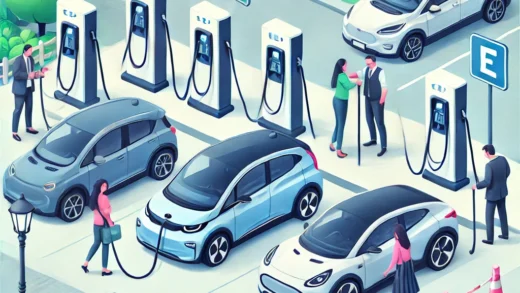
The electric vehicle (EV) revolution is in full swing across the US and Europe, with more drivers than ever making the switch to sustainable transportation. Yet, for many, the thought of waiting hours for their car to charge still feels like a speed bump on the road to mass EV adoption. Thankfully, fast-charging technology is advancing rapidly, and soon, charging an EV may take little more time than a quick coffee break.
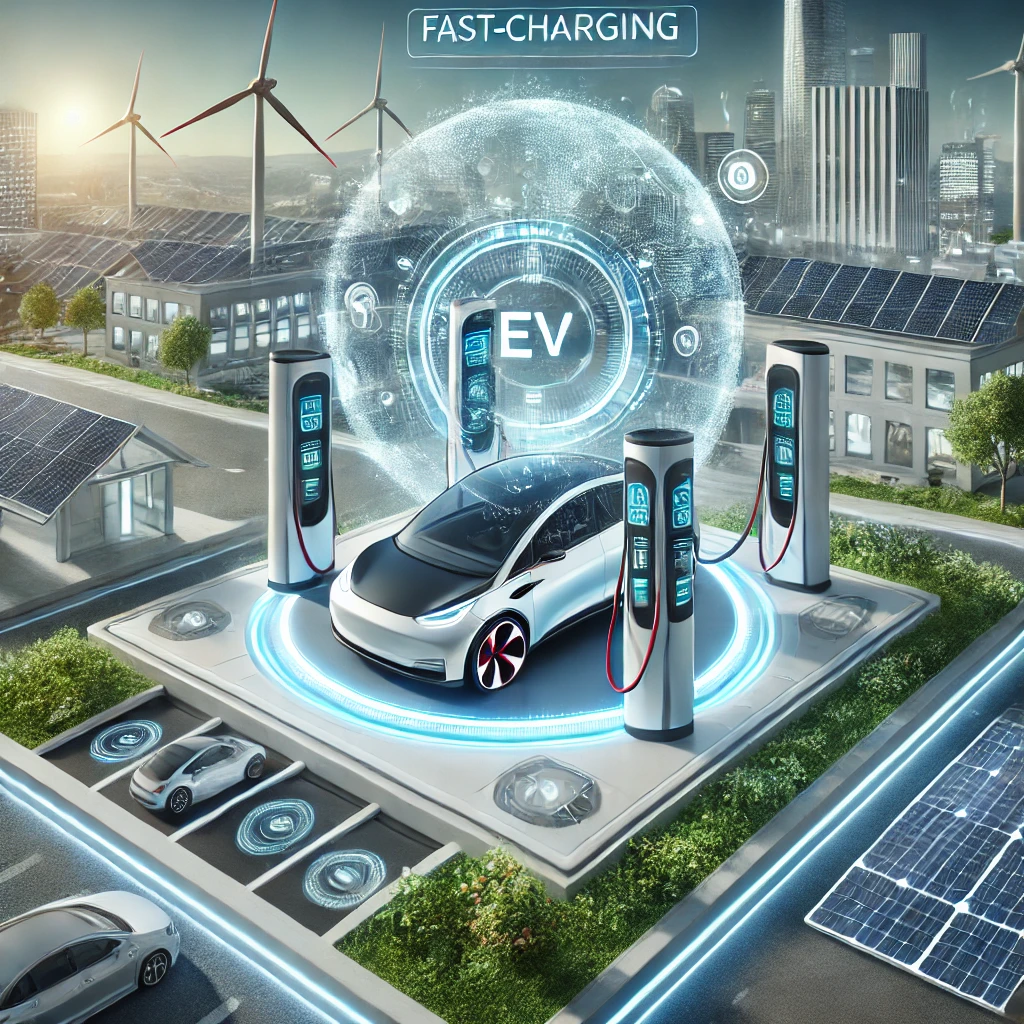
The Need for Speed in EV Charging
Convenience and efficiency have always driven innovation in the automotive industry. In the world of EVs, fast-charging technology is the key to bridging the gap between gasoline-powered cars and their electric counterparts. For many consumers, the idea of waiting several hours for a full charge creates hesitation. However, innovations in ultra-fast charging, combined with infrastructure upgrades, are dismantling these concerns, one kilowatt at a time.
Fast-charging technology focuses on high-powered chargers, which deliver electricity to EV batteries at a significantly accelerated rate. Traditional Level 2 home chargers may take several hours to charge a vehicle fully, but DC fast chargers, often found at public charging stations, can provide up to 80% charge in under 30 minutes. Today, cutting-edge systems are pushing the boundaries even further, with charging times approaching 10-15 minutes for a significant range boost.
Pioneering Technologies Redefining Fast Charging
Major breakthroughs are reshaping the fast-charging landscape. A major leap forward is the introduction of solid-state batteries. These next-generation batteries replace the liquid electrolyte in traditional lithium-ion batteries with a solid material, allowing for faster energy transfer and increased energy density. As a result, EVs with solid-state batteries can be charged at higher speeds without overheating or degrading the battery’s lifespan.
Another exciting development is the integration of ultra-high-power charging stations. Companies are rolling out 350 kW chargers capable of delivering massive amounts of energy in minutes. These chargers are becoming more common across major highways and urban centers, providing drivers with quick and reliable charging options for long trips or daily commutes.
In addition, advancements in battery cooling systems are playing a critical role. Heat is a major challenge when delivering high power quickly. Improved thermal management systems are ensuring that batteries stay cool during charging, which not only boosts safety but also extends battery life.
Fast Charging Meets Smart Technology
Fast-charging innovation isn’t just about speed; it’s also about intelligence. Smart charging systems are being designed to communicate with vehicles, grids, and renewable energy sources. These systems optimize the timing and power of charging sessions to reduce stress on the electrical grid while incorporating sustainable energy sources like solar and wind.
Wireless charging is also gaining traction, with companies testing systems that allow EVs to charge simply by parking over a charging pad. While this technology is still in its infancy, it holds tremendous potential for urban areas, where space and convenience are critical.
Expanding the Infrastructure
A fast-charging breakthrough is only as effective as the infrastructure supporting it. Across the US and Europe, governments and private companies are investing billions in expanding the fast-charging network. Highways are being equipped with ultra-fast charging corridors, allowing seamless EV travel between cities. Urban areas are also seeing rapid deployment of public charging stations in shopping centers, parking lots, and workplaces.
Public-private partnerships are playing a significant role in this transformation. Programs offering subsidies and incentives for businesses to install EV chargers are helping create a robust and accessible charging ecosystem. For example, several automakers are collaborating with energy companies to install ultra-fast chargers along popular routes, ensuring drivers can recharge quickly, no matter where they travel.
Overcoming Challenges for a Brighter Future
Despite the progress, challenges remain. High-speed charging requires substantial power from the grid, and ensuring that these systems operate sustainably is critical. Grid upgrades, investment in renewable energy, and localized energy storage solutions are necessary to support the growing demand for EV charging without increasing carbon emissions.
The affordability of fast-charging stations is another hurdle. While costs are decreasing as technology advances, the initial investment remains high for some businesses and municipalities. However, with EV adoption rates surging, the return on investment is becoming increasingly attractive.
Finally, standardization is essential to ensure that all EVs, regardless of make or model, can utilize fast-charging networks seamlessly. Industry leaders are working together to develop universal standards for chargers and connectors, which will eliminate compatibility issues and simplify the charging experience for drivers.
Charging Into the Future
The future of fast-charging technology is bright and fast. With ongoing innovation, EVs are set to become more convenient and accessible than ever before. For consumers in the US and Europe, the promise of charging in minutes instead of hours will make the transition to electric vehicles more appealing, paving the way for a greener and more sustainable future.
As the EV charging landscape evolves, it’s clear that the days of range anxiety are numbered. With smarter systems, ultra-fast chargers, and advanced batteries, the automotive world is shifting gears toward an era where charging your car will feel as effortless as filling up your gas tank—minus the emissions. So, whether you’re planning a cross-country adventure or just running errands, rest assured that fast-charging technology will keep you moving forward.