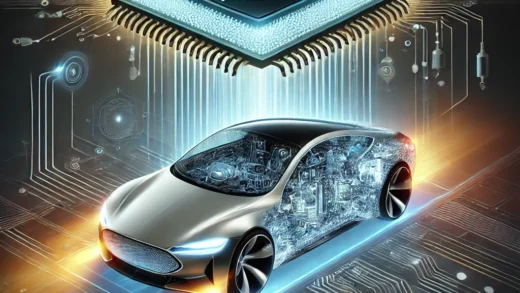
The automotive industry in the United States is undergoing a transformative shift, fueled by the urgent need to combat climate change. In 2024, achieving net-zero carbon emissions in car manufacturing is no longer a distant goal; it’s a priority. With innovative technologies, sustainable practices, and strong commitments from automakers, the next decade promises to redefine how cars are built. Let’s explore what net-zero carbon car manufacturing means and how it’s reshaping the future of the US automotive industry.
What Does Net-Zero Carbon Manufacturing Mean?
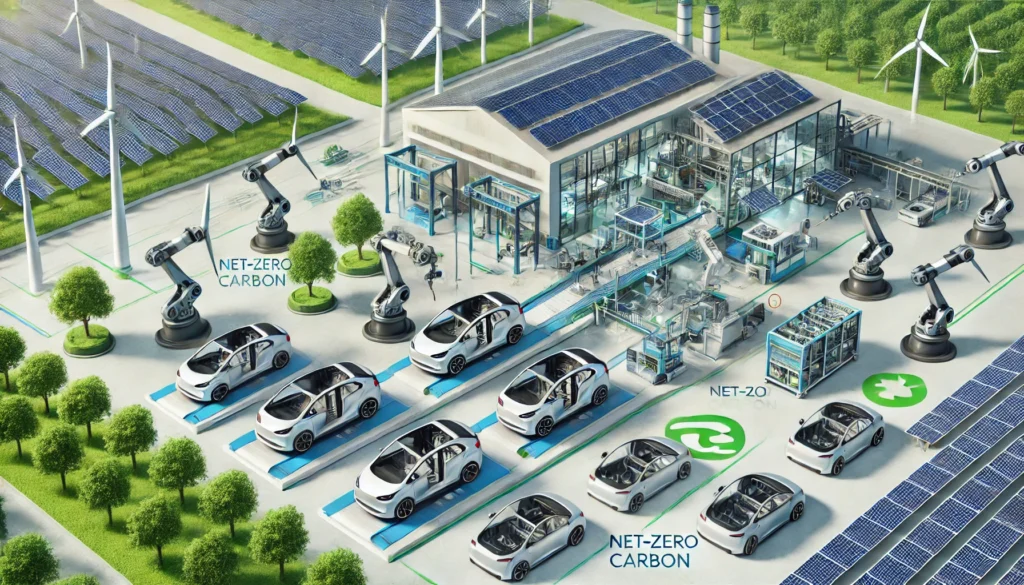
Net-zero carbon manufacturing refers to a production process where the total carbon emissions are effectively neutralized. This is achieved by reducing emissions through sustainable practices and offsetting any remaining emissions with measures such as carbon capture, renewable energy, or reforestation projects.
For the automotive industry, this involves every stage of production, from sourcing raw materials to assembling vehicles and managing waste. The goal is to ensure that the environmental impact of manufacturing is minimized, aligning with global efforts to combat climate change and promote sustainability.
The US Leads the Drive Toward Sustainability
The US automotive industry is at the forefront of the net-zero movement, with automakers making bold commitments to transform their operations. Companies like General Motors, Ford, and Tesla are investing heavily in sustainable manufacturing technologies and renewable energy. These efforts align with federal policies and incentives designed to promote green manufacturing and reduce emissions across industries.
The US government’s support for clean energy initiatives has been instrumental in driving this shift. Tax credits, grants, and infrastructure investments are encouraging automakers to adopt renewable energy, electrify their supply chains, and innovate in low-carbon production methods. These measures are helping the US position itself as a global leader in sustainable car manufacturing.
Innovative Technologies Powering Net-Zero Manufacturing
Achieving net-zero carbon emissions in car manufacturing requires a combination of cutting-edge technologies and creative solutions. One of the most significant innovations is the use of renewable energy to power manufacturing plants. Solar, wind, and hydroelectric power are replacing fossil fuels, drastically reducing the carbon footprint of production facilities.
Lightweight materials like aluminum and advanced composites are being incorporated into car designs to improve energy efficiency and reduce emissions during production. Recycling and reusing materials have also become central to the manufacturing process. For instance, automakers are repurposing steel, aluminum, and even plastics to minimize waste and reduce reliance on virgin materials.
Another breakthrough is the adoption of green hydrogen for industrial processes, such as powering furnaces and other high-energy operations. Hydrogen, produced using renewable energy, offers a clean alternative to fossil fuels, further reducing emissions in key stages of car production.
Circular Economy Principles in Car Manufacturing
Net-zero carbon car manufacturing goes hand-in-hand with the principles of a circular economy. This means designing vehicles and production processes that minimize waste and maximize the use of materials. Automakers are now focusing on creating vehicles that can be easily disassembled, with parts and materials reused or recycled at the end of their lifecycle.
In the US, companies are establishing partnerships with suppliers and recyclers to ensure a seamless flow of materials in a closed-loop system. This not only reduces emissions but also lowers costs and conserves resources, creating a win-win scenario for manufacturers and the environment.
Challenges and the Road Ahead
While the progress toward net-zero carbon manufacturing is inspiring, challenges remain. Transitioning to sustainable processes requires significant upfront investment in technology, infrastructure, and training. Smaller manufacturers may struggle to keep pace with larger companies that have the resources to adopt these changes quickly.
Moreover, ensuring a steady supply of renewable energy to power production facilities can be challenging, especially in regions where green energy infrastructure is still developing. Collaboration between automakers, energy providers, and policymakers will be essential to address these obstacles.
Despite these challenges, the future is bright. As consumer demand for sustainable products grows, automakers are finding new ways to innovate and accelerate their transition to net-zero carbon production. The next decade will likely see even greater collaboration, technological advancements, and policy support to make net-zero manufacturing the industry standard.
The Impact on Consumers and the Planet
Net-zero carbon car manufacturing is not just about meeting environmental goals; it’s about creating a better future for everyone. For consumers, it means driving vehicles that are not only energy-efficient but also built with a commitment to sustainability. It also means contributing to a cleaner, greener planet where every aspect of the automotive industry is aligned with the needs of the environment.
As the US automotive industry continues to lead in sustainability, the next decade will mark a turning point in how cars are made and the impact they have on the world. By embracing net-zero carbon manufacturing processes, automakers are driving change—not just on the roads but also for the future of our planet.