In 2025, the way we think about traveling by car is undergoing a radical transformation. Across the US and Europe, self-driving cars are no longer just test prototypes; they are moving steadily toward mainstream adoption. While much of the attention has focused on the autonomous driving technology itself, there is another exciting revolution happening inside the cabin. The in-cabin experience is emerging as a key differentiator, turning daily commutes into opportunities for work, entertainment, and relaxation.
A New Definition of Mobility
The shift to autonomous vehicles means that travel time no longer needs to be spent staring at the road. As self-driving cars navigate traffic and follow precise routes, passengers can shift their focus to other activities. This opens up possibilities that were hard to imagine just a few years ago. In the US, where drivers often face long commutes, and in Europe, where diverse environments call for adaptable vehicles, the in-cabin experience is evolving into something versatile and engaging.
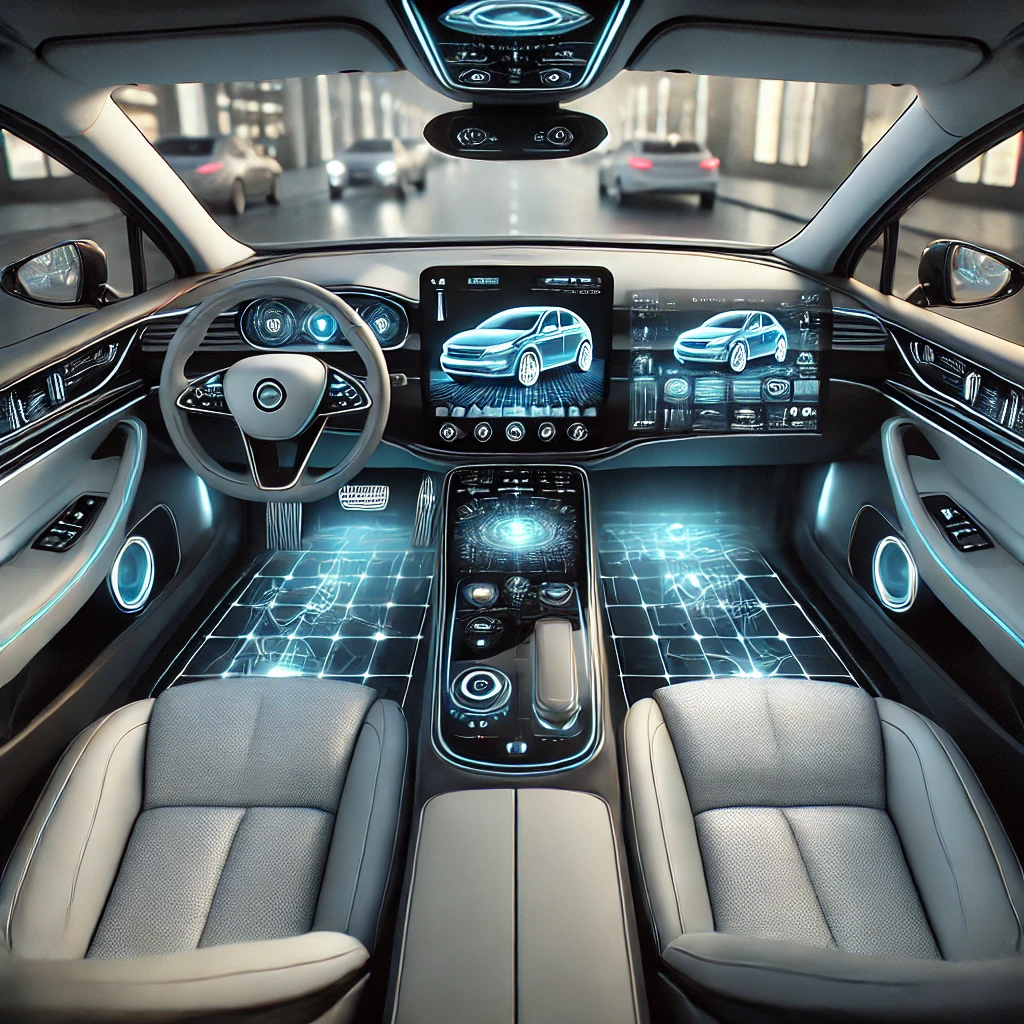
Cars are transforming into small, mobile living spaces. Comfortable seating arrangements, smart displays, and adaptable lighting create an atmosphere that is less like a traditional vehicle and more like a lounge or a quiet office. Passengers can recline their seats, enjoy immersive audio, and explore a new world of digital services. The result is that time in the car becomes an extension of personal or professional life, rather than a gap between destinations.
Personalization and Comfort
Personalization is at the heart of the in-cabin experience. Just as your smartphone adapts to your preferences, so will your self-driving car. The vehicle can recognize each passenger, adjusting seat positions, temperature, and even preferred entertainment options to match individual tastes. This tailored approach makes long drives more comfortable and productive, whether cruising through California highways or navigating narrow European streets.
Automakers and tech companies are working closely together to bring these customized solutions to life. Biometric sensors, for example, can detect stress levels and suggest calming playlists or adjust lighting to reduce fatigue. Seats designed to offer ergonomic support can learn from previous trips and remember how a passenger prefers to sit. The focus is on making every journey feel like a personal retreat, no matter the time of day or length of travel.
Connectivity and Entertainment
High-speed connectivity is central to the in-cabin experience. In 2025, most self-driving cars in the US and Europe will be equipped with reliable internet access. Passengers can seamlessly stream movies, join virtual meetings, or play online games. This constant digital connection makes it easier for professionals to use travel time efficiently, students to study on the go, or families to stay entertained during long road trips.
Entertainment options extend beyond screens and speakers. Virtual reality and augmented reality systems are becoming more accessible, allowing passengers to enjoy immersive storytelling, explore interactive navigation displays, or even practice language skills before reaching a new destination. The boundaries between travel and leisure blur, making every ride a chance to discover something new.
Health and Wellness on the Move
As self-driving cars become more refined, wellness and health-oriented features will play an essential role in the in-cabin experience. Imagine seats equipped with gentle massagers, air filtration systems that maintain perfect cabin air quality, and ambient music that helps reduce stress. The car can become a space for meditation, productivity bursts, or even light exercise with the help of guided stretches displayed on interior screens.
In Europe’s bustling cities, where frequent stops and starts can make driving stressful, these wellness features create a calmer environment. In the US, where long highways often lead to fatigue, intelligent systems can help passengers stay relaxed and alert. These health-focused enhancements make travel not just more convenient, but genuinely restorative.
Adapting to Different Lifestyles
The in-cabin experience is not limited to a single type of traveler. Families can enjoy collaborative games that turn a road trip into a shared adventure. Solo business travelers can appreciate quiet workspaces with noise-canceling interiors, while couples can transform the cabin into a cozy retreat during weekend getaways.
As cultural differences influence travel preferences in the US and Europe, the in-cabin environment can also adapt. In some regions, privacy might be a priority, while in others, open-plan seating encourages social interaction among passengers. This adaptability ensures that self-driving cars can cater to everyone’s needs, regardless of background or lifestyle.
A Look Ahead
The automotive industry is moving toward a future where what happens inside the car is just as important as what happens on the road outside. As self-driving technology continues to advance, the in-cabin experience will become a key factor in choosing one vehicle over another. With personalization, connectivity, comfort, and wellness at the forefront, passengers can look forward to a world where travel time is never wasted.
By 2025, self-driving cars will not just be about getting from point A to point B; they will be about enjoying the journey itself. Whether you are commuting to work, exploring a new city, or taking a weekend road trip, the car’s interior will provide an environment that seamlessly blends productivity, entertainment, and relaxation. The in-cabin experience inside self-driving cars promises to redefine what we expect from mobility, making every ride an opportunity to engage, unwind, and discover.