

As electric vehicles (EVs) continue to gain traction in the United States, the conversation around sustainability doesn’t stop at the charging station. One of the most exciting developments in 2024 is the rise of recycling EV batteries into home power storage solutions. This innovative approach is not just about extending the life of EV batteries; it’s also reshaping how we think about energy storage and sustainability in our homes.
Why EV Battery Recycling Matters
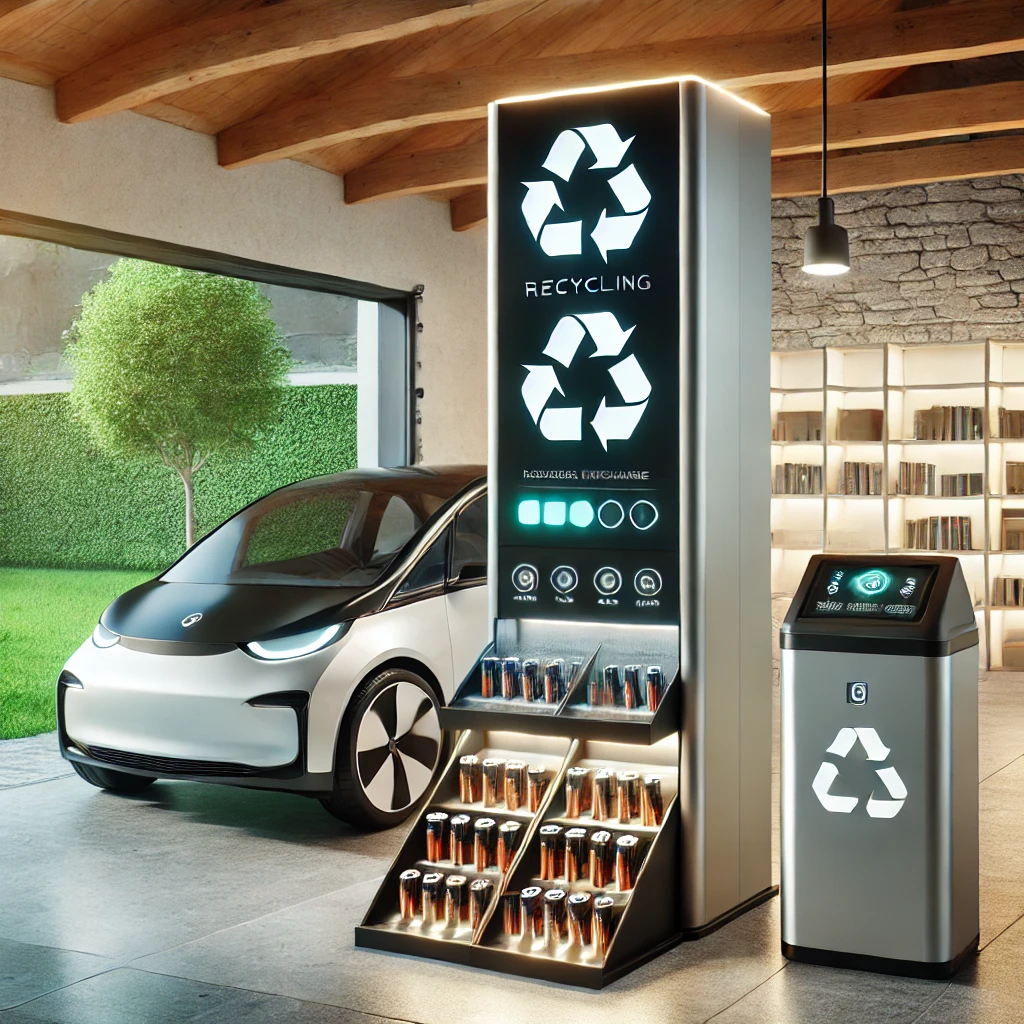
EV batteries are designed to last for years, but like all batteries, they eventually lose efficiency. Once an EV battery’s capacity drops below about 70–80%, it may no longer meet the demands of powering a car. However, these batteries still have significant storage potential, making them ideal for secondary use. Instead of sending used batteries to landfills or costly recycling facilities, repurposing them into home energy storage systems offers a practical, eco-friendly solution.
This approach aligns perfectly with the principles of a circular economy, which emphasizes reducing waste and maximizing the use of resources. By giving EV batteries a second life, manufacturers, homeowners, and energy providers can contribute to a more sustainable future while addressing the growing demand for residential energy storage.
How EV Batteries Power Homes
Recycling EV batteries into home power storage solutions is a straightforward yet transformative concept. These batteries, often repackaged into modular units, can store electricity from renewable energy sources such as solar panels. Homeowners can use this stored energy during peak demand hours or in case of a power outage, reducing their reliance on the grid and saving on electricity costs.
The ability to store energy at home is particularly appealing in the US, where extreme weather events and an aging power grid have made blackouts a common concern. A repurposed EV battery can provide reliable backup power, keeping essential appliances running during outages. Additionally, it allows homeowners to make the most of their solar energy systems, storing excess power generated during the day for use at night.
The Benefits for US Homeowners
For American homeowners, adopting recycled EV batteries as home energy storage solutions brings numerous advantages. First, it offers a more affordable entry point into the home battery market. Repurposed batteries are generally less expensive than brand-new storage systems, making them an attractive option for budget-conscious consumers.
Second, these systems contribute to energy independence. By storing renewable energy on-site, homeowners can reduce their reliance on utility companies and even sell excess power back to the grid in states with net metering policies. This not only leads to cost savings but also supports the transition to a cleaner, decentralized energy system.
Moreover, recycled EV batteries play a crucial role in reducing environmental impact. By repurposing batteries that would otherwise require energy-intensive recycling processes or disposal, homeowners can reduce e-waste and conserve resources. This aligns with the growing demand for sustainable living solutions in the US, where eco-conscious consumers are seeking ways to minimize their carbon footprint.
Leading the Charge: US Innovations and Initiatives
The US is at the forefront of integrating recycled EV batteries into the home energy market. Major automakers, including Tesla, Nissan, and General Motors, are collaborating with energy storage companies to create scalable solutions for residential use. These partnerships are driving innovation, making repurposed battery systems more efficient, durable, and user-friendly.
Additionally, federal and state incentives are encouraging the adoption of home energy storage systems. Tax credits for renewable energy installations, combined with incentives for using sustainable materials, are making recycled EV batteries an even more attractive option for homeowners. States like California and New York, known for their progressive energy policies, are leading the charge by funding pilot programs and expanding grid infrastructure to accommodate these solutions.
Challenges and the Path Forward
While the potential of recycling EV batteries is immense, there are challenges to address. The logistics of collecting and repurposing used batteries require coordination between automakers, recyclers, and energy providers. Ensuring that repurposed batteries meet safety and performance standards is also essential, especially when they are integrated into residential settings.
However, advancements in battery technology and increased investment in recycling infrastructure are paving the way for widespread adoption. The growing demand for home energy storage, coupled with the increasing availability of retired EV batteries, suggests that this innovative approach is not just a trend but a long-term solution.
A Sustainable Vision for the Future
Recycling EV batteries into home power storage solutions is a win-win for homeowners and the environment. It extends the life of valuable materials, reduces waste, and empowers Americans to take control of their energy needs. As we move toward a greener, more sustainable future, this innovative practice is poised to play a vital role in shaping how we power our homes.
By turning yesterday’s EV batteries into tomorrow’s home energy systems, the US is driving progress in sustainability and energy resilience. For homeowners looking to save money, reduce their environmental impact, and prepare for the unexpected, recycled EV batteries offer a powerful solution with limitless potential.

