As the push for sustainable transportation intensifies, green hydrogen emerges as a game-changer for long-distance freight trucking in the United States. With the logistics sector striving to reduce its carbon footprint, green hydrogen offers a promising solution that combines efficiency with environmental responsibility. Let’s delve into how green hydrogen is revolutionizing freight trucks and what this means for the future of American transportation.
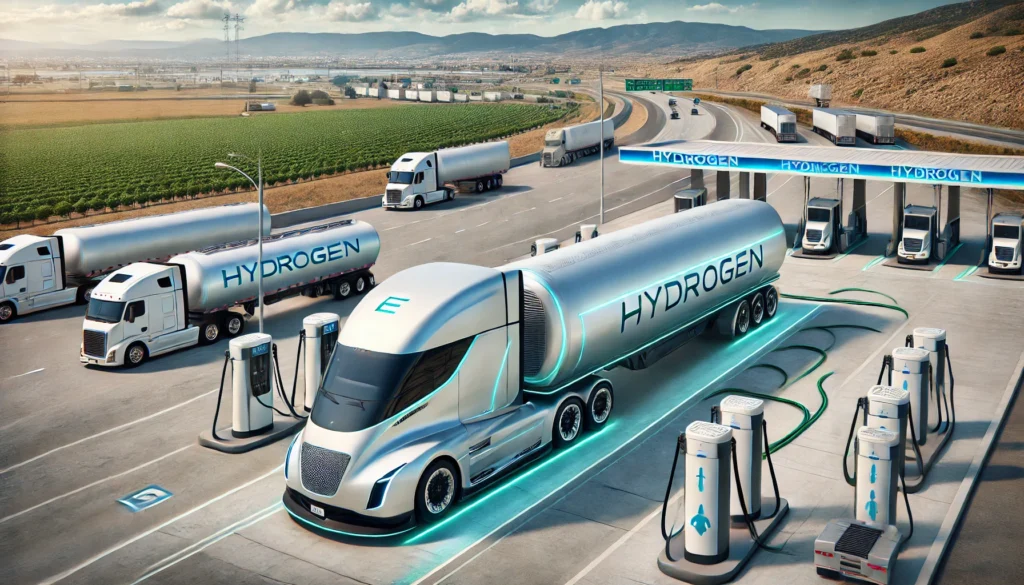
What is Green Hydrogen?
Green hydrogen is produced using renewable energy sources like wind or solar power to electrolyze water, separating it into hydrogen and oxygen without emitting greenhouse gases. Unlike traditional hydrogen production, which relies on fossil fuels and contributes to pollution, green hydrogen stands out as a clean and sustainable energy carrier. This eco-friendly fuel is gaining traction as industries seek ways to decarbonize their operations and embrace greener alternatives.
The Rise of Hydrogen Fuel Cell Trucks
Hydrogen fuel cell technology is at the heart of green hydrogen’s application in long-distance freight trucking. These trucks use hydrogen to generate electricity through a chemical reaction in the fuel cell, powering the vehicle’s electric motors. The result is zero tailpipe emissions, making hydrogen fuel cell trucks an attractive option for companies committed to sustainability.
Major manufacturers in the US, such as Toyota and Nikola, are investing heavily in hydrogen fuel cell technology, developing trucks that can travel longer distances with faster refueling times compared to battery-electric vehicles. This makes them particularly suited for the demanding schedules of long-haul freight operations, where downtime can significantly impact efficiency and profitability.
Benefits of Green Hydrogen for Freight Trucks
Green hydrogen offers several advantages that make it ideal for long-distance trucking. First and foremost, it provides a high energy density, allowing trucks to carry more fuel and travel further without frequent stops for refueling. This is crucial for interstate logistics, where long stretches between refueling stations can pose challenges.
Additionally, hydrogen fuel cell trucks have a shorter refueling time compared to electric vehicles, often taking just 15 minutes to replenish the tank. This rapid refueling capability ensures that freight operations remain on schedule, minimizing delays and enhancing overall productivity.
From an environmental perspective, green hydrogen significantly reduces greenhouse gas emissions. By replacing diesel with hydrogen, the freight industry can cut its carbon footprint, contributing to the US’s broader goals of combating climate change and achieving carbon neutrality by 2050.
The US Leading the Charge
The United States is positioning itself as a leader in the adoption of green hydrogen for freight transportation. Federal and state governments are providing incentives and funding to support the development of hydrogen infrastructure, including refueling stations along major highways and investment in research and development.
Companies like Plug Power and Nikola are spearheading initiatives to build extensive hydrogen networks, ensuring that fuel cell trucks have the necessary support to operate efficiently across the country. Additionally, partnerships between automakers, energy providers, and logistics companies are accelerating the deployment of hydrogen-powered fleets, paving the way for widespread adoption.
Overcoming Challenges
Despite its promise, the widespread adoption of green hydrogen in long-distance freight trucking faces several challenges. One of the main hurdles is the current lack of hydrogen refueling infrastructure. Building a comprehensive network of stations requires significant investment and coordination between public and private sectors.
Another challenge is the production cost of green hydrogen, which remains higher compared to traditional fuels. However, advancements in renewable energy technologies and economies of scale are expected to drive down costs, making green hydrogen more competitive in the near future.
Additionally, there is a need for continued innovation in fuel cell technology to enhance the efficiency and durability of hydrogen-powered trucks. Ongoing research and development efforts are crucial to overcoming these obstacles and ensuring that green hydrogen can fully realize its potential in the freight industry.
Looking Ahead: A Sustainable Future
The future of long-distance freight trucking in the US looks promising with green hydrogen at the helm. As technology advances and infrastructure expands, hydrogen fuel cell trucks are set to become a mainstay in the logistics sector. This transition not only supports environmental goals but also opens up new opportunities for economic growth and job creation within the green energy sector.
Consumers and businesses alike are increasingly valuing sustainability, and the adoption of green hydrogen in freight trucking aligns with these values. By embracing this clean energy source, the US can lead the way in creating a more sustainable and resilient transportation system for generations to come.
Conclusion
Green hydrogen is poised to transform long-distance freight trucking in the United States, offering a sustainable and efficient alternative to traditional fuels. With its high energy density, quick refueling times, and zero emissions, hydrogen fuel cell trucks present a viable solution for reducing the carbon footprint of the logistics industry. As the US continues to invest in hydrogen infrastructure and technology, the vision of a greener, cleaner transportation future becomes increasingly attainable. Embracing green hydrogen not only benefits the environment but also drives innovation and economic growth, ensuring that the freight sector remains robust and competitive in the years ahead.