As electric vehicles (EVs) continue to gain popularity in the U.S. in 2024, many drivers are curious about how everyday features like heating and air conditioning affect battery life. The question often arises: does using the car heater or AC significantly reduce the electric charge? Understanding how climate control systems impact your EV’s range can help you make informed decisions for optimal energy management.
The Basics of EV Battery Efficiency
Electric vehicles operate differently from traditional gasoline cars. While gas-powered cars generate heat through engine combustion, EVs use electricity stored in batteries to power heating and cooling systems. This means that using the heater or AC directly draws energy from the battery, which can influence how far you can drive before needing a recharge.
Generally, the impact of these systems on your battery charge varies based on several factors, including the vehicle’s design, the efficiency of its climate control systems, and external temperature conditions. So, how do these elements play a role in your EV’s performance?
How Heating and Cooling Impact Battery Range
When it comes to using the car heater, it’s important to note that heating systems in EVs typically consume more energy than cooling systems. During colder months, the heater can draw a significant amount of power, especially if you crank it up to stay warm. Some estimates suggest that using the heater can reduce your range by 20% to 40% depending on the outside temperature and how efficiently the vehicle manages heat distribution.
On the other hand, air conditioning can also affect battery life but usually to a lesser extent than heating. While running the AC may reduce your range, it typically does not have as dramatic an impact as heating does in very cold weather. Nevertheless, in warmer conditions, excessive use of the AC can also take a toll, possibly reducing your range by about 10% to 20%.
Efficient Climate Control Practices
To minimize the effects of heating and cooling on your EV’s battery charge, there are several practices you can adopt. First and foremost, utilizing the vehicle’s energy-saving features can significantly help. Many modern EVs come with advanced climate control systems designed to optimize energy use.
Using Eco mode, if available, can enhance efficiency. This mode often limits power to non-essential functions and optimizes heating and cooling settings. If your car supports Apple CarPlay setup, you can easily access energy-efficient navigation and climate control options through CarPlay compatible cars, allowing you to stay comfortable while managing your charge.
Preconditioning: A Smart Strategy
One effective strategy for managing energy use is preconditioning. This involves heating or cooling your vehicle while it is still plugged into a charging station. By using grid power instead of battery power, you can enjoy a comfortable cabin temperature without impacting your range.
Many EVs allow you to set preconditioning schedules through their mobile apps, letting you program the car to be ready for your departure while it’s still charging. This feature not only enhances your comfort but also ensures that your battery retains as much charge as possible for your journey.
Use Alternative Heating Options
When it comes to winter driving, using seat warmers and heated steering wheels can be an effective way to stay warm without significantly draining your battery. These options consume less energy than using the entire cabin heater and can keep you comfortable during chilly drives.
Similarly, in hot weather, consider using ventilation or opening the windows instead of cranking up the AC. EVs are often designed to be aerodynamically efficient, so rolling down the windows occasionally can help cool down the car without relying heavily on the AC.
Monitoring Your Charge and Usage
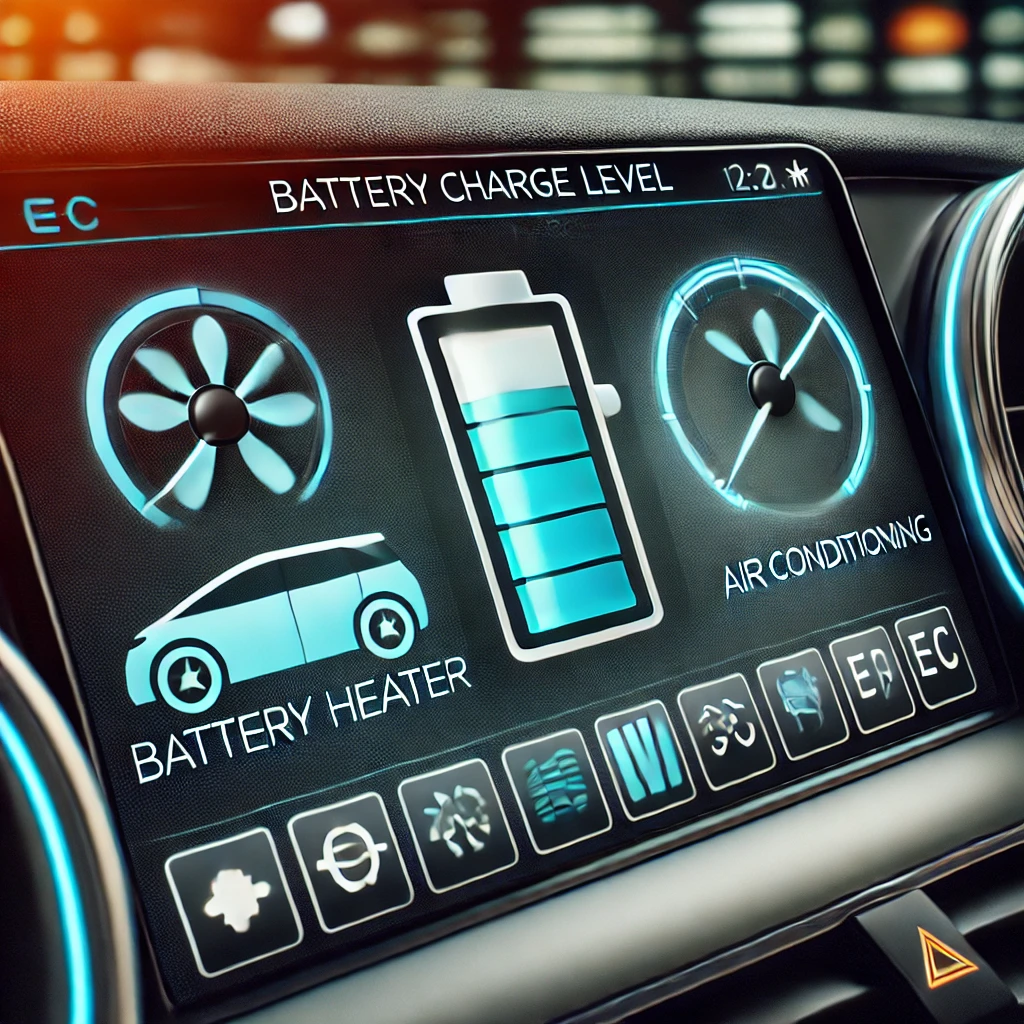
Keeping an eye on your EV’s battery management system can help you understand how heating and cooling impact your range. Many modern vehicles come with a dashboard display or mobile app that provides real-time information about energy consumption. This data can help you make informed decisions about when to use climate control features.
By utilizing the display options and features available in CarPlay compatible cars, you can view your battery status alongside climate control usage, allowing you to adjust your habits accordingly.
Conclusion: Staying Comfortable and Efficient
In summary, while using the car heater or air conditioning in your EV can reduce battery charge, understanding how to manage these systems can make a significant difference in your overall range. By implementing energy-efficient practices, utilizing preconditioning, and monitoring your vehicle’s energy consumption, you can maintain a comfortable driving experience without drastically affecting your battery life.
As electric vehicles continue to evolve in 2024, staying informed about how your choices impact range is essential. With the right strategies, you can enjoy the benefits of your EV while preserving its charge, ensuring you get the most out of every drive. Whether you’re using Apple CarPlay features or simply adjusting your climate settings, being mindful of energy consumption will enhance your journey toward a sustainable driving future.