

As electric vehicles (EVs) continue to grow in popularity across the U.S. in 2024, many drivers are becoming more curious about how seasonal changes affect their car’s mileage. If you’re an EV owner, you may have noticed that your car seems to perform differently in the winter than it does in the summer. Understanding these variations can help you plan your trips better and optimize your vehicle’s efficiency throughout the year.
The Basics of EV Mileage
Mileage, or range, refers to how far an electric vehicle can travel on a single charge. Unlike traditional gasoline-powered vehicles, which rely on fuel combustion, EVs utilize battery power, making them sensitive to a variety of external factors. Among these factors, temperature plays a significant role in determining how efficiently your car can operate.
In the U.S., temperatures can fluctuate drastically between winter and summer, leading to noticeable differences in EV mileage. As you learn more about these seasonal changes, you’ll be better equipped to manage your electric vehicle and make informed decisions.
Winter Weather and Its Effects on Mileage
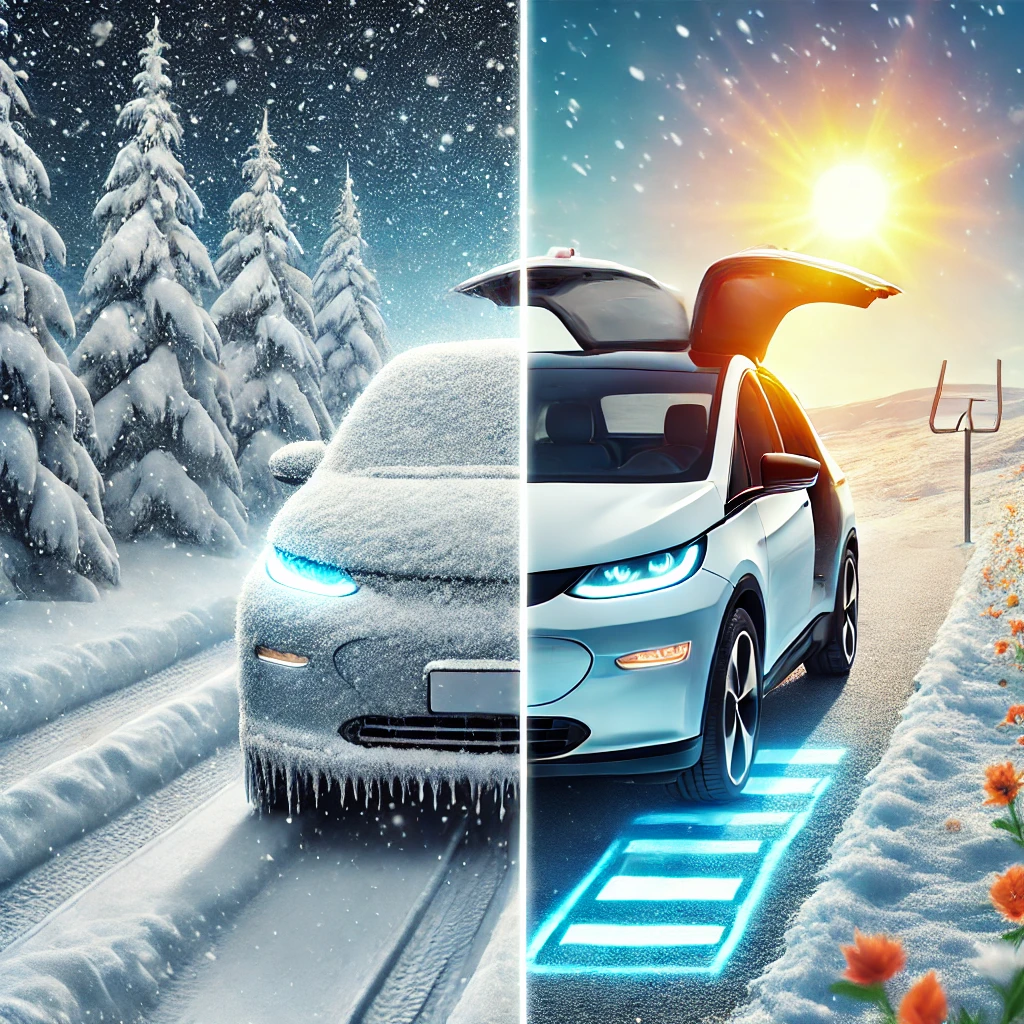
When winter rolls around, many EV drivers experience a dip in mileage. This reduction in range can primarily be attributed to three key factors: battery performance, increased energy use for heating, and tire efficiency.
First, EV batteries are less efficient in cold temperatures. As the temperature drops, the chemical reactions within the battery slow down, resulting in decreased performance. Studies have shown that EV range can decrease by 20% or more in very cold conditions.
Secondly, using the heater during winter drives can significantly drain your battery. Heating an EV cabin consumes energy directly from the battery, reducing the overall mileage. For instance, using the cabin heater can take away as much as 40% of your available range, depending on the car model and outside temperature.
Lastly, cold weather can also affect tire performance. Tire pressure drops in lower temperatures, which can lead to increased rolling resistance. Lower tire pressure means that your EV has to work harder to move, thus consuming more energy.
Summer Heat and Its Impact on Mileage
On the flip side, summer presents its own set of challenges. While warmer temperatures generally improve battery performance, there are still factors that can lead to a decrease in mileage. High temperatures can accelerate battery degradation over time, which is something to keep in mind for the long-term health of your EV.
During hot months, many drivers find themselves using the air conditioning more frequently. Like the heater in winter, running the AC can also reduce your range, albeit usually to a lesser extent than heating does in winter. The extent to which your AC affects mileage depends on how often you use it and how hot it is outside.
Another factor to consider is that summer often brings road trips and longer journeys. While the extra mileage may not be solely due to temperature, more frequent trips during the summer months may lead to an increased perception of reduced mileage.
Strategies to Optimize Mileage in Different Seasons
To make the most out of your EV’s mileage, adapting your driving habits to seasonal changes is essential. In winter, consider preconditioning your vehicle while it’s still plugged in. This allows you to warm up the cabin without drawing energy from the battery. Many modern EVs come equipped with features that integrate with Apple CarPlay setup, allowing you to access your car’s functions easily and set up preconditioning schedules.
In summer, make use of ventilation or window shades to keep the cabin cool instead of relying solely on air conditioning. If your EV has CarPlay features, you can use compatible apps to monitor energy consumption and plan your trips accordingly, ensuring you take the most efficient routes.
Regular maintenance also plays a crucial role in optimizing mileage across seasons. Keeping your tires properly inflated and ensuring that your vehicle is in good condition can make a noticeable difference in energy consumption.
Conclusion: Seasonal Awareness for EV Drivers
In conclusion, understanding how winter and summer conditions affect your EV mileage is essential for making the most of your driving experience. Winter tends to bring about significant challenges, including reduced battery efficiency and increased energy consumption from heating. Conversely, while summer generally supports better battery performance, reliance on air conditioning can still impact range.
As you navigate these seasonal changes, remember that tools like Apple CarPlay setup can help you manage your vehicle more effectively. By monitoring your driving habits and being mindful of the weather’s impact on your electric vehicle, you can enjoy a more efficient and enjoyable driving experience throughout the year. Adapting to the seasons will ensure that you maximize the capabilities of your electric vehicle, making it a more reliable partner on your journeys.


