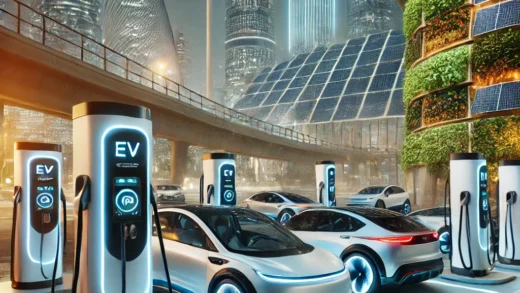
Electric vehicles are becoming the center of the global automotive industry, and their rise depends on more than great design or long driving range. Behind every EV is a complex supply chain involving semiconductors, battery materials, electric motors, and specialized components — many of which come from, or pass through, China. As the US and Europe push to expand domestic EV production, the security and resilience of these supply chains have become critical topics for automakers and investors alike. For companies such as Tesla, BYD, NIO, and other major EV players, supply-chain exposure can influence production stability, pricing, and even stock performance.
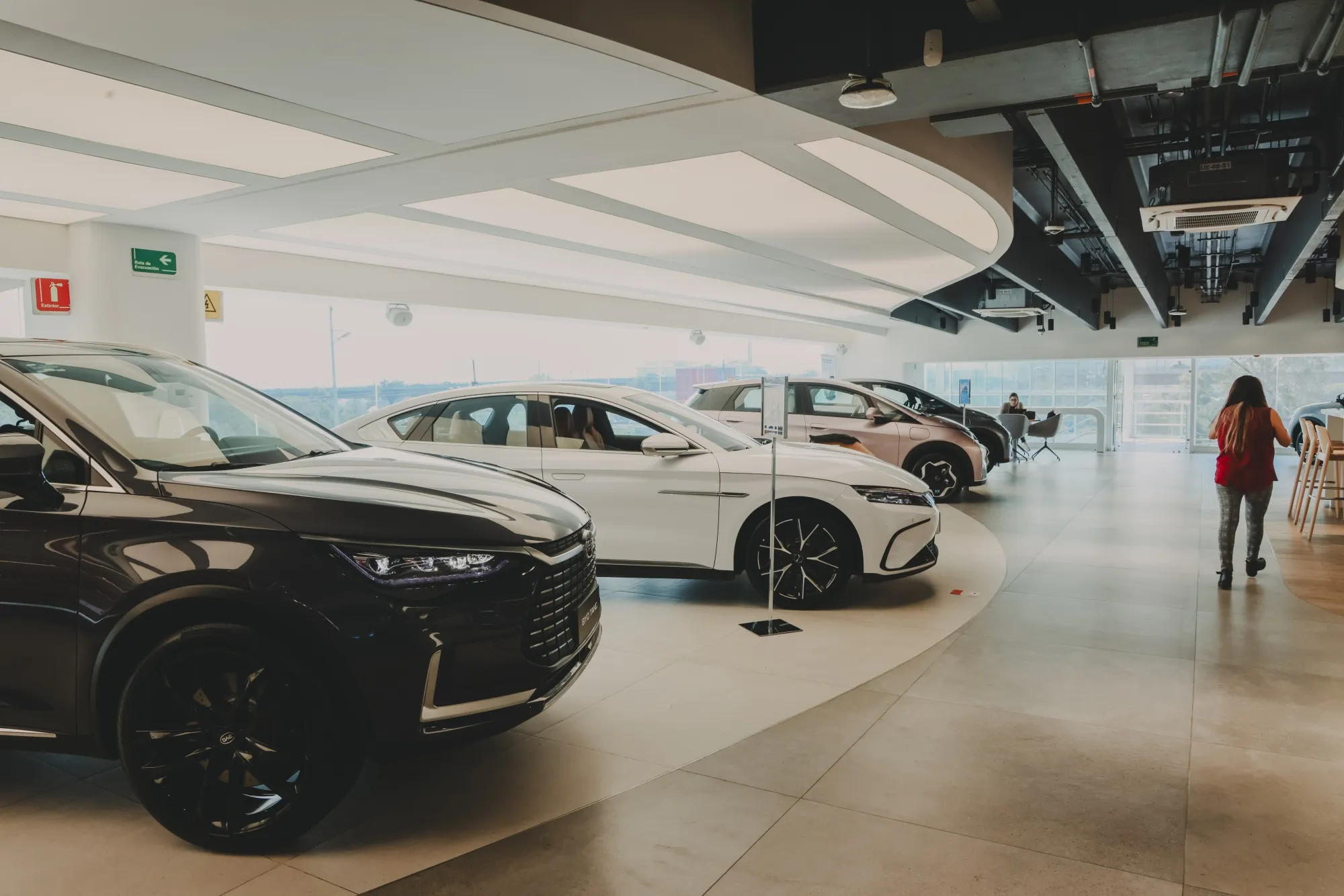
Why China Plays a Central Role in the EV Supply Chain
China’s dominance in the EV supply chain didn’t happen overnight. Decades of investment in manufacturing, mining partnerships, material refining, and battery technology allowed China to build the world’s most complete EV ecosystem. Everything from lithium and graphite processing to cathode manufacturing and battery cell assembly is deeply concentrated in China. The country also leads global production of electric motors, power electronics, and other essential EV parts.
This concentration brings efficiency and scale — which helps keep battery costs competitive — but it also creates vulnerability. Automakers in the US and EU still rely on Chinese suppliers for many components, even when final vehicle assembly occurs elsewhere. Any disruption, whether economic or geopolitical, can impact availability and pricing.
For Chinese EV makers like BYD and NIO, this ecosystem provides a home advantage. With vertically integrated manufacturing and local supply, they benefit from lower costs and streamlined logistics. For global players like Tesla, a large portion of its battery supply chain remains tied to China, even though the company is expanding production in North America and Europe.
Chips: The Weak Point That Exposed the Industry
The global semiconductor shortage revealed just how fragile automotive supply chains can be. EVs depend on chips for nearly everything: battery management systems, motor control, infotainment, advanced driver-assistance systems, sensors, and connectivity. When supply tightened, production slowed across the entire automotive sector.
Although EV makers worked to redesign components and secure alternate suppliers, many chips still originate from factories in Asia — including China. As geopolitical tensions rise, the risk of new supply disruptions increases. For automakers, securing stable access to semiconductors has become a top priority, with many pursuing long-term contracts or exploring onshore chip production.
Battery Cells: The Heart of the EV Supply Chain
Batteries represent the single largest cost component in an EV. They also carry the greatest supply-chain risk because they rely on materials like lithium, nickel, cobalt, manganese, and graphite. China leads in processing and refining the majority of these minerals, even if they are mined in other regions.
For Tesla, BYD, and NIO, battery strategy plays a major role in competitiveness. Tesla has diversified by building new battery facilities in the US and Germany, while BYD leads the world in LFP (lithium iron phosphate) battery production thanks to its vertically integrated model. NIO relies heavily on partnerships with Chinese suppliers for its battery swap technology.
US and European automakers are rapidly investing in local gigafactories, but scaling domestic battery cell production takes time. Until then, China’s influence remains strong.
How Automakers Are Responding
The EV industry recognizes that supply-chain risk is now a business risk. In response, automakers are pursuing several strategies:
Vertical integration
Companies like BYD and Tesla are bringing more production in-house — from battery cells to software — to reduce reliance on external suppliers. Tesla continues to invest in its 4680 battery production and energy storage systems, while BYD produces almost everything internally, from cells to semiconductors.
Supplier diversification
Automakers are sourcing materials from countries like Australia, Canada, and African nations to reduce dependence on a single region. Some are exploring new battery chemistries that require fewer constrained materials.
Regional manufacturing
The US and Europe are pushing for domestic manufacturing of batteries and EV components through subsidies, energy policies, and trade incentives. Companies like Northvolt, CATL (in partnership with European firms), and LG Energy Solution are building large facilities outside China.
Recycling and circular supply chains
Battery recycling is becoming a strategic priority. As used batteries become available, recycled materials can reduce pressure on mining and improve long-term supply stability.
These measures won’t eliminate global interdependence, but they help distribute risk and improve resilience.
What It Means for EV Investors
For investors evaluating Tesla, BYD, NIO, Rivian, or Volkswagen, supply-chain exposure is becoming a major factor in assessing long-term stability. Companies deeply tied to Chinese suppliers may enjoy cost advantages but also face higher geopolitical risk. Meanwhile, companies investing heavily in domestic supply chains may gain resilience but incur higher short-term production costs.
A balanced strategy — diversified suppliers, regional production, and long-term contracts — tends to signal strong risk management.
The Road Ahead: A More Distributed EV Supply Chain
As EV demand grows, the global supply chain will continue to evolve. The US and EU aim to reduce dependency on China, while China continues to innovate and expand its leadership in battery technology. Automakers that adapt quickly, secure stable supply lines, and invest in strategic partnerships will be best positioned to thrive.
Ultimately, the future of electric vehicles depends as much on stable supply chains as on innovation. For Tesla, BYD, NIO, and all major EV brands, managing the journey from chips to cells will determine who leads the next chapter of the global EV race.