

Regenerative braking has become one of the defining features of modern electric vehicles. Beyond its efficiency benefits, it shapes how an EV feels on the road and how drivers interact with the accelerator and brake pedals. As electric mobility grows across the US and Europe, automakers are discovering that regen is more than a technical function — it’s an opportunity to build a brand signature. Tesla, BMW, and Mercedes are three automakers leading the way in crafting unique regenerative-braking profiles that suit different driving environments, from dense city streets to the high-speed stretches of the Autobahn.
Understanding Why Regen Matters
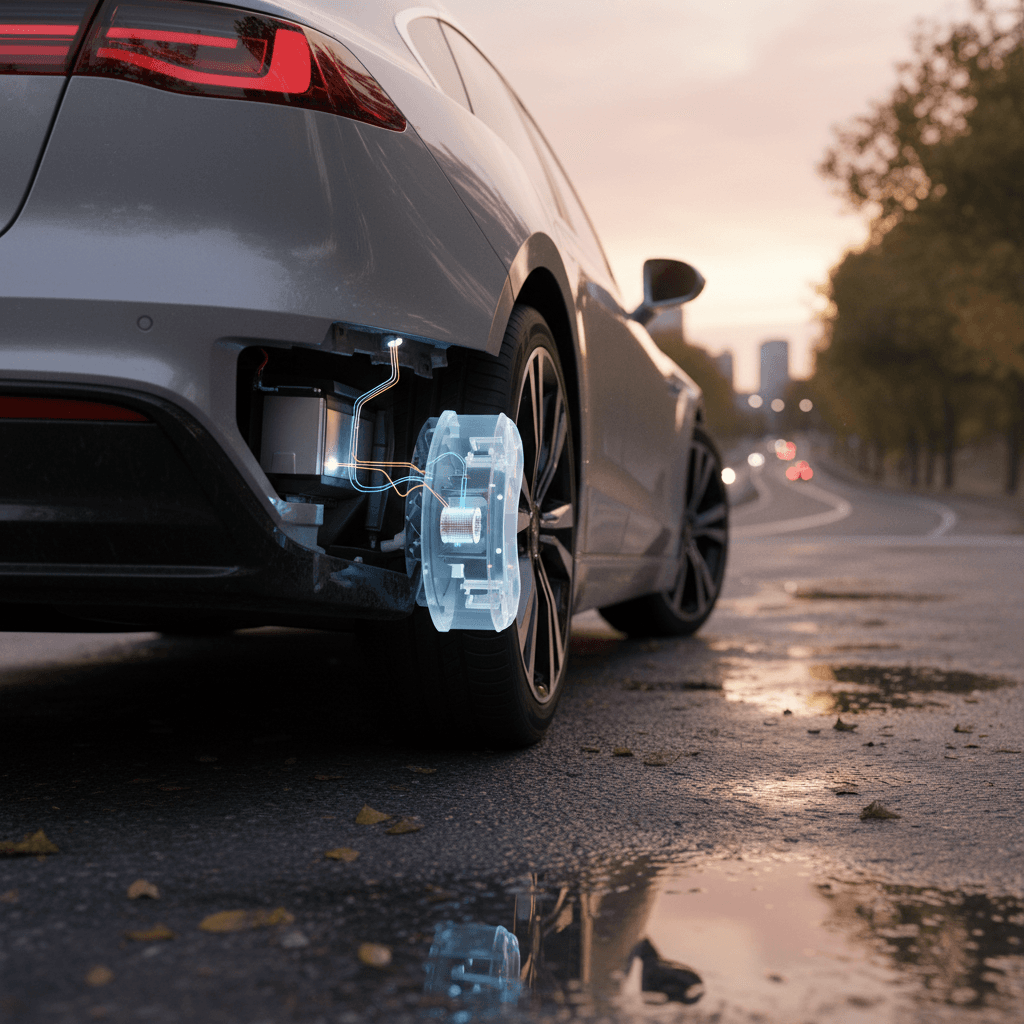
Regenerative braking converts the kinetic energy of a moving vehicle back into electrical energy, storing it in the battery instead of wasting it as heat. In city driving, where stop-and-go traffic is common, regen can recover substantial energy and meaningfully extend real-world range. On highways or Autobahn segments, where cars maintain high speeds and braking is less frequent, regen offers fewer efficiency gains but still influences driving smoothness and control.
Because regen directly affects how the car slows when lifting off the accelerator, it becomes an integral part of the driving experience. Strong regen creates a “one-pedal” feel, while lighter regen allows smoother coasting. Automakers have begun to tune these behaviors intentionally to match their brand identities and regional driving expectations.
Tesla: The Pioneer of Strong One-Pedal Driving
Tesla is widely associated with strong regenerative braking. In most of its models, lifting off the accelerator triggers noticeable deceleration, often making it possible to drive almost entirely with one pedal in city environments. This approach not only maximizes energy recovery but also aligns with Tesla’s focus on simplicity: fewer brake inputs, smoother transitions, and an intuitive interface for drivers who want efficiency without extra effort.
In urban driving, Tesla’s aggressive regen is a clear advantage. It reduces brake wear, extends range, and supports the seamless driving style many Tesla owners appreciate. Being able to glide through traffic using mainly the accelerator pedal creates a unique feel that has become part of Tesla’s identity.
However, Tesla also recognizes that strong regen is not ideal for every situation. On highways or long, open stretches of road — especially at speeds common on European motorways — immediate deceleration when lifting off the accelerator can feel abrupt. With software updates, Tesla has adjusted regen behavior and provided options to fine-tune it for smoother, more natural high-speed driving. This allows drivers to choose between efficient city-style braking and a more relaxed Autobahn-friendly feel.
BMW: Balanced Regen for Drivers Who Love Control
BMW takes a more traditional, balanced approach to regenerative braking. Long known for delivering “ultimate driving machine” dynamics, BMW wants its electric models to feel predictable, responsive, and close to the brand’s combustion-engine heritage.
In city driving, BMW provides moderate regen — enough to capture energy but not so aggressive that it overwhelms the driving feel. Many models allow drivers to switch between different regen levels, giving them flexibility based on traffic conditions or personal preference. This adjustable approach is particularly appealing to drivers transitioning from petrol or diesel cars who prefer a more familiar, coasting-oriented experience.
On highways or the Autobahn, BMW tunes regen to be subtle. The vehicle prefers coasting over strong deceleration when the driver lifts off the pedal, creating a smoother and more controlled high-speed experience. This matches BMW’s reputation for refined long-distance driving and stability at high speeds. The overall result is a regen profile that feels natural, deliberate, and distinctly BMW.
Mercedes: Intelligent, Adaptive Regeneration
Mercedes-Benz has taken a highly adaptive approach to regenerative braking, blending comfort and intelligence. Rather than relying solely on fixed regen levels, many of its electric models offer smart, predictive systems that adjust regen automatically based on driving conditions.
In city driving, Mercedes vehicles may increase regen when approaching traffic, pedestrians, or stoplights, allowing the car to decelerate efficiently without requiring hard braking. This creates a calm, luxurious feel while still capturing energy effectively.
On open highways, the vehicle may reduce regen to maintain smooth gliding and minimize abrupt deceleration. This adaptability aligns with Mercedes’ focus on refined comfort, ensuring the transition between city and highway driving feels seamless. Drivers can also manually choose from several regen modes — from strong braking to near-coasting — depending on preference.
The brand’s approach emphasizes effortlessness: the car reads the environment and adjusts, making regen feel like a natural extension of Mercedes’ luxury ethos.
Why Regen Tuning Is Becoming a Brand Differentiator
As more EVs enter the market, regen tuning is emerging as a way for manufacturers to express their identity. Tesla offers futuristic, crisp one-pedal driving that suits its tech-forward brand. BMW focuses on driving precision and balance. Mercedes provides smooth, adaptive deceleration to complement its luxury-first design.
For consumers, regen behavior can influence everything from comfort to efficiency. If you mostly drive in the city, strong regen may boost range and reduce fatigue. If you commonly drive on highways or fast European routes, a more relaxed regen profile may feel more natural.
As EV technology continues to evolve, regenerative braking will remain a core part of what gives each vehicle its personality. And as automakers refine these systems, regen will continue shaping how drivers connect with their electric cars — one pedal lift-off at a time.


