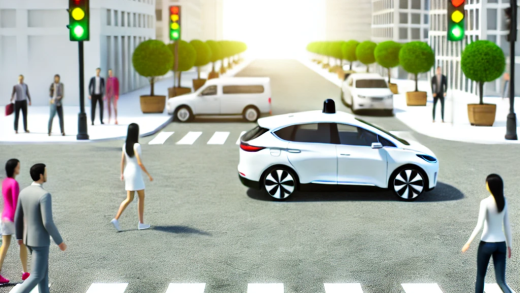
Electric mobility in India is accelerating faster than ever, and much of this growth is being driven by ride-hailing companies, shared mobility platforms and last-mile logistics operators. As more electric two-wheelers, three-wheelers and cars join fleets, one challenge becomes critical: keeping vehicles on the road for maximum uptime.
This is where EV telematics plays a game-changing role. Telematics is no longer just GPS tracking — it is the digital brain that monitors an EV’s battery health, charging status, performance, routes and driver behaviour. For high-utilisation fleets like Ola, Uber and delivery networks, telematics ensures that vehicles stay active, efficient and reliable throughout the day.

Understanding EV Telematics: The Heartbeat of Electric Fleets
A telematics system in an electric vehicle continuously collects data and sends it to a central platform. This includes real-time battery status, predicted range, charging patterns, motor performance, location and driving behaviour.
Unlike fuel vehicles where a quick refuel keeps operations running, EVs require much more planning around battery state of charge, temperature management and optimal charging intervals. EV telematics gives operators visibility into all these elements, ensuring decisions are based on accurate data instead of guesswork.
For ride-hailing drivers and fleet operators, this real-time visibility becomes essential. Knowing whether a vehicle can accept the next ride, whether it needs charging soon, or whether its battery is overheating helps avoid disruptions that impact earnings and customer satisfaction.
Why Ride-Hailing Needs Telematics More Than Ever
Ride-hailing vehicles operate for long hours, often in unpredictable traffic and under heavy utilisation. In an EV, these conditions can cause rapid battery drain and create uncertainty around range and charging schedules. Without telematics, a driver might accept a trip and discover midway that the battery cannot sustain the journey.
Telematics solves this by providing real-time range prediction, battery alerts and optimal route guidance based on energy consumption. It also helps platforms assign rides based on battery readiness, ensuring that drivers do not face mid-trip failures.
For electric taxis, uptime directly affects earnings. Every minute spent stuck at an unplanned charging stop means lost revenue. Telematics systems help plan charging windows, locate nearby chargers, and even forecast when a charger is likely to be free. With EV adoption rising in ride-hailing, this level of intelligence becomes mission-critical.
Fleet Efficiency for Logistics and Last-Mile Delivery
Electric fleets are becoming the backbone of India’s booming e-commerce and hyperlocal delivery sectors. Delivery EVs must meet strict timelines, complete dense route networks and maintain high availability. Telematics makes this possible by optimising route planning to minimise energy use, ensuring drivers complete more deliveries before needing a recharge.
Real-time alerts on battery temperature, state of health and technical faults allow fleet managers to address issues early and avoid breakdowns. In crowded urban environments where deliveries are time-sensitive, telematics improves reliability and builds customer trust.
For large delivery fleets, telematics also enables better rotation of vehicles. Managers can dispatch vehicles based on battery levels and schedule charging in staggered intervals, preventing multiple vehicles from going offline at once.
Predictive Maintenance: Reducing Downtime Before It Happens
One of the hidden advantages of EV telematics is predictive maintenance. Traditional vehicles rely on periodic servicing, but EVs benefit greatly from data-based diagnostics.
Telematics continuously scans for abnormalities in battery behaviour, such as unusual heat, rapid degradation patterns or inconsistent charge retention. It can also detect motor faults, wiring issues and cooling system inefficiencies.
By identifying issues early, telematics prevents unexpected breakdowns — the single biggest cause of downtime in commercial fleets. This not only extends battery life but also reduces long-term repair costs, helping maintain fleet profitability.
Driver Behaviour and Efficiency Gains
Telematics also tracks driver habits such as harsh acceleration, frequent braking or prolonged high-speed driving — all of which drain battery faster. Fleet operators can use these insights to train drivers on smoother driving techniques that extend range and reduce charging frequency.
For ride-hailing platforms, this translates to more trips per charge. For logistics fleets, it means more deliveries before returning to the hub. Over time, optimised driver behaviour can significantly enhance overall fleet efficiency.
Building a Connected Charging Ecosystem
A major pain point for EV operators in India is unpredictable charger availability. Telematics integrates with charging networks to locate available stations, plan charging stops and even reserve slots in advance.
In large fleets, smart charging platforms help balance the load across chargers, minimise peak-hour costs and prevent unnecessary queues. As India’s charging network grows, telematics will become the glue connecting EVs, chargers and fleet management systems.
The Road Ahead: Higher Uptime, Better Business
As EV adoption accelerates across India’s mobility ecosystem, telematics will become the backbone of fleet operations. For Ola, Uber and emerging electric ride-sharing companies, uptime will be the key differentiator. For logistics fleets, data-driven EV operations will improve delivery speed, reduce costs and enhance reliability.
Ultimately, EV telematics is not just a technology layer — it is a business enabler. It transforms EV fleets into intelligent, predictable and highly efficient systems. With the right telematics tools, India’s electric ride-hailing and delivery fleets can achieve smoother operations, higher earnings, and a cleaner footprint on the road.
In a future where millions of EVs navigate India’s cities, smart telematics will quietly power the movement — making sure every ride is charged, every delivery is on time and every fleet is ready for the next journey.