Urban mobility in the US and Europe is changing fast, shaped by new technologies, sustainability goals, and shifting lifestyles. Mobility-as-a-Service, or MaaS, began as a simple idea: combine different transportation options into one seamless experience. Today, that concept is evolving into something much more powerful. As autonomous robotaxis, electric-vehicle car-sharing, and modern public transit networks merge, a new ecosystem of transportation is emerging. This next era—MaaS 2.0—promises cleaner cities, reduced congestion, and a future where owning a car is no longer essential.

The Evolution of MaaS in a Connected World
MaaS originally focused on integrating buses, trains, ride-hailing, and micromobility into a single platform. Users could plan routes, book rides, and pay for trips using one app. It simplified urban travel, especially in cities with strong public transit systems. But in recent years, a broader technological shift has pushed MaaS into a more advanced phase.
Electric vehicles, on-demand mobility, AI-driven routing, and autonomous driving all play a role in redefining the mobility landscape. Consumers increasingly want flexibility, sustainability, and affordability. City governments want better tools to manage congestion and reduce emissions. MaaS 2.0 is the natural evolution of these shared priorities.
Instead of simply coordinating different modes of travel, MaaS 2.0 integrates new types of mobility—especially EV car-sharing fleets and autonomous robotaxis—into a system that feels personalized, efficient, and environmentally responsible.
Tesla Robotaxis and the Autonomous Future
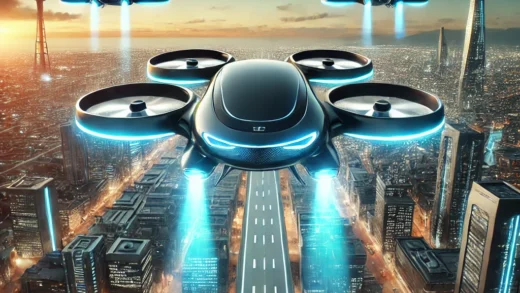
One of the most transformative elements of MaaS 2.0 is the arrival of autonomous robotaxis. While the technology is still being refined and regulations are evolving, the direction is clear. Self-driving electric vehicles are expected to become an essential part of the mobility mix, especially in dense urban areas.
Tesla’s vision for a robotaxi network is one of the most widely discussed examples in the US market. If deployed at scale, autonomous Tesla vehicles could offer on-demand rides without a human driver, potentially at a lower cost than traditional ride-hailing services. This shift could dramatically reduce the number of privately owned vehicles on the road, since users would be able to summon transportation whenever they need it.
For MaaS platforms, robotaxis would bring several advantages. They can operate continuously, optimize routes dynamically, and reduce downtime between trips. In European and American cities, where emissions standards and congestion zones are tightening, electric robotaxis could align perfectly with long-term sustainability and smart-city goals.
The Growth of EV Car-Sharing
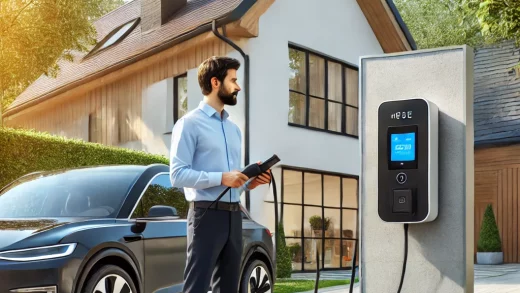
While robotaxis represent one end of the innovation spectrum, EV car-sharing is another key pillar of the MaaS 2.0 ecosystem. Car-sharing services allow users to access electric vehicles for short trips without the responsibilities of ownership. These programs have expanded significantly in many European capitals, where narrow streets, limited parking, and environmental zones make car ownership more burdensome.
In the US, EV car-sharing is growing in urban centers as cities push policies that encourage electrification and shared mobility. Car-sharing offers freedom and flexibility without the high cost of owning, maintaining, charging, and insuring a vehicle. It bridges the gap between personal mobility and public transit, especially for trips that require more time, distance, or cargo than a bike or scooter can handle.
In MaaS 2.0, EV car-sharing becomes fully integrated with other travel modes. A single app can suggest when it is quicker to rent a shared EV, when a robotaxi makes more sense, or when public transit is the easiest option. This blending of choices creates a more fluid and intelligent mobility experience.
Public Transit as the Backbone of MaaS
Even with advancements in autonomous vehicles and shared EV fleets, public transit remains the foundation of any successful MaaS system. Trains, trams, and buses will continue to move the highest number of passengers with the lowest environmental impact. Cities across the US and EU are upgrading their transit systems to be cleaner, more connected, and more accessible.
MaaS 2.0 doesn’t replace public transit—it enhances it. By integrating public transportation schedules, ticketing, and routes directly into MaaS apps, users can switch between modes effortlessly. A commuter might take a tram to downtown, hop into a shared EV for the last mile, and use a robotaxi late at night when transit options are limited.
For cities, integrating public transit into MaaS platforms provides better demand insights and operational data, improving service planning over time. The result is a more responsive, more efficient transit ecosystem.
The Opportunities and Challenges Ahead
MaaS 2.0 opens enormous opportunities for cleaner cities, reduced congestion, and smarter travel. But the path to integration is not simple. Autonomous vehicles must navigate regulatory frameworks and safety standards. EV car-sharing requires strong charging infrastructure and reliable urban logistics. Public transit agencies must upgrade digital systems and collaborate with private operators.
Another challenge is ensuring equitable access. As MaaS expands, it must serve all residents—not just those in dense or affluent areas. Cities will need inclusive pricing, accessible vehicles, and strong digital infrastructure to ensure fair participation.
Despite these hurdles, the momentum behind MaaS 2.0 is unmistakable. Consumers increasingly prioritize convenience and sustainability. Regulators push for greener transportation solutions. Automakers and mobility companies see new business models in subscription-based travel and on-demand fleets.
A Future Where Mobility Is Smarter, Cleaner, and Shared
MaaS 2.0 represents a fundamental shift in how people think about transportation. Instead of owning a personal car, mobility becomes a flexible service that adapts to a user’s needs in real time. Tesla robotaxis, EV car-sharing, and public transit are not competing solutions—they are complementary pieces of a unified mobility ecosystem.
As US and European cities move toward low-emission zones, smart-city planning, and digital integration, MaaS 2.0 will continue to expand. The result will be less traffic, quieter streets, cleaner air, and more accessible mobility for everyone.
The future of transport is not just electric or autonomous—it’s connected, shared, and built around people rather than cars.