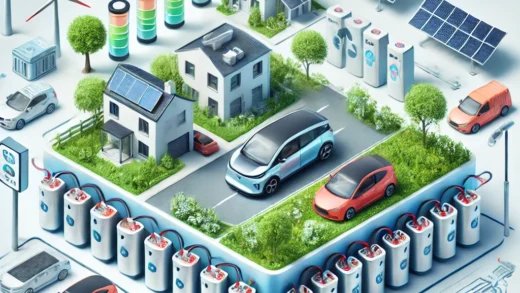
The electric vehicle revolution is no longer just about replacing gasoline with batteries. In markets like the United States and across Europe, EV ownership is increasingly tied to the broader home energy ecosystem. Brands such as Tesla and Volkswagen Group are moving beyond cars and into energy products, signaling a major shift in strategy. Automakers now see the home not as a separate market, but as an extension of the vehicle experience.
This shift is happening because EV buyers are also becoming energy-conscious homeowners. Many are investing in rooftop solar, smart meters, and home batteries to reduce costs and increase energy independence. Companies like Ford Motor Company are already exploring integrated energy solutions that connect vehicles with home power systems. The car is turning into a mobile energy asset rather than just a transportation tool.
At the same time, energy prices in both the US and EU have become more volatile. Grid stress, peak demand pricing, and policy changes are pushing consumers to think more strategically about how and when they use electricity. EV + home energy bundles are emerging as a logical solution. For automakers, this creates a new commerce stack that goes far beyond the dealership.
What EV + Home Energy Bundles Actually Include
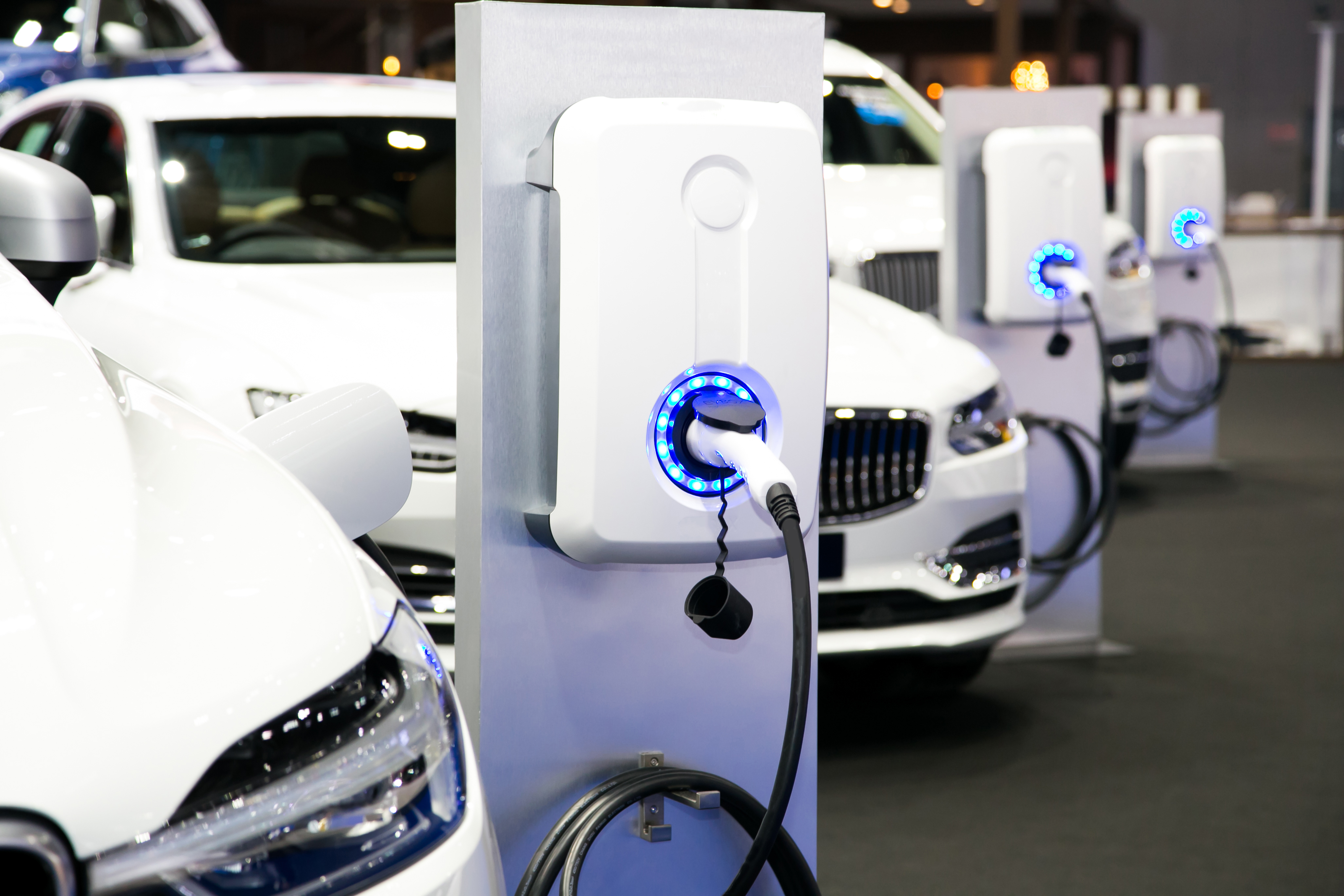
An EV + home energy bundle typically combines the vehicle, home charger, energy management software, and sometimes solar panels or battery storage. In the US, the Tesla ecosystem integrates vehicles with Powerwall storage and solar systems. In Europe, brands are partnering with utilities to provide similar packages tailored to local regulations and incentives.
These bundles often include smart charging systems that automatically schedule charging during off-peak hours. This helps homeowners avoid high electricity tariffs while supporting grid stability. Some systems also enable vehicle-to-home or vehicle-to-grid functionality, allowing the car battery to power the house during outages or peak pricing periods. This transforms the EV into a flexible energy resource.
For automakers, the bundle is not just about hardware. The real value lies in software subscriptions, data insights, and ongoing service contracts. Energy management apps provide real-time analytics, usage tracking, and remote control features. This creates recurring revenue streams while deepening customer loyalty over the life of the vehicle.
Why Automakers See This as the Next Commerce Stack
Traditional automotive revenue models rely heavily on one-time vehicle sales and limited aftersales services. EV + home energy bundles change that equation completely. By entering the home energy market, automakers create long-term customer relationships that extend for decades. This recurring engagement is far more predictable than cyclical car sales.
In the US, federal incentives for clean energy installations make bundled solutions financially attractive. In the EU, strict emissions regulations and green transition policies encourage integrated energy ecosystems. Companies like General Motors are investing in home charging and energy solutions to align with these policy trends. The opportunity lies in capturing value from the entire energy journey, not just the car.
This strategy also strengthens brand positioning. When a customer buys an EV, installs solar panels, and subscribes to an energy optimization service from the same brand, switching becomes less likely. The automaker becomes an energy partner rather than just a car manufacturer. That shift in identity is powerful in competitive US and European markets.
The Benefits for Consumers in the US and EU
For homeowners, the biggest appeal of an EV + home energy bundle is simplicity. Instead of dealing with multiple vendors for chargers, solar panels, and batteries, everything comes from a single ecosystem. Installation, financing, and maintenance are often streamlined into one package. This reduces friction and builds trust.
Cost savings are another major advantage. Smart energy management systems optimize charging times and energy usage based on real-time tariffs. In regions with time-of-use pricing, this can significantly reduce monthly bills. In parts of Europe where energy costs are higher, the savings can be even more meaningful over the long term.
Energy resilience is also becoming a priority. Extreme weather events and grid instability have increased interest in backup power solutions. When an EV battery can supply electricity to a home during outages, it provides peace of mind. For families in both the US and EU, this added reliability is a compelling reason to adopt bundled solutions.
Challenges and Risks in the Bundled Model
Despite the promise, EV + home energy bundles are not without challenges. Upfront costs can be high, especially when solar panels and battery storage are included. Even with incentives, the initial investment may discourage some buyers. Automakers must develop flexible financing models to overcome this barrier.
Regulatory complexity is another hurdle. Energy markets differ significantly between US states and EU member countries. Grid connection rules, incentives, and tariffs vary widely. Automakers entering this space must navigate these differences carefully to avoid operational setbacks and compliance risks.
There is also the question of expertise. Automakers are experts in building vehicles, but energy infrastructure requires a different skill set. Partnerships with utilities, technology firms, and installers are essential. Without strong collaboration, the bundled model may struggle to deliver consistent quality and customer satisfaction.
The Road Ahead for Automotive Energy Integration
Looking ahead, EV + home energy bundles are likely to become a defining feature of the next automotive era. As battery technology improves and software becomes more sophisticated, integration between vehicles and homes will deepen. The lines between mobility and energy will continue to blur.
Automakers that invest early in this commerce stack stand to gain a competitive edge. They can build ecosystems that generate recurring revenue while supporting sustainability goals. In both the US and EU, policy support for electrification and renewable energy creates favorable conditions for growth.
For consumers, the future promises greater control over how energy is generated, stored, and used. The car parked in the driveway will no longer be just a vehicle. It will be a central part of the household energy strategy. In that transformation lies one of the most exciting opportunities in the modern automotive-tech industry.