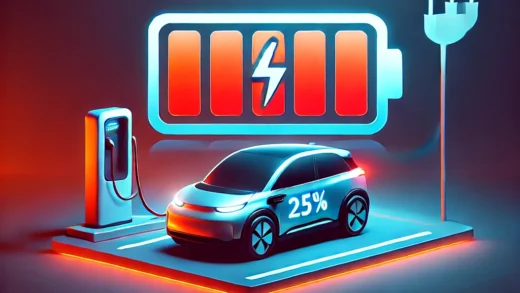
Electric vehicles are growing across the United States and Europe, and with that growth comes a major question: what happens to EV batteries once they are no longer suitable for powering a car? Instead of heading straight for recycling, many of these batteries are finding a second life—one that benefits the energy grid, renewable power systems and utility operators. Second-life EV batteries are becoming a strategic resource, especially for U.S. utilities looking for cost-effective energy storage solutions.
As automakers, energy companies and policymakers explore sustainable ways to support electrification, the reuse of EV batteries is emerging as one of the most promising trends. This article explores how second-life batteries work, why they matter for U.S. utilities, how Europe’s experience shapes the market and what challenges and opportunities lie ahead.

What Makes a Battery Ready for Its “Second Life”?
When an EV battery drops to around 70 to 80 percent of its original capacity, it no longer meets the performance standards needed for driving. Range decreases, charging slows and efficiency drops. But while these batteries may struggle to power a vehicle, they are still capable of storing significant amounts of energy. That makes them excellent candidates for stationary applications, like grid storage or backup systems.
In second-life usage, these batteries are inspected, tested, reconditioned and integrated into energy storage systems rather than being discarded. This gives them several years—sometimes even a decade—of additional useful life. Instead of becoming waste, they become assets.
Why U.S. Utilities Are Paying Attention?
The U.S. electricity grid is undergoing a massive transformation. States are adding more solar and wind energy, which creates intermittent power supply. At the same time, demand patterns are shifting as more consumers adopt EVs, heat pumps and electric appliances. Utilities need flexible, affordable energy storage to balance the grid, prevent blackouts and stabilize renewable energy supply.
New battery storage systems can be costly, especially at grid scale. Second-life EV batteries offer a cost-effective alternative. Because they have already served their first life in EVs, their upfront cost for utilities is lower than new lithium-ion systems. This makes it easier for utilities to expand storage capacity without requiring large capital investments.
Many U.S. utilities are already experimenting with pilot programs that integrate used EV batteries into substation storage, solar farms, microgrids and backup-power installations. This creates practical value while reducing the pressure on recycling infrastructure.
Lessons from Europe: A More Mature Second-Life Market
Europe has moved faster in adopting second-life batteries, providing a blueprint for how the U.S. market can grow. European automakers and utilities have already deployed retired EV batteries into commercial storage units, apartment-building energy systems and grid-balancing projects.
Europe’s approach benefits from strong circular-economy policies and a push for reduced carbon footprint across supply chains. This has encouraged collaboration between automakers, energy companies and recycling firms, making second-life systems easier to deploy at scale.
The U.S. is beginning to follow similar patterns, especially as local regulations evolve and the domestic EV market expands. As more electric cars reach retirement age, the volume of available batteries will grow significantly, enabling utilities to adopt Europe-style strategies.
How Second-Life Batteries Support the U.S. Grid?
Second-life batteries can be applied in multiple ways across the U.S. energy system. One major use is providing backup power during peak demand. When temperatures spike or energy usage surges, batteries can step in and reduce strain on the grid. This is especially important in states with frequent extreme weather events.
Another common application is storing surplus renewable energy. Solar and wind generation often peak when demand is low. Instead of wasting the excess energy, second-life batteries can store it for use when households and businesses need it most—during the evening or overnight.
Utilities are also exploring second-life batteries for microgrid projects in remote or vulnerable areas. These systems improve resilience for communities that face wildfire risks, hurricanes or challenges related to long-distance transmission.
Challenges Before Widespread Adoption
Although second-life batteries offer major advantages, several hurdles remain. The first is standardization. EV batteries vary in design, chemistry and capacity. Sorting, testing and repurposing them requires specialized equipment and expertise. Without consistent standards, the process can be costly or inefficient.
Safety is also a concern. Second-life batteries need thorough inspection to ensure they do not pose electrical or thermal risks. Utilities must be confident in performance before integrating them into critical infrastructure.
Regulatory clarity is another barrier. Rules governing energy storage assets, warranty liabilities and end-of-life recycling differ across U.S. states, creating uncertainty for utilities and battery repurposers.
Finally, supply consistency will take time. Until the first major wave of EVs reaches the end of their vehicle life, the market for used batteries will remain somewhat limited. However, this supply will grow rapidly as EV adoption increases.
The Road Ahead: A Circular Energy Ecosystem
Despite the challenges, the future for second-life EV batteries looks bright. As the U.S. develops its EV ecosystem, second-life systems will become an essential part of a circular battery economy—where batteries are used to their full potential before being recycled for raw materials.
Automakers are already designing EV batteries with easier disassembly and repurposing in mind. Utilities are building partnerships with battery suppliers, recyclers and technology companies to streamline second-life deployment. And as grid demands increase, these systems will become not just practical, but vital.
Conclusion
Second-life EV batteries represent a powerful opportunity for U.S. utilities to enhance grid reliability, support renewable energy and reduce costs. With insights drawn from Europe’s early leadership and growing domestic momentum, the U.S. is well positioned to scale this technology. As more batteries reach their second life, they will help shape a more resilient, efficient and sustainable energy future—one that benefits utilities, consumers and the entire EV ecosystem.