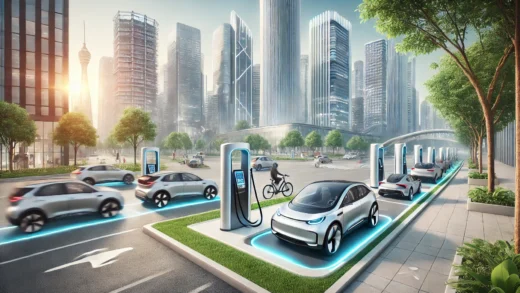
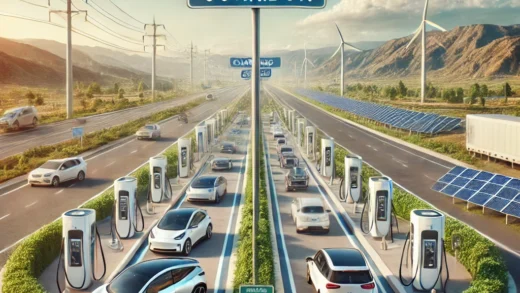
As electric vehicles continue to gain popularity across the United States and Europe, public fast-charging infrastructure is expanding at an impressive pace. But with this rapid growth comes a new challenge: managing pressure on electricity grids while keeping charging affordable and convenient for drivers. One solution gaining traction is dynamic fast-charging pricing, a model that adjusts charging costs based on real-time demand and local grid conditions. This approach promises to balance the needs of drivers, grid operators and charging-network companies—but it also raises questions about fairness, transparency and long-term sustainability.

Why Grid Congestion Matters?
Fast-charging stations, especially those capable of delivering 150 kW or more, draw enormous amounts of power in a short period. When several vehicles charge simultaneously, the load on local transformers and distribution lines can spike dramatically. In regions where grid capacity is already stretched—whether due to high electricity use, aging infrastructure or limited local generation capacity—these spikes can create congestion.
In both the U.S. and Europe, utilities are warning that as EV adoption accelerates, unmanaged charging loads could cause operational challenges. Grid congestion can lead to slower charging speeds, expensive equipment upgrades and even restrictions on new fast-charging sites. Unlike residential charging, which typically occurs overnight, public fast-charging follows less predictable patterns, often coinciding with travel peaks, holidays or commuting hours.
Managing this growing demand requires smarter tools, and dynamic pricing is becoming one of the most practical ways to influence when and how drivers charge.
What Is Dynamic Fast-Charging Pricing?
Dynamic pricing refers to charging costs that change depending on factors such as time of day, station usage, electricity market rates or local grid stress. Instead of a flat per-kWh price, drivers may pay more during peak hours and less when demand is low. While some energy markets already use time-of-use pricing in homes, applying similar principles to EV fast-charging is relatively new.
In practice, dynamic pricing could look like higher rates during busy travel times on major highways, and discounted charging late at night or at stations with extra capacity. The idea is not to penalize drivers, but to spread demand more evenly so the grid doesn’t experience overwhelming spikes.
The Benefits for the Grid and Charging Networks
For grid operators, dynamic pricing is a valuable tool for smoothing demand. If charging costs more at times of high grid stress, many drivers will naturally shift their charging patterns to cheaper periods. This reduces the number of simultaneous high-load events and helps avoid costly infrastructure upgrades. In regions where renewable energy production fluctuates, dynamic pricing can also incentivize charging during periods of abundant solar or wind generation, aligning EV demand with clean energy supply.
Charging-network operators benefit too. Instead of absorbing high electricity prices during congested periods, they can pass some cost signals to drivers, encouraging more balanced usage across stations. This leads to better charger availability, lower operational costs and improved customer experience. A well-managed network can operate more reliably without constantly expanding hardware.
How Dynamic Pricing Affects Drivers?
For EV drivers, dynamic pricing introduces new considerations. Charging becomes not just a question of “where” but also “when.” Some may adjust their routines to avoid peak rates, especially if they have flexibility in their schedules. Road-trip travelers might plan stops at less busy times or choose stations with lower congestion-based pricing. Apps and in-car navigation systems will likely highlight price differences, allowing drivers to make informed decisions.
But dynamic pricing must be implemented fairly. If prices fluctuate too rapidly or unpredictably, drivers may feel uncertain or misled. Transparency will be crucial. Clear signage, app notifications and predictable pricing windows can maintain trust. Over time, drivers may come to view dynamic pricing the same way they view airline tickets, toll roads or electricity tariffs at home—variable but manageable.
Challenges and Limitations
While dynamic pricing holds promise, it also brings challenges. One is equity. Drivers who cannot shift charging times—such as commuters or rural residents with fewer station options—may end up paying more. Policymakers and charging companies must ensure dynamic pricing doesn’t disadvantage certain groups.
Another challenge is communication. Charging prices displayed at a station must be clear and updated in real time. Drivers should never plug in at one rate and be charged another without warning. User experience must remain simple, even as systems become more complex behind the scenes.
From a grid perspective, dynamic pricing works best when paired with accurate data. Grid operators and charging networks must share information about real-time loads, forecasts and energy availability. Without reliable data, pricing signals may be poorly aligned with actual grid conditions.
The Future of Smart Charging
Dynamic fast-charging pricing is part of a broader movement toward “smart charging”—a system where EVs, chargers and grids communicate seamlessly. As charging networks grow and electric vehicles become the norm, smart charging will help balance energy demand, reduce emissions and enable a more resilient energy system.
In the U.S., where interstate fast charging is expanding quickly, dynamic pricing can help prevent grid bottlenecks before they become crises. In Europe, where electricity markets are highly interconnected and renewable penetration is high, dynamic pricing can support both grid stability and climate goals.
The long-term vision is a charging ecosystem that adapts in real time to meet everyone’s needs—drivers, utilities and charging providers alike.
Final Thoughts
Dynamic fast-charging pricing represents a major step toward a smarter, more sustainable electric-vehicle future. By aligning charging behaviour with grid capacity, it reduces congestion, supports renewable energy integration and helps charging networks operate efficiently. For drivers across the U.S. and Europe, it means clearer signals about when and where to charge, potentially lower costs during off-peak times and a more reliable charging experience overall.
As EV adoption accelerates, dynamic pricing will play a key role in keeping the charging ecosystem balanced—and ensuring that the transition to electric mobility remains smooth, fair and future-proof.