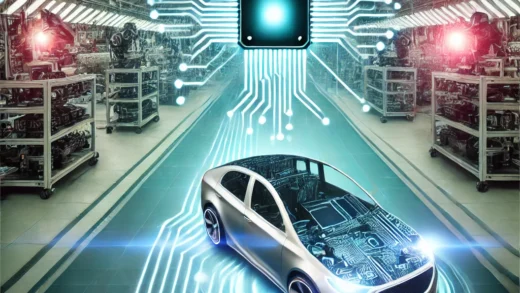
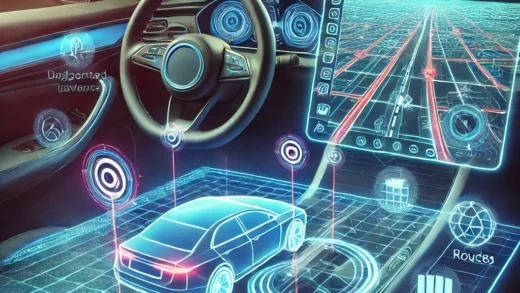
The way we buy and use cars is changing. Once, you paid for a vehicle up front, chose your options at the dealership, and drove away with everything the car would ever offer. Today, in the age of software-defined vehicles (SDVs), that model is being rewritten. Cars are becoming platforms powered by code, and many features are moving behind subscriptions and paywalls. It’s a shift that brings new opportunities, new frustrations, and an entirely new kind of economics for both automakers and consumers.

From Hardware to Software
For decades, the automotive industry was about hardware—engines, transmissions, suspension, and safety equipment. You bought what was installed at the factory, and that was that. Now, much of a vehicle’s capability is defined by software.
Over-the-air (OTA) updates allow automakers to fix bugs, upgrade performance, and even add entirely new functions after a car leaves the lot. This means features no longer have to be tied to physical components. A vehicle can be sold with hardware already installed, but software locks or unlocks how it performs.
This flexibility creates a business opportunity. Automakers can now earn revenue long after the initial sale by charging for access to premium features, much like smartphone apps or streaming platforms.
Why Automakers Love Subscriptions?
The traditional car business is tough. Margins are slim, sales fluctuate, and revenue often depends on cyclical buying trends. Software subscriptions offer a steadier, recurring income stream. Instead of one big payday at the point of sale, companies can generate monthly revenue over the car’s entire lifespan.
It’s also a way to justify the rising cost of software development. By 2030, analysts predict that software could account for half of a car’s total value. For automakers investing billions in code, cloud services, and digital ecosystems, monetization through subscriptions feels not just attractive but necessary.
Finally, subscriptions allow experimentation. Automakers can test which features consumers are willing to pay for—advanced driver-assist modes, performance boosts, or even heated seats—and adjust offerings quickly without redesigning the hardware.
What It Means for Consumers?
For drivers, this model is both empowering and frustrating. On one hand, it lowers the entry price. Buyers can get a base model and choose to add features later, paying only for what they want, when they want it. Imagine subscribing to autonomous highway assist for a long road trip and turning it off afterward. Flexibility like that could make ownership more customizable.
On the other hand, many consumers see subscriptions as a way of paying more for features that should already be included. Heated seat subscriptions from BMW caused global backlash, with drivers arguing that once hardware is installed, access should not be gated by a fee. The perception that automakers are “nickel-and-diming” customers undermines trust.
There’s also the risk of subscription fatigue. With streaming services, productivity apps, and news sites already charging monthly fees, many drivers don’t want their cars added to the list.
The Consumer Backlash
Not surprisingly, resistance is building. Consumer groups in the U.S. and Europe have questioned whether paywalling car features is fair. Some regulators are even considering rules to prevent automakers from charging extra for functions that are already built into the car.
Trust is at the heart of this debate. Customers are more willing to pay for continuous improvements—such as advanced driver-assistance upgrades or enhanced navigation—than for static features like seat warmers. If automakers want this model to succeed, they must prove that subscriptions genuinely add value and are not just a way to squeeze more money from buyers.
Examples Already on the Road
Tesla helped pioneer this trend with its Full Self-Driving package, available as either a one-time purchase or a monthly subscription. Mercedes has tested subscription fees for unlocking higher performance modes in some electric vehicles. Other brands, including Ford and GM, are bundling connectivity, navigation, or advanced driver-assist features into subscription services.
Some of these programs have been embraced. Others have faced harsh criticism. The dividing line is clear: consumers accept subscriptions when they deliver meaningful, ongoing benefits. They reject them when they feel like a cash grab.
How Automakers Can Get It Right?
To make subscriptions work, automakers must focus on value and trust. That means offering services that improve continuously, such as enhanced safety features, entertainment packages, or evolving autonomous functions. Features that feel static or essential should remain part of the standard car purchase.
Clear communication is crucial. Consumers need to know exactly what they are paying for, how long it lasts, and what happens if they stop subscribing. Transparency builds confidence, while vague or confusing terms invite backlash.
Data privacy is another critical piece. Many subscription features rely on collecting user data. Automakers must be upfront about what is collected, how it’s used, and how consumers can control it. In a world where cars double as data platforms, mishandling privacy could sink subscription models before they gain traction.
The Future of Cars, Code, and Cash
Analysts predict that by the end of the decade, software-based services could represent hundreds of billions of dollars in revenue for the automotive industry. Automakers that succeed will balance innovation with fairness, building ecosystems that customers want to join rather than avoid.
For drivers, the coming years will require a shift in mindset. Cars will no longer be static machines but evolving platforms—sometimes improved overnight, sometimes asking for another subscription fee. The winners in this new economy will be those who deliver features that feel indispensable, not exploitative.
The economics of SDVs is about more than paywalls—it’s about redefining what it means to own a car in the digital age. And in that world, trust will be worth more than horsepower.