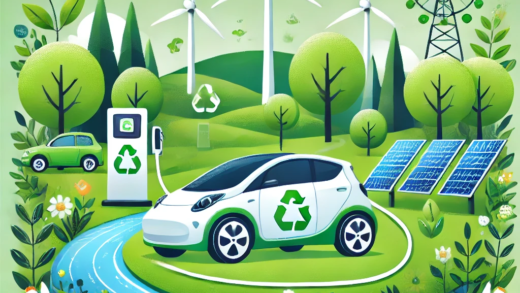
India is making bold strides toward a cleaner, greener future by embracing electric mobility. With electric vehicles (EVs) gaining popularity among consumers, the government and private sector are working hand-in-hand to develop a robust network of public EV charging stations. This initiative is vital for achieving India’s sustainability goals and ensuring that EV adoption is practical and accessible for all.
The country’s ambitious plans aim to create a seamless charging infrastructure that supports EV drivers in urban and rural areas alike. By focusing on affordability, accessibility, and scalability, India is gearing up for a mobility revolution that will benefit both the environment and its citizens.
The Need for Public EV Charging Infrastructure
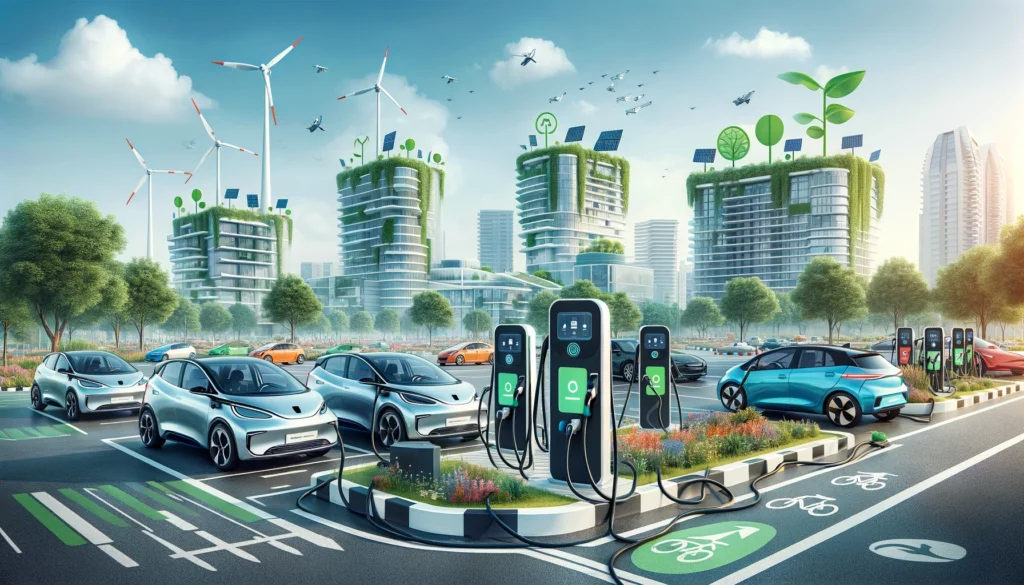
India’s transition to electric mobility is driven by the need to reduce dependence on fossil fuels, curb air pollution, and combat climate change. As more drivers consider making the switch to EVs, the availability of reliable public charging stations has become a critical factor in ensuring widespread adoption.
While home charging is convenient, it isn’t always feasible for everyone, especially in densely populated urban areas or residential complexes. Public EV charging stations bridge this gap by providing convenient and accessible options for drivers to recharge their vehicles. They also support long-distance travel, ensuring that EVs are a practical choice for all types of journeys.
Government Initiatives Driving Change
The Indian government has taken significant steps to establish a comprehensive EV charging network. Through policies and initiatives, it aims to create a supportive ecosystem that encourages private investment while ensuring the affordability of EV infrastructure.
One of the key policies focuses on the widespread installation of charging stations in metropolitan cities, highways, and remote areas. Major highways and expressways are being equipped with fast-charging stations to facilitate long-distance EV travel. Cities are also rolling out charging points in public spaces such as parking lots, malls, and office complexes to make recharging as easy as refueling a petrol vehicle.
Subsidies and incentives for companies investing in EV infrastructure are another vital aspect of the government’s strategy. These measures are designed to reduce the cost of setting up charging stations, making it an attractive venture for businesses. Additionally, public-private partnerships are being encouraged to accelerate the rollout of charging infrastructure across the country.
Collaboration with the Private Sector
The private sector plays a crucial role in India’s EV charging ecosystem. Several companies are entering the market to set up charging networks, partnering with automakers, energy providers, and government agencies to expand coverage rapidly. These collaborations are not only increasing the availability of charging points but also ensuring that the infrastructure is technologically advanced and user-friendly.
Many companies are focusing on innovation, introducing features such as app-based charging, contactless payments, and real-time station availability updates. These advancements are making the EV charging experience seamless and convenient, further encouraging drivers to transition to electric vehicles.
Addressing Challenges in Infrastructure Development
While the progress is promising, there are challenges that India must address to ensure the success of its public EV charging plans. The high cost of installing fast chargers, maintaining infrastructure, and securing a stable power supply are significant hurdles. Additionally, ensuring equitable access to charging stations in remote and underdeveloped areas requires strategic planning and investment.
The government’s focus on renewable energy integration is a step in the right direction. By using solar and wind energy to power charging stations, India can reduce costs and improve sustainability. This approach aligns with the country’s broader goal of transitioning to clean energy while making EV infrastructure more reliable and efficient.
Another critical factor is standardization. Developing universal charging standards will enable interoperability between different vehicle models and charging networks, ensuring a seamless experience for drivers. This will also encourage greater competition and innovation among charging service providers.
What This Means for Indian Drivers
India’s plans for public EV charging stations are set to transform the driving experience for millions of people. With a growing network of chargers, drivers can enjoy the confidence of knowing they can recharge their vehicles conveniently, whether they’re commuting in the city or traveling across states.
The expansion of public charging infrastructure also makes EVs a more practical option for budget-conscious consumers. With lower running costs compared to traditional vehicles and access to affordable charging options, EVs are becoming an attractive choice for families and individuals looking to save money while reducing their environmental impact.
A Greener Future on the Horizon
India’s push to establish a robust public EV charging network is more than just an infrastructure project—it’s a step toward a cleaner and more sustainable future. By prioritizing accessibility, affordability, and innovation, the country is setting the stage for an electric mobility revolution that benefits all.
As the network grows, EVs will become a common sight on Indian roads, contributing to better air quality and a healthier environment. For drivers, it means more convenience, cost savings, and the opportunity to be part of a movement that’s shaping the future of transportation.
India’s journey toward electric mobility is well underway, and the development of public EV charging stations is at the heart of this transformation. With the combined efforts of the government, private sector, and consumers, the dream of a cleaner, greener India is becoming a reality, one charging station at a time.