As the world accelerates toward electric mobility, traditional gas stations are evolving to keep up with the growing demand for EV charging infrastructure. In the US and Europe, where electric vehicle (EV) adoption is surging, gas stations are undergoing a significant transformation, becoming key players in the shift toward sustainable transportation.
The move to integrate EV chargers at gas stations is not just about convenience—it’s about future-proofing the fueling network and making the transition to electric vehicles more accessible for everyone. This evolution could change the way we think about refueling, bridging the gap between the past and the future of mobility.
Why Gas Stations Are Adapting
Gas stations have long been the backbone of transportation infrastructure, serving millions of drivers daily. However, the rise of electric vehicles is reshaping consumer behavior and creating a need for more widespread charging solutions. Governments in both the US and Europe are incentivizing the development of EV charging networks, and gas stations are perfectly positioned to meet this demand.
Many gas stations are located on major highways and in urban centers, making them ideal spots for EV charging. By adding charging stations to their existing offerings, they can attract a new wave of customers while staying relevant in a rapidly changing market. For drivers, this means more convenient access to charging points, reducing range anxiety and making EV ownership more practical.
Fast Charging for Busy Lifestyles
One of the biggest challenges for EV adoption has been the time it takes to charge a vehicle compared to refueling a gas tank. Gas stations are addressing this by incorporating fast-charging technology, which can deliver a significant charge in as little as 15-30 minutes. This aligns with the time it typically takes for a coffee break or a quick meal, turning charging into a seamless part of the journey.
In Europe, where EV adoption is growing rapidly, fast-charging networks are becoming increasingly common at service stations along highways. The US is also seeing a surge in high-speed chargers at gas stations, with some locations offering ultra-fast charging that rivals the convenience of traditional refueling.
These advancements are making long-distance travel in an EV more feasible, ensuring that drivers can charge quickly and get back on the road with minimal disruption.
A Boost for Rural and Urban Areas
While cities often have a higher density of charging stations, rural and suburban areas are sometimes left behind. Gas stations in these regions are stepping up to fill the gap, providing much-needed charging infrastructure for drivers who might otherwise struggle to find a convenient spot.
In urban areas, gas stations with EV chargers can cater to apartment dwellers and others who may not have access to home charging. By offering a reliable alternative, these stations are helping to democratize EV ownership and ensure that charging is accessible to a broader audience.
Sustainability and the Changing Role of Gas Stations
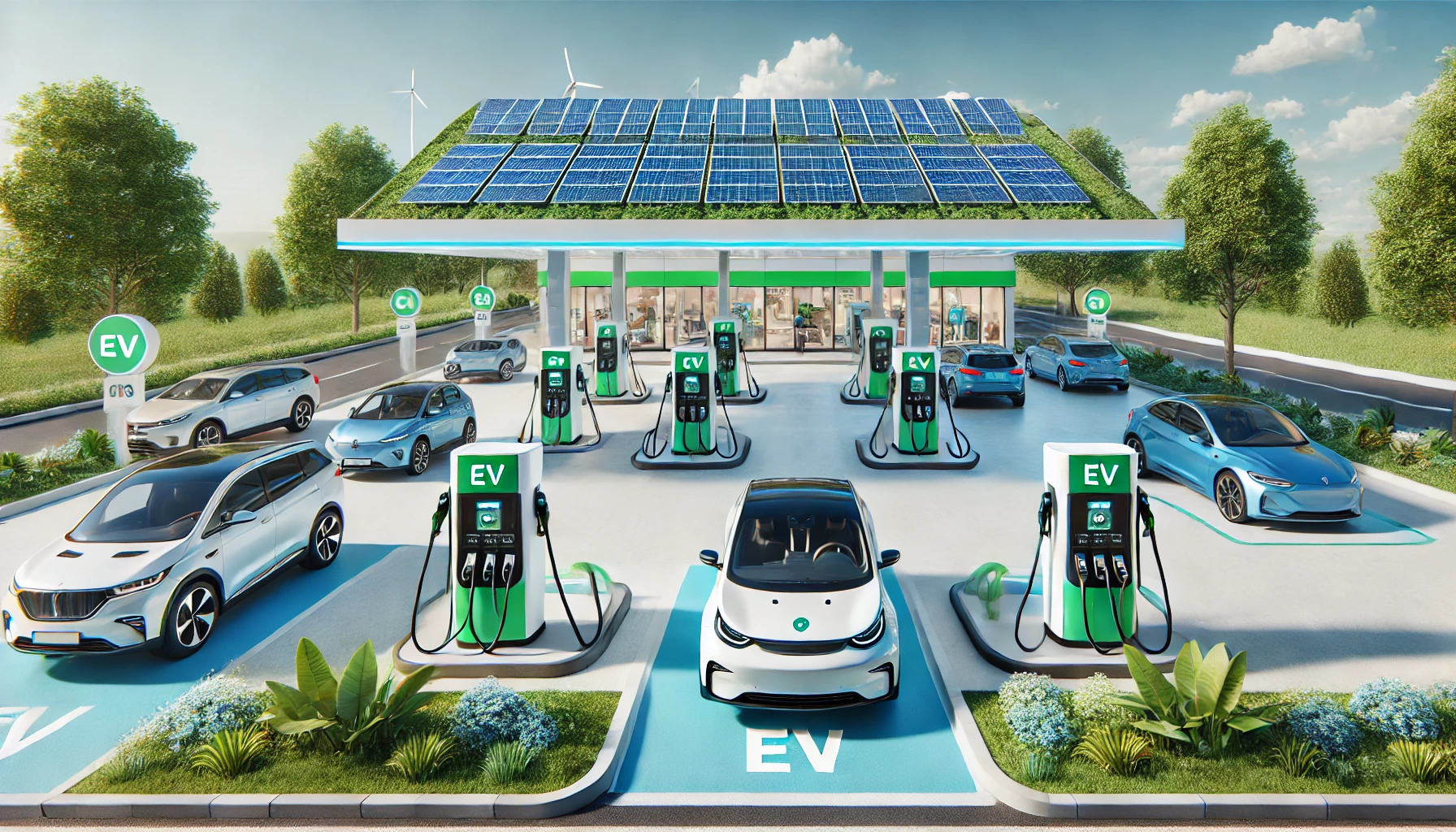
The addition of EV chargers at gas stations reflects a larger shift toward sustainability in the transportation sector. Many stations are also exploring ways to integrate renewable energy sources, such as solar panels, to power their chargers. This not only reduces the carbon footprint of charging but also supports the transition to cleaner energy systems.
As gas stations pivot to accommodate EVs, they are redefining their role in the community. Some are transforming into multi-purpose hubs, offering amenities such as convenience stores, cafes, and workspaces. This creates a more engaging and useful environment for customers, making charging stops more enjoyable.
Challenges and Opportunities
While the integration of EV chargers at gas stations is a promising development, it does come with challenges. High installation costs, grid capacity issues, and the need for rapid technological advancements are some of the hurdles operators face. However, these challenges are being addressed through partnerships with governments, EV manufacturers, and energy companies.
In the US and Europe, public funding and private investment are driving the expansion of charging networks. Automakers are also collaborating with gas station chains to ensure a smoother rollout of charging infrastructure. These efforts are creating a win-win situation where both drivers and station owners benefit.
What It Means for Drivers
For EV drivers, the presence of charging stations at gas stations represents a major step forward in convenience and accessibility. Instead of planning routes around limited charging points, drivers can now rely on a familiar and widespread network for their charging needs. This shift also helps normalize EV ownership, making it more appealing to those who might still be on the fence about going electric.
For those in the US and Europe who are considering an EV, the growing availability of charging options at gas stations could be the tipping point that makes the decision easier. It’s not just about reducing emissions—it’s about ensuring that EVs fit seamlessly into everyday life.
The Road Ahead
The integration of EV charging at gas stations is more than just a trend—it’s a necessary evolution in the journey toward sustainable mobility. As this transformation unfolds, drivers in the US and Europe can look forward to a future where recharging an EV is as simple and convenient as filling up a tank of gas.
This shift also highlights the adaptability of the automotive and energy industries, showing how innovation can meet the challenges of a changing world. For gas stations, this is an opportunity to remain at the forefront of mobility solutions. For consumers, it’s another step toward a cleaner, greener future on the road.