As we move further into 2025, the automotive industry continues to evolve with groundbreaking innovations aimed at enhancing the driving experience. One such innovation is nanotechnology, which has begun to revolutionize the way we think about car exteriors. Specifically, nanotechnology in paints is paving the way for self-healing car surfaces that can maintain their pristine look despite the wear and tear of everyday life.
The Concept of Self-Healing Car Paints
In the past, car owners in the U.S. had to deal with minor scratches, chips, and dings on their vehicles. While these blemishes were a normal part of car ownership, they often required costly repairs or touch-ups. However, thanks to nanotechnology, that’s all changing.
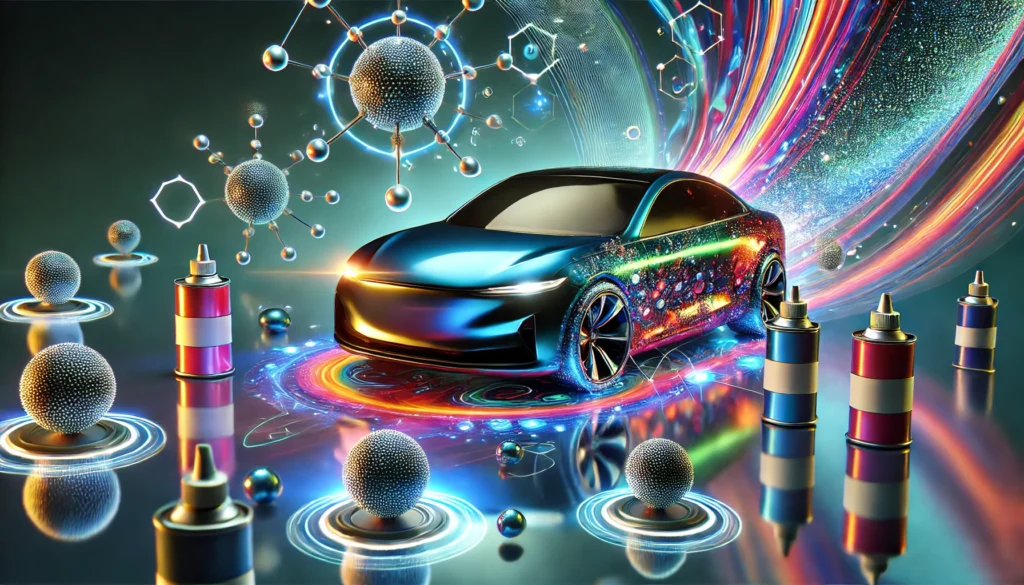
Self-healing paints use advanced nanotechnology to create a protective layer that can “heal” itself when scratched or damaged. This means that small scratches or scuffs will disappear on their own, without the need for a repair. The paint contains microscopic particles that can rearrange themselves when disturbed, allowing the surface to “close up” and restore its smooth finish. This breakthrough technology is a game-changer for car manufacturers and owners alike, offering longer-lasting, low-maintenance solutions for vehicle exteriors.
How Nanotechnology Enhances Car Paints
The magic behind self-healing car paints lies in the unique properties of nanotechnology. Nanoparticles embedded in the paint create a protective barrier that reacts to external damage. When a scratch occurs, the molecules within the paint move to fill in the damaged area, effectively “healing” the paint without human intervention. The self-healing process can take anywhere from a few minutes to a few hours, depending on the severity of the scratch and environmental conditions.
The technology is not just limited to minor scratches. Self-healing paints can also help prevent the buildup of dirt, grime, and water spots, keeping your car’s exterior cleaner for longer. The paint’s enhanced durability ensures that it can withstand exposure to the sun, rain, and even road salts without fading or losing its glossy appearance.
The Benefits of Nanotechnology in Car Paints
For car owners in the U.S., the benefits of nanotechnology in car paints are hard to ignore. First and foremost, the self-healing properties of these paints significantly reduce the need for frequent repairs. Whether you’re driving through busy city streets or taking a road trip across the country, your car is likely to encounter minor damage from debris, tree branches, or even parking lot incidents. With self-healing paint, these issues become a thing of the past.
Moreover, self-healing car paints can help maintain the vehicle’s resale value. A well-maintained exterior is one of the first things buyers notice, and with self-healing technology, your car can look newer for longer. This can be particularly beneficial in the competitive used car market, where a vehicle’s appearance plays a critical role in its overall value.
Another key benefit is the cost savings. While self-healing paint may come at a higher initial cost compared to traditional car paints, the long-term savings are significant. With reduced need for repairs, car owners can save money on touch-ups and repainting. Additionally, since the paint is more resistant to environmental damage, there’s less risk of fading, discoloration, or corrosion over time.
A Step Towards Sustainability
As environmental concerns continue to grow, the automotive industry is looking for ways to make vehicles more sustainable. Self-healing car paints, developed with nanotechnology, play an important role in this shift. By reducing the need for frequent repainting and repairs, these paints minimize waste and the consumption of resources. Furthermore, many self-healing paints are designed to be more eco-friendly, with formulations that reduce the use of harmful chemicals typically found in traditional automotive paints.
As the technology continues to advance, we can expect even more environmentally friendly options to emerge. The future of self-healing paints may include materials that are fully recyclable, offering a cleaner, greener solution for both car manufacturers and consumers.
Looking Ahead: The Future of Car Exteriors
In 2024, nanotechnology in car paints is still in its early stages, but it’s clear that this innovative solution is transforming the way we protect and maintain our vehicles. As automakers and paint manufacturers continue to improve upon the technology, we may soon see even more advanced self-healing properties, such as paints that can recover from larger or deeper scratches. In the coming years, the widespread adoption of self-healing car paints could become the standard for new vehicles on the market.
In the United States, where vehicle ownership is high and environmental consciousness continues to rise, nanotechnology in car paints represents a leap forward in automotive technology. Whether you’re looking to protect your car’s exterior from everyday damage or seeking a sustainable solution to vehicle maintenance, self-healing paints offer a compelling option that is sure to become more common on roads across the country. The future of car exteriors is here, and it’s self-healing, thanks to the power of nanotechnology.
Conclusion
Nanotechnology’s impact on car paints is undoubtedly exciting. With self-healing properties, these innovative coatings are setting a new standard for car care and durability. As the technology matures, it promises to offer a more sustainable, cost-effective solution for keeping your vehicle looking brand new for years to come. In 2025, this technology is not just a novelty—it’s becoming a practical and essential part of the modern automotive experience.