As the world accelerates toward a sustainable future, India is taking significant strides in the electrification of its transportation sector. One area where India is particularly leading the charge is in the electric two-wheeler market. With a burgeoning population, dense urban areas, and a growing demand for eco-friendly alternatives, India’s electric two-wheeler revolution is not just reshaping its own transport landscape, but it’s also offering valuable insights for other emerging markets.
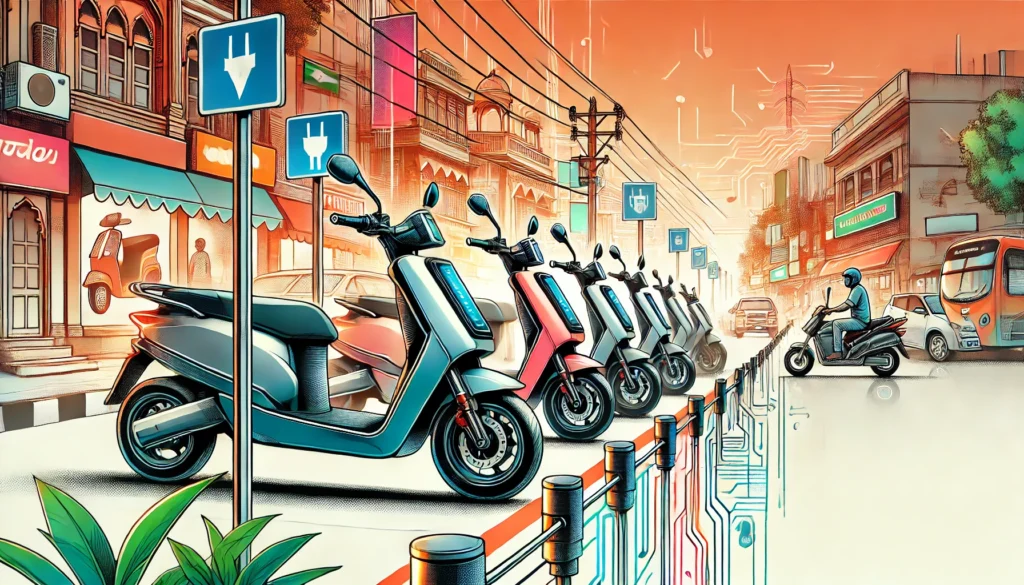
The Electric Two-Wheeler Boom in India
India, home to the world’s largest two-wheeler market, has long been dominated by petrol-powered motorcycles and scooters. However, the shift to electric vehicles (EVs) has been gaining momentum, driven by a combination of environmental concerns, rising fuel prices, and government incentives. The Indian government has made concerted efforts to reduce carbon emissions and improve air quality, especially in major cities like Delhi and Mumbai, where pollution levels are a growing concern.
In recent years, electric two-wheelers have emerged as an attractive alternative. These vehicles offer lower running costs, reduced maintenance, and, most importantly, a cleaner footprint. Companies like Ola Electric, Ather Energy, and Revolt Motors have led the way, introducing electric bikes and scooters that cater to India’s vast and diverse market. From affordable models to premium offerings, the variety of electric two-wheelers is expanding, making them accessible to a broader audience.
The Role of Government Policies
India’s government has played a pivotal role in promoting the adoption of electric vehicles. The Faster Adoption and Manufacturing of Hybrid and Electric Vehicles (FAME) scheme, along with state-level policies, has provided a much-needed boost to the EV sector. Incentives such as subsidies for both manufacturers and consumers, along with the installation of charging infrastructure, have paved the way for a significant shift.
These government policies have not only attracted Indian consumers but have also positioned India as an attractive market for global EV manufacturers. The establishment of a robust electric two-wheeler ecosystem is something that other emerging markets, with similar urban challenges and environmental concerns, can look to as a model.
The Environmental and Economic Benefits
India’s push for electric two-wheelers is about more than just cleaner air. It’s also a step toward greater economic sustainability. With fossil fuel imports being a significant drain on the nation’s economy, shifting to electric mobility could reduce dependency on oil and improve energy security. The increased demand for electric vehicles has also created new industries, such as EV manufacturing, battery production, and charging infrastructure development. This sector is generating jobs and contributing to the growth of a green economy.
For consumers, electric two-wheelers represent substantial savings on fuel and maintenance. As petrol prices rise and pollution levels worsen, the affordability and low maintenance of electric two-wheelers have made them an increasingly popular choice. In cities where traffic congestion and parking issues are major concerns, electric scooters and bikes also offer greater flexibility and ease of use.
A Model for Other Emerging Markets
India’s electric two-wheeler revolution is a model that could easily be replicated in other emerging markets. Countries in Southeast Asia, Africa, and Latin America share many of the same challenges: high urban population densities, pollution, and a need for affordable, efficient transport. In these regions, motorcycles and scooters are already the preferred modes of transport, making them ideal candidates for electrification.
Like India, these markets can benefit from government policies that incentivize the adoption of electric vehicles and the development of charging infrastructure. The low operating costs of electric two-wheelers could make them an attractive alternative to traditional vehicles in markets where fuel prices are volatile and incomes are low. With the right investments in infrastructure and policy support, electric two-wheelers could soon become the go-to mode of transport in many emerging economies.
Challenges Ahead
Despite the positive trends, India’s electric two-wheeler market, like any other, faces its own set of challenges. One of the biggest hurdles is the limited availability of charging stations, particularly in rural areas. Battery technology and range anxiety are also concerns for potential buyers. However, these issues are being addressed with increasing investments in charging infrastructure and improvements in battery technology.
For emerging markets looking to adopt a similar model, these challenges can be mitigated by drawing lessons from India’s experiences. Collaborative efforts between governments, manufacturers, and consumers will be key to overcoming these hurdles.
Conclusion
India’s electric two-wheeler revolution is setting the stage for a cleaner, greener future in the transportation sector. With government incentives, innovative startups, and a growing consumer base, India is creating a blueprint for other emerging markets to follow. As more countries adopt electric mobility, India’s experience can serve as a valuable guide for achieving sustainability, economic growth, and cleaner air. The electric two-wheeler revolution is not just a trend—it’s a movement that is shaping the future of transportation across the globe.