Electric vehicles (EVs) are becoming an integral part of the global drive toward sustainability. In the United States, the EV market has seen rapid growth, fueled by advancements in technology, eco-conscious consumers, and supportive policies. However, one of the most pressing challenges facing EVs today is their performance in varying climates. From the icy roads of Minnesota to the sweltering heat of Arizona, weather conditions significantly impact battery efficiency and range. Enter all-weather battery technology—a groundbreaking innovation poised to revolutionize the EV landscape.
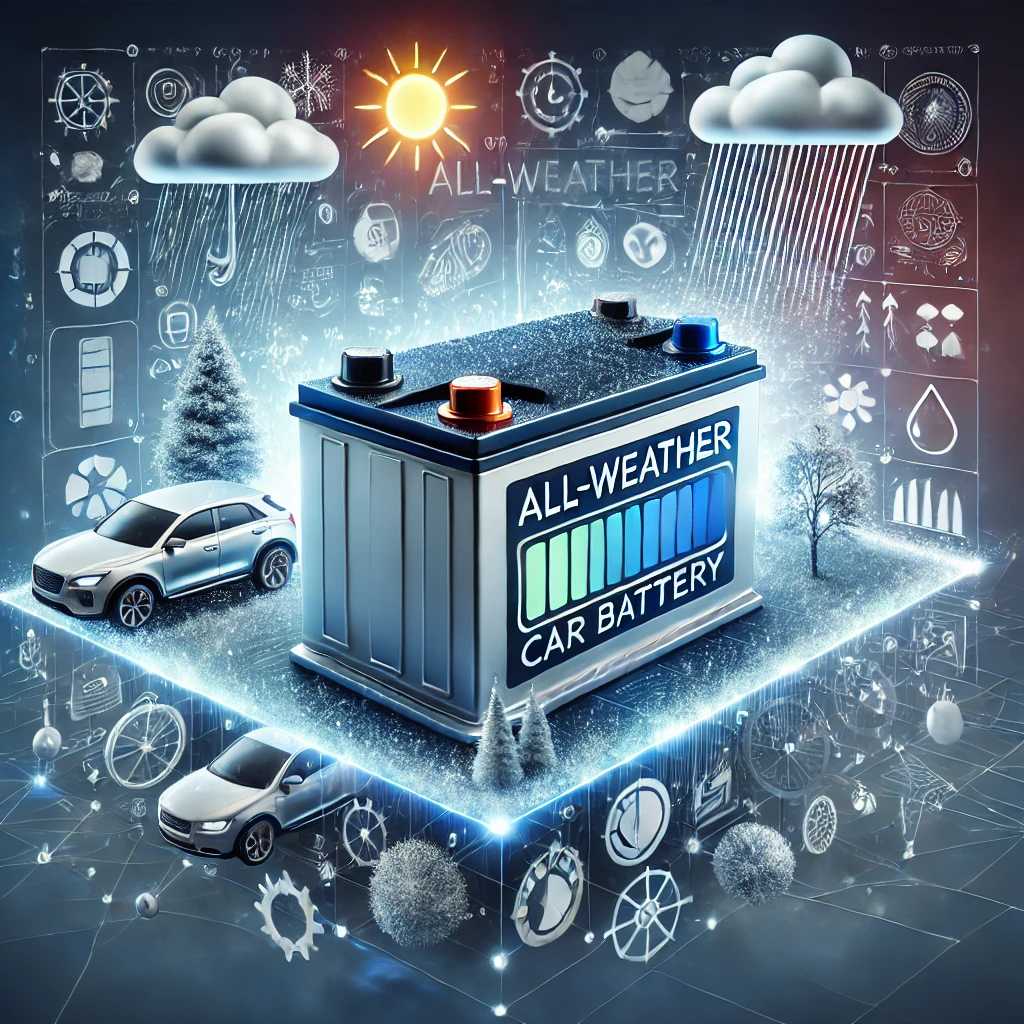
The Climate Challenge for EVs
Battery performance in EVs is directly influenced by ambient temperatures. In colder climates, chemical reactions within the battery slow down, leading to reduced efficiency and shorter range. Similarly, extreme heat can cause the battery to overheat, impacting its longevity and safety. For American EV owners who drive through a spectrum of weather conditions, this variability can be a major concern.
The US is a unique testbed for all-weather battery solutions. With its vast geographic diversity, ranging from the humid Southeast to the dry Southwest, the country showcases how critical it is to develop batteries that can thrive under diverse climatic pressures. Consumers expect EVs to perform consistently, whether navigating icy mountain passes or cruising along sun-baked highways.
What Is All-Weather Battery Technology?
All-weather battery technology refers to advanced energy storage solutions designed to operate efficiently across a wide range of temperatures. These batteries are engineered with innovative materials and cooling or heating mechanisms to maintain optimal performance regardless of the external environment.
Scientists and engineers are exploring solutions like solid-state batteries, which replace the liquid electrolyte in traditional lithium-ion batteries with a solid material, making them more resilient to temperature extremes. Thermal management systems, such as liquid cooling and heat pumps, are also being integrated into EV designs to regulate battery temperatures in real time.
Why All-Weather Batteries Are a Game Changer
The development of all-weather battery technology represents a transformative shift for the EV industry. For drivers in colder states like Alaska or those braving the heat of Nevada, these batteries promise more reliable range and performance. No longer will harsh weather be a barrier to adopting EVs. This innovation also reduces “range anxiety,” a common concern among potential EV buyers who fear running out of charge before reaching their destination.
For automakers, all-weather batteries enhance customer trust and satisfaction. In the US, where extreme weather events are becoming more frequent due to climate change, having a vehicle that can adapt to these conditions is increasingly vital. All-weather batteries also pave the way for the expansion of EVs into rural areas and regions where charging infrastructure may still be in its infancy.
The Role of US Innovation
The United States is at the forefront of developing and deploying all-weather battery technology. Major players in the EV industry, such as Tesla, Rivian, and Ford, are investing heavily in research and development to create robust batteries that can tackle temperature extremes. Partnerships with universities and research institutions are driving innovation, making the US a global leader in this space.
Government support through tax incentives, grants, and infrastructure investments is further accelerating progress. Federal initiatives like the Inflation Reduction Act of 2022 have spurred greater investment in battery technology, while state-level policies encourage localized solutions to meet diverse climatic needs.
A Future Powered by All-Weather Batteries
Imagine a future where the harshest winter storm or the hottest summer day poses no challenge to EV owners. All-weather battery technology is making this vision a reality. By improving energy density, durability, and temperature tolerance, these batteries are not just ensuring a smoother ride but also strengthening the case for EVs as the primary mode of transportation in the US.
For American consumers, this means greater confidence in transitioning to electric mobility. Beyond personal vehicles, the impact of all-weather batteries extends to public transportation, delivery fleets, and even emergency services. The result is a cleaner, greener transportation network equipped to handle whatever Mother Nature throws its way.
Driving Toward Sustainability
As the EV industry races to address challenges posed by varying climates, all-weather battery technology stands out as a beacon of innovation and resilience. The US is not only embracing this technology but is also shaping its global adoption. From extending range in freezing temperatures to maintaining safety in extreme heat, these batteries are ensuring that EVs remain a viable choice for all.
For those considering an EV, the message is clear: the future of mobility is electric, and it’s ready for all seasons. As all-weather battery technology continues to evolve, the dream of a sustainable, climate-resilient transportation system is fast becoming a reality. By leading the charge, the United States is setting an example for the world to follow, one battery at a time.