The landscape of logistics is undergoing a seismic shift, and fully autonomous delivery pods are at the center of this transformation. These compact, self-driving vehicles are designed to handle last-mile deliveries with precision and efficiency, offering a glimpse into the future of how goods are transported from warehouses to doorsteps. As e-commerce continues to thrive in the United States, the need for innovative delivery solutions has never been greater. Fully autonomous delivery pods are not just a concept—they’re quickly becoming a reality in 2024.
What Are Fully Autonomous Delivery Pods?
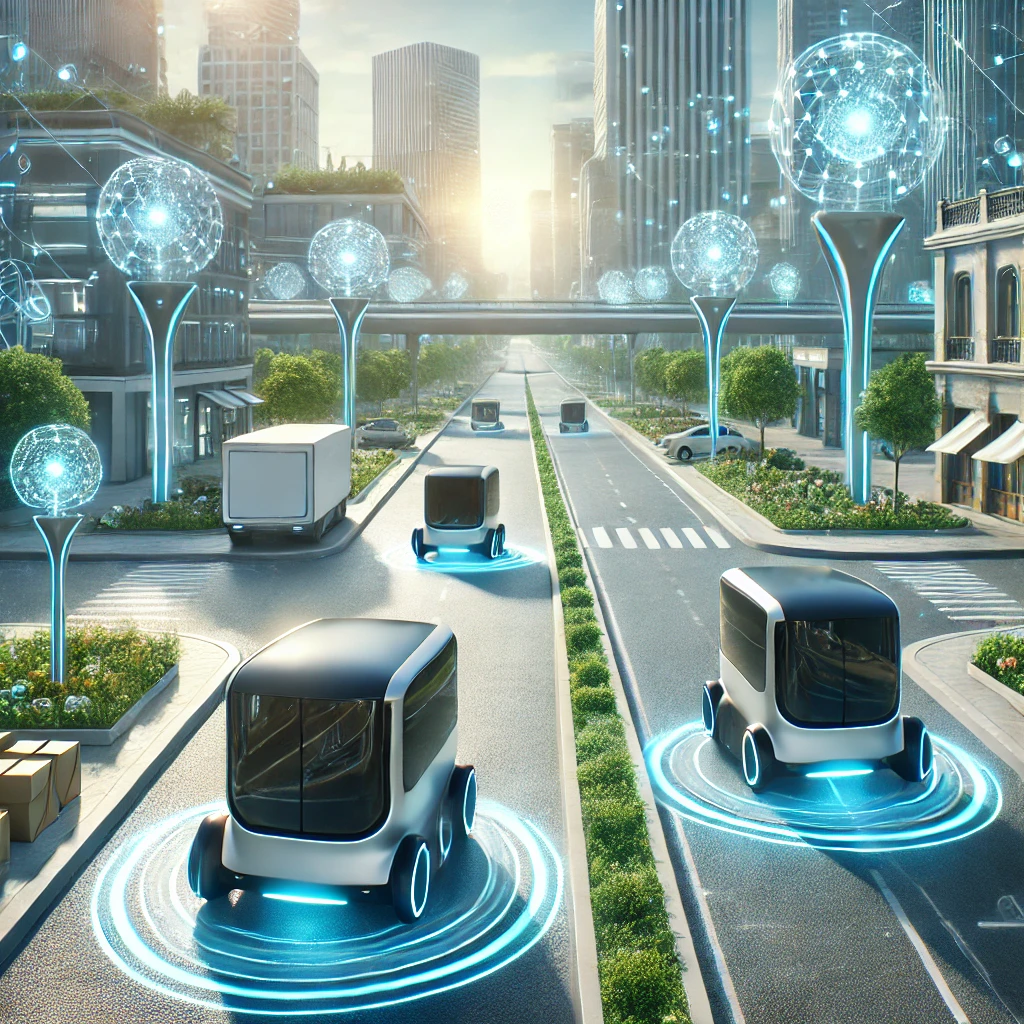
Fully autonomous delivery pods are small, self-driving vehicles specifically designed for transporting goods over short distances. Unlike traditional delivery trucks, these pods are optimized for last-mile logistics, the final leg of a delivery journey that brings packages to consumers’ homes or businesses. Equipped with cutting-edge technologies such as advanced sensors, GPS systems, and AI-powered navigation, these pods can operate without human intervention, safely navigating urban and suburban environments.
Many of these pods are electric, aligning with the growing push toward sustainability in the transportation sector. Their compact size allows them to maneuver through narrow streets and crowded neighborhoods, making them ideal for urban deliveries.
The Importance of Last-Mile Logistics in the US
In the United States, last-mile logistics is one of the most challenging and costly aspects of the supply chain. With the rise of e-commerce giants like Amazon, Walmart, and Shopify-powered stores, consumer expectations for fast and reliable deliveries have skyrocketed. However, meeting these demands often requires complex and resource-intensive operations.
Traditional delivery methods face several hurdles, including traffic congestion, fuel costs, and the need for large fleets of drivers. Fully autonomous delivery pods address these issues by offering a cost-effective, environmentally friendly, and scalable alternative. They represent a shift from relying on human-driven vehicles to embracing technology-driven solutions, paving the way for a more streamlined logistics ecosystem.
How Fully Autonomous Delivery Pods Work
Autonomous delivery pods rely on a combination of technologies to operate effectively. High-resolution cameras and LiDAR systems provide a 360-degree view of the environment, enabling the pod to detect obstacles and navigate safely. GPS and advanced mapping technologies allow the pod to plan optimal delivery routes, while artificial intelligence ensures the vehicle can adapt to dynamic conditions, such as unexpected road closures or pedestrian activity.
Many pods are also equipped with temperature-controlled compartments, making them suitable for delivering perishable goods such as groceries and meal kits. When the pod arrives at its destination, customers can access their packages using a unique code or via a smartphone app, ensuring a seamless and secure delivery process.
Advantages of Fully Autonomous Delivery Pods
The adoption of fully autonomous delivery pods in the US brings several benefits. For businesses, these pods significantly reduce delivery costs by eliminating the need for drivers. This is especially crucial given the ongoing labor shortages in the logistics industry. By using electric-powered pods, companies can also reduce their carbon footprint, contributing to a greener supply chain.
For consumers, these pods offer unparalleled convenience. Deliveries can be made around the clock, even during late-night hours, without worrying about driver availability. Additionally, autonomous pods are less prone to delays caused by traffic or human error, ensuring packages arrive on time more consistently.
Urban areas, in particular, stand to gain from this technology. The small size of delivery pods reduces road congestion, while their quiet operation minimizes noise pollution. This makes them an attractive option for cities looking to modernize their infrastructure and enhance the quality of life for residents.
Challenges and Opportunities Ahead
While the potential of fully autonomous delivery pods is immense, there are challenges to overcome. Regulatory frameworks for autonomous vehicles are still evolving, and ensuring the safety and security of these pods remains a top priority. Reliable 5G connectivity, which is crucial for real-time navigation and communication, needs to be widely available to support large-scale deployment.
However, the opportunities far outweigh the challenges. With major US cities like Los Angeles, San Francisco, and Austin leading the way in testing and adopting autonomous delivery technologies, the path to widespread implementation is becoming clearer. Partnerships between tech companies, logistics providers, and municipal governments are accelerating progress, making autonomous delivery pods a viable solution for the near future.
The Future of Last-Mile Delivery
As we move through 2024, fully autonomous delivery pods are set to revolutionize the way goods are delivered in the United States. By addressing the inefficiencies of traditional logistics systems, these pods offer a smarter, faster, and greener alternative for last-mile deliveries. Whether you’re receiving groceries, electronics, or clothing, chances are these self-driving marvels will soon become a regular part of your delivery experience.
The road ahead is filled with potential, and autonomous delivery pods are poised to play a pivotal role in shaping the future of logistics. With their ability to enhance efficiency, reduce costs, and promote sustainability, they’re not just the future of delivery—they’re the future of transportation.