The way we interact with our cars is changing fast. Software-defined vehicles, or SDVs, are transforming the driving experience from a simple journey between two points into something more immersive and engaging. Gamification has emerged as a key component of this shift, turning every drive into an interactive experience that goes beyond the routine task of getting from one place to another. In the US and across Europe, this approach is capturing the attention of drivers who appreciate creativity, personalization, and the thrill of something new.

Embracing a More Engaging Drive
In the past, driving often felt like a one-way activity, with the car passively following the driver’s commands. Today’s SDVs are changing that dynamic by using gamification principles to make the journey itself more meaningful. Scores, achievements, virtual badges, and goal-setting challenges are no longer exclusive to video games and fitness apps. With SDVs, these interactive elements are finding a home in the car’s infotainment system, rewarding drivers for good habits like efficient acceleration, careful braking, or steady navigation through congested areas.
Rather than feeling pressured, drivers often find this friendly competition encourages safer and more energy-efficient driving. In the US, where long highway drives are common, gamification can add a layer of interest and motivation to otherwise routine commutes. In Europe’s urban centers, it can make navigating busy streets less stressful and more engaging. Instead of viewing driving as a chore, gamification helps turn it into a challenge that drivers want to master.
Connecting to the Digital Lifestyle
Gamification in SDVs is not happening in isolation. Cars are becoming increasingly connected to the broader digital ecosystem. Mobile apps, cloud platforms, and over-the-air updates allow the driving experience to evolve over time. When the car can access real-time data on traffic, weather, and vehicle performance, it can provide dynamic challenges and rewards that adapt to each journey. This level of connectivity ensures that the experience remains fresh and responsive, reflecting what is actually happening on the road at any given moment.
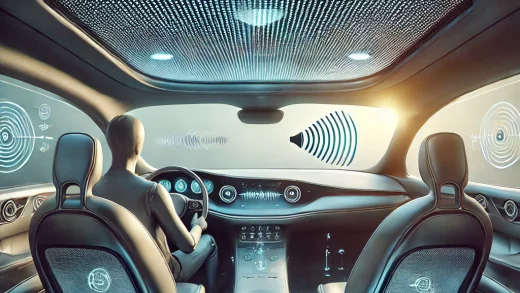
For drivers, this means that every trip can feel different. Some automakers in the US and Europe are experimenting with augmented reality elements that overlay real-time information on the windshield, highlighting efficient driving strategies or suggesting alternative routes that save time or energy. Others use voice assistants to deliver gentle coaching or celebrate milestones, making the human-car interaction more personal and friendly.
Inspiring Healthier Habits
One of the most promising aspects of gamification in SDVs is the potential to encourage healthier, safer driving habits. By turning good behavior into a game, automakers can help reduce accidents and lower fuel consumption. Earning points for smooth lane changes, maintaining proper following distance, or adhering to speed limits gives drivers a reason to focus on responsible choices. These virtual rewards can add up, unlocking discounts on services, exclusive features, or even partnerships with insurance providers who reward safe driving.
This approach resonates strongly in Europe, where environmental sustainability and road safety are top priorities. It also finds a home in the US, where the sheer scale of highways and regional differences in infrastructure can make driving feel impersonal. Gamification bridges that gap, connecting drivers to their vehicle’s performance and impact.
Personalization and Evolving Experiences
Just as no two drivers are the same, gamification in SDVs does not have to follow a one-size-fits-all model. The software platforms that power these features can learn from individual behaviors and preferences, tailoring challenges and rewards over time. If a driver values energy efficiency, the system might focus on helping them improve fuel economy. If another wants to master navigating complex city streets, the system might highlight route-planning achievements. This personalization allows for a unique, ever-evolving experience that keeps drivers engaged long after they start the ignition.
Continuous software updates mean that the gamified elements can grow and improve. Automakers can refine the scoring system, introduce seasonal challenges, or even collaborate with local communities to create location-based goals. Drivers benefit from an experience that never feels static, while automakers can strengthen brand loyalty by regularly delivering fresh, enjoyable content right to the car’s dashboard.
Driving Toward the Future
Gamification in software-defined vehicles represents a natural step in the evolution of the driving experience. As cars become more like interactive platforms and less like isolated machines, there is a unique opportunity to make everyday trips more enjoyable, educational, and purposeful. In both the US and Europe, these systems can guide drivers toward better decisions, reduce stress, and ultimately reshape how we view the role of automobiles in our daily lives.
With technology advancing rapidly, the future of gamification in SDVs is poised to become even more innovative. Whether it is introducing virtual reality challenges, integrating with social networks, or expanding the scope of in-car achievements, the potential is vast. What is certain is that as gamification spreads, driving will continue to transform from a mundane task into an engaging, interactive experience that people can look forward to every time they hit the road.