As the world increasingly moves toward a greener, more sustainable future, electric vehicles (EVs) are taking center stage. At the heart of these revolutionary vehicles lies the technology that powers them: the battery. While the industry has made significant progress in EV battery technology over the years, several exciting developments are pushing the limits of what’s possible. From faster charging times to longer ranges, the future of EV batteries looks brighter than ever. In this blog, we’ll explore the most promising EV battery technologies that are making waves across the automotive industry in the US and Europe.
Solid-State Batteries: A Game Changer in Efficiency
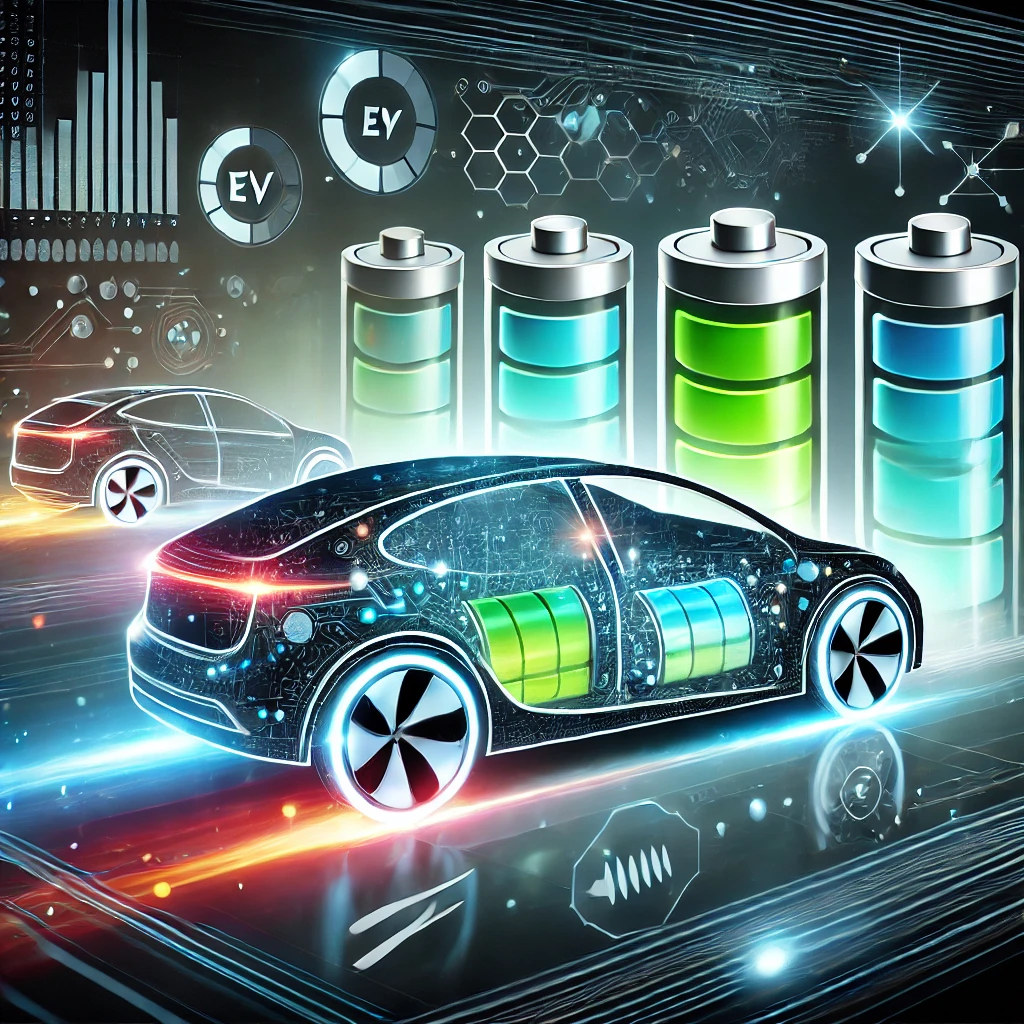
Solid-state batteries are one of the most highly anticipated advancements in EV battery technology. Unlike conventional lithium-ion batteries that use a liquid electrolyte to conduct ions, solid-state batteries replace the liquid electrolyte with a solid material. This shift brings several potential benefits, including higher energy density, faster charging times, and enhanced safety.
Solid-state batteries are also expected to be much more stable than current lithium-ion batteries, reducing the risk of overheating and fires—a common concern with traditional EV batteries. As manufacturers continue to develop solid-state technology, it’s likely that we’ll see more efficient and reliable batteries powering electric vehicles, offering longer driving ranges and quicker recharging times.
Lithium-Sulfur Batteries: The Next Step in Energy Density
Lithium-sulfur (Li-S) batteries are another technology that’s rapidly gaining attention in the EV industry. These batteries utilize sulfur instead of the more traditional nickel or cobalt used in lithium-ion batteries, resulting in a much lighter and more cost-effective solution. Li-S batteries offer a significantly higher energy density, which translates into longer range for electric vehicles on a single charge.
Moreover, sulfur is an abundant and environmentally friendly material, making Li-S batteries an attractive option for both automakers and consumers who are increasingly focused on sustainability. Although still in the development phase, several major players in the EV industry are investing in lithium-sulfur research, and we may see these batteries begin to appear in EVs sooner than expected.
Graphene Batteries: Enhancing Performance and Sustainability
Graphene, a material made up of a single layer of carbon atoms, has been hailed as one of the most promising materials for enhancing battery performance. Graphene batteries have the potential to deliver faster charging times, higher capacity, and longer lifespan compared to traditional lithium-ion batteries. What sets graphene batteries apart is their ability to conduct electricity more efficiently, which leads to quicker charging and better overall performance.
In addition to these performance enhancements, graphene batteries are also environmentally friendly. Graphene is a more sustainable material than many of the metals used in current batteries, such as cobalt and nickel, which are associated with mining concerns and environmental impact. As research into graphene battery technology progresses, it’s likely that we’ll see a shift toward these more efficient and sustainable solutions in the EV market.
Battery Recycling and Second-Life Solutions: Sustainability at the Core
As EV adoption continues to rise, so too does the need for effective battery recycling and second-life solutions. The environmental impact of disposing of used batteries is a growing concern, but recent advances in battery recycling technology are offering promising solutions. Companies in the US and Europe are working on developing methods to recycle and repurpose used EV batteries, reducing waste and making the most of the valuable materials inside.
Second-life battery solutions, where old EV batteries are repurposed for use in energy storage systems, are also gaining traction. These repurposed batteries can be used to store renewable energy, helping to balance grid demand and support clean energy initiatives. As recycling technologies improve and second-life applications become more widespread, the sustainability of electric vehicles will continue to improve, making EVs even more eco-friendly.
Fast Charging Technologies: A Leap Forward in Convenience
One of the major challenges for EV owners has been charging times. While EVs are already more convenient than ever, long charging periods still represent a barrier for many potential buyers. However, fast-charging technology is making significant strides toward solving this problem. New developments in ultra-fast charging networks and battery technology are reducing charging times to as little as 15-20 minutes for some vehicles, putting EVs on par with refueling times for traditional vehicles.
Innovative charging solutions, such as wireless charging and ultra-high-power chargers, are also in the works. These advancements will make EVs more convenient for consumers, as they will be able to charge their vehicles in a fraction of the time, whether they are at home or on the go.
The Road Ahead: A Cleaner, Greener Future
As these cutting-edge EV battery technologies continue to evolve, the automotive industry is on the brink of a major transformation. The promise of longer driving ranges, faster charging, and more sustainable solutions makes the future of electric vehicles incredibly exciting. With companies across the US and Europe investing heavily in these innovative technologies, it’s only a matter of time before we see the next generation of EV batteries hit the market. As the technology improves, the adoption of electric vehicles will only continue to grow, creating a cleaner, greener future for us all.
The race for better EV batteries is far from over, and these exciting developments show just how far the industry has come. Keep an eye on these emerging technologies, as they are set to define the next era of electric mobility.