As vehicles become increasingly sophisticated, the technology driving them has shifted from hardware to software. At the core of this transformation are vehicle operating systems (OS) and middleware, which act as the foundation for modern connected and autonomous cars. These components are redefining how vehicles are built, operated, and maintained, shaping the future of the automotive industry in the U.S. and Europe.
In this blog, we’ll explore what vehicle operating systems and middleware are, why they matter, and how they’re driving innovation across the automotive landscape.
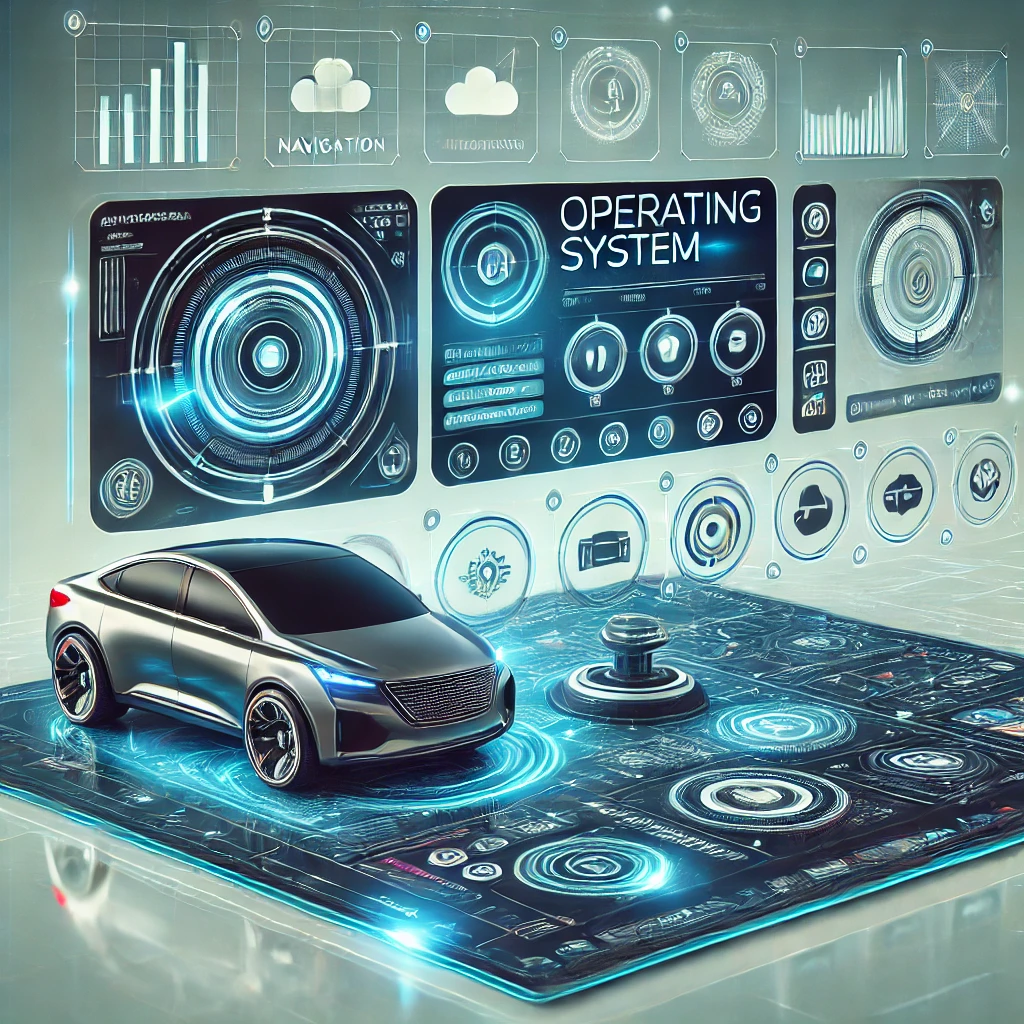
What Are Vehicle Operating Systems and Middleware?
A vehicle operating system is the software platform that manages a car’s hardware and software components, much like the operating system on a computer or smartphone. It acts as the brain of the vehicle, handling everything from controlling the engine and brakes to enabling advanced driver-assistance systems (ADAS) and infotainment features.
Middleware, on the other hand, serves as the bridge between the operating system and the applications running on top of it. It ensures that different software components can communicate seamlessly, regardless of the hardware they rely on. Middleware simplifies the development process by providing a standardized framework, making it easier for automakers and third-party developers to create new features and functionalities.
Together, vehicle operating systems and middleware enable the integration of complex systems, allowing modern cars to offer features like over-the-air updates, real-time navigation, and autonomous driving capabilities.
The Importance of Vehicle Operating Systems
In today’s automotive industry, vehicle operating systems are more critical than ever. As cars become smarter and more connected, the need for a centralized platform to manage their growing complexity has increased. A robust vehicle OS ensures that all components work together harmoniously, delivering a seamless experience for drivers and passengers.
In the U.S., where drivers often rely on vehicles for long commutes and road trips, an efficient operating system can enhance comfort and convenience. Features like adaptive cruise control, voice-activated assistants, and personalized settings rely on a well-integrated OS to function smoothly.
In Europe, where urban driving and strict emissions regulations are more common, vehicle operating systems play a vital role in optimizing fuel efficiency and reducing environmental impact. By managing systems like regenerative braking and energy consumption, the OS helps automakers meet sustainability goals while improving performance.
Middleware: Enabling Innovation and Flexibility
Middleware is the unsung hero of modern vehicles, providing the flexibility needed to support a wide range of applications. By abstracting the complexities of hardware, middleware allows developers to focus on creating innovative software solutions without worrying about compatibility issues.
For automakers in the U.S. and Europe, middleware is key to enabling features like connected car services, enhanced safety systems, and autonomous driving technologies. It also supports the integration of third-party apps and services, such as navigation tools, streaming platforms, and smart home connectivity.
In an era where consumers expect their cars to function as seamlessly as their smartphones, middleware ensures that vehicles remain adaptable and future-proof. It allows automakers to roll out updates and new features without requiring hardware changes, keeping vehicles relevant long after they’re sold.
Supporting Autonomous and Electric Vehicles
The rise of autonomous and electric vehicles (EVs) has further highlighted the importance of vehicle operating systems and middleware. Autonomous vehicles rely on advanced algorithms, sensor data, and real-time decision-making, all of which require a powerful and reliable OS. Middleware ensures that these systems can process and share data efficiently, enabling the vehicle to navigate complex environments safely.
For EVs, the OS and middleware manage critical functions like battery monitoring, energy optimization, and charging station integration. In Europe, where EV adoption is accelerating due to environmental regulations, these technologies are essential for creating sustainable and user-friendly vehicles. In the U.S., where range anxiety remains a concern, a well-designed operating system can help maximize battery performance and streamline the charging process.
The Future of Vehicle Operating Systems and Middleware
As the automotive industry continues to embrace digital transformation, vehicle operating systems and middleware will remain at the forefront of innovation. Automakers in the U.S. and Europe are investing heavily in software development, recognizing its potential to redefine the driving experience.
The future of these technologies includes greater integration with artificial intelligence and cloud computing. Vehicles will become even more intelligent, capable of learning driver preferences, predicting maintenance needs, and adapting to changing conditions in real time. Middleware will continue to play a crucial role in enabling collaboration between automakers, tech companies, and service providers, fostering a more connected and sustainable mobility ecosystem.
Driving the Automotive Revolution
Vehicle operating systems and middleware are no longer just technical components—they are the backbone of modern automotive innovation. By enabling seamless communication, enhancing functionality, and supporting new technologies, these systems are transforming how vehicles are designed, built, and experienced.
For drivers in the U.S. and Europe, this means smarter, safer, and more connected cars that adapt to their needs and keep pace with the rapid advancements in technology. As automakers continue to innovate, the importance of vehicle operating systems and middleware will only grow, driving the automotive revolution forward.