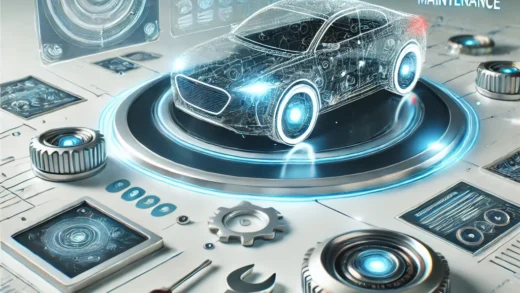
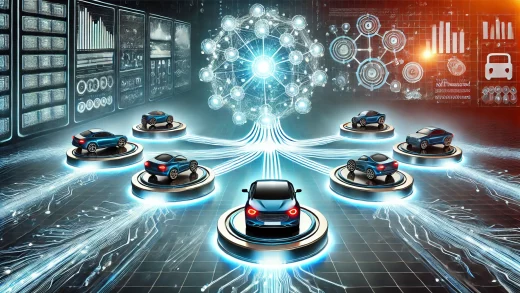
The automotive industry is undergoing a seismic transformation. While electric vehicles (EVs) and self-driving cars have dominated the headlines, a quieter yet equally revolutionary shift is happening behind the scenes: the rise of AI-designed cars. These vehicles, crafted with the help of artificial intelligence, represent a future where efficiency, safety, and innovation come together seamlessly.
What Are AI-Designed Cars?
AI-designed cars refer to vehicles where artificial intelligence is used in the design and development process. Unlike traditional methods, where human engineers spend months or even years fine-tuning designs, AI can process millions of configurations in a fraction of the time. By leveraging machine learning, algorithms analyze vast amounts of data to create optimal designs for aerodynamics, safety, energy efficiency, and even interior layouts.
This approach goes beyond aesthetics. AI can predict and adapt to market trends, creating designs that not only look futuristic but also meet the practical demands of consumers. It’s a collaborative process where human creativity and AI precision come together to push the boundaries of what’s possible.
The Benefits of AI in Automotive Design
One of the most exciting aspects of AI-designed cars is their potential to address some of the most pressing challenges in the industry. For starters, AI can make vehicles safer. By analyzing crash test data and real-world driving patterns, AI can recommend structural improvements that maximize safety. This has the potential to reduce the severity of accidents and save lives.
Another benefit is sustainability. As the world transitions to a greener future, AI is playing a pivotal role in optimizing designs for energy efficiency. It can identify ways to reduce drag, minimize weight, and extend battery life in EVs. This not only reduces emissions but also helps manufacturers meet stringent environmental regulations in the US and Europe.
AI also streamlines the manufacturing process. By predicting potential flaws and bottlenecks, it helps automakers save time and resources. This results in lower production costs, which could eventually lead to more affordable vehicles for consumers.
Examples of AI-Driven Innovations
The integration of AI into car design is no longer a concept confined to research labs—it’s already happening. Major automotive brands and startups are using generative design tools powered by AI to craft unique vehicle architectures. For example, some companies are employing AI to create lightweight chassis that don’t compromise on strength or durability.
Interior design is also seeing a shift. AI can analyze consumer preferences to craft customizable cabin spaces. From adaptive seating configurations to advanced infotainment systems, the potential for personalization is endless.
Even exterior design is being influenced by AI. Algorithms are creating more aerodynamic shapes that not only improve fuel efficiency but also contribute to striking, futuristic aesthetics. AI’s involvement ensures that these designs are not just visually appealing but also functional and market-ready.
Addressing Concerns About AI in Car Design
Like any technological advancement, the rise of AI in car design has sparked concerns. Some worry about the potential loss of human creativity, while others fear over-reliance on machines. However, AI is not here to replace human designers; it’s a tool to enhance their capabilities. By handling repetitive and data-heavy tasks, AI frees up designers to focus on creativity and innovation.
Another concern is data privacy. Since AI relies on vast amounts of information, automakers must prioritize the ethical use of data. Strict compliance with regulations like GDPR in Europe and privacy laws in the US is essential to build consumer trust.
What the Future Holds
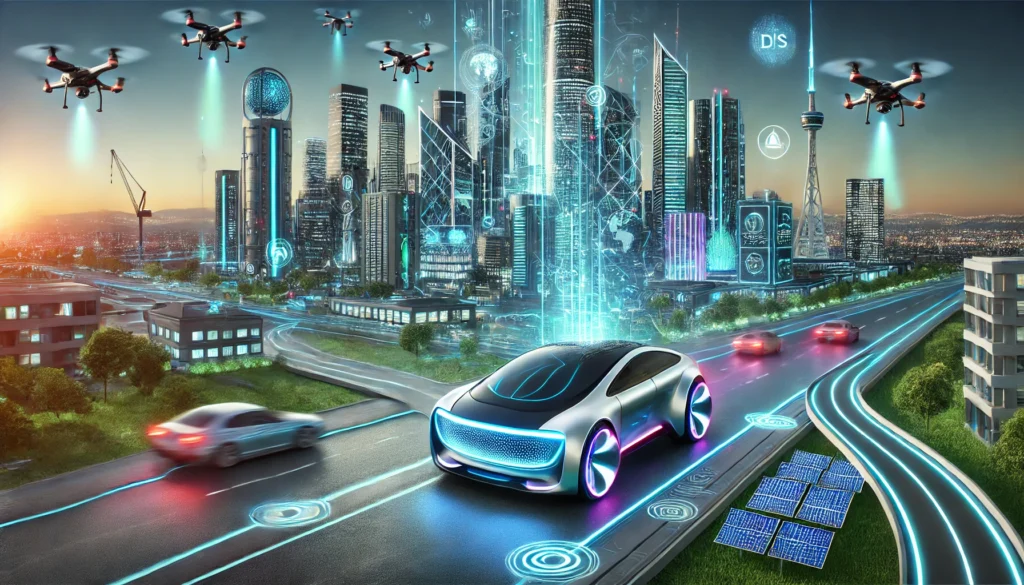
The potential of AI-designed cars goes beyond creating better vehicles. It’s about reimagining the way we move and interact with transportation. Picture a world where every vehicle on the road is optimized for efficiency and safety, significantly reducing accidents and emissions. Imagine personalized cars that adapt to your preferences, from seat temperature to driving style.
In the future, AI could even enable vehicles to self-design, allowing them to evolve based on user feedback and real-world performance. This kind of adaptability could transform the industry, making cars more responsive to individual and societal needs.
Embracing the Shift
The automotive industry is at a crossroads, and AI is poised to drive it into a new era. For consumers in the US and Europe, this means more sustainable, safer, and innovative vehicles. For manufacturers, it offers an opportunity to stay competitive in an ever-evolving market.
As we look ahead, the role of AI in car design is not just about creating smarter vehicles; it’s about paving the way for smarter mobility solutions. From concept to completion, AI is reshaping the journey—one innovation at a time.
Closing Thoughts
AI-designed cars are more than just a technological marvel; they represent a future where technology and humanity work in harmony to create something extraordinary. By embracing this change, we’re not just building better cars; we’re driving toward a better world.
With advancements accelerating, the road ahead for AI-designed cars is as exciting as it is transformative. Stay tuned—it’s a journey you won’t want to miss.