Tesla’s self-driving systems have sparked global attention for their innovation, pushing the boundaries of what autonomous driving can achieve. While the promise of cars that navigate themselves is exciting, safety remains a critical priority for Tesla. To build trust and ensure road safety, Tesla has developed robust fail-safe mechanisms within its self-driving technology. These systems are designed to step in during unexpected situations, ensuring that drivers, passengers, and pedestrians remain safe.
Let’s explore how Tesla incorporates fail-safe mechanisms into its self-driving systems and why they are crucial for autonomous driving, particularly in the U.S. and Europe.
What Are Fail-Safe Mechanisms?
Fail-safe mechanisms are designed to handle errors or malfunctions in a system without compromising safety. In the context of Tesla’s self-driving systems, fail-safes act as safeguards that ensure the vehicle can maintain control or safely hand control back to the driver when necessary. These mechanisms protect against technical glitches, sensor errors, or unexpected scenarios on the road.
Tesla’s fail-safe systems are deeply integrated into its hardware and software, providing multiple layers of protection. By combining artificial intelligence, real-time data analysis, and hardware redundancy, Tesla ensures that its self-driving vehicles are equipped to handle a variety of challenges.
Redundancy in Critical Systems
One of Tesla’s primary fail-safe strategies is redundancy. In aviation and other safety-critical industries, redundancy ensures that if one system fails, a backup system takes over. Tesla employs this approach in its self-driving systems, particularly in areas like steering, braking, and power supply.
For instance, Tesla vehicles have redundant electric motors and power systems, allowing the car to remain operational even if one component malfunctions. Similarly, Tesla’s self-driving software has backup processes that can detect errors in decision-making and recalibrate the system in real time. This level of redundancy is vital for ensuring that the vehicle can maintain control in critical situations.
Real-Time Driver Alerts
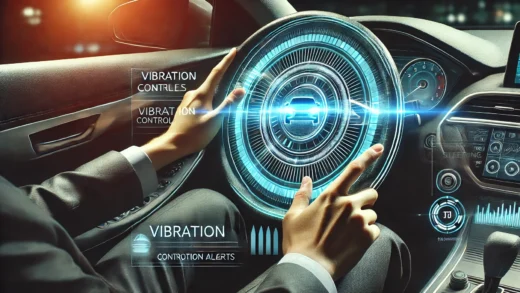
Tesla’s self-driving systems are not fully autonomous yet, which means that drivers are still required to stay attentive. To ensure this, Tesla employs real-time driver monitoring as part of its fail-safe mechanisms. The system uses sensors and cameras to track driver engagement, detecting whether the driver’s hands are on the wheel and their eyes are on the road.
If the system detects inattentiveness, it issues audio and visual alerts to prompt the driver to regain focus. In cases where the driver fails to respond, Tesla’s fail-safe mechanism will gradually slow down the vehicle, bring it to a stop, and activate hazard lights to ensure the safety of the vehicle and its occupants.
Sensor Fusion and Failover Protocols
Tesla’s self-driving technology relies on a combination of cameras, radar, and ultrasonic sensors to interpret the environment. This is known as sensor fusion, where data from multiple sensors is combined to create a comprehensive understanding of the surroundings.
If one sensor fails or provides inaccurate data, Tesla’s fail-safe system relies on data from other sensors to continue operation. For example, if a camera is obscured by rain or dirt, the radar and ultrasonic sensors can compensate by providing alternative inputs. This multi-sensor approach ensures that the vehicle can operate safely even when some sensors encounter issues.
Emergency Braking and Collision Avoidance
Fail-safe mechanisms also include emergency braking and collision avoidance systems. Tesla’s self-driving vehicles are equipped with advanced object detection technology that can identify vehicles, pedestrians, and obstacles in real time. If a potential collision is detected, the system can automatically apply the brakes to prevent or minimize the impact.
This feature is particularly important in both urban environments and highways, where sudden obstacles or traffic changes can pose risks. In Europe, where narrow streets and dense pedestrian traffic are common, these fail-safe systems help ensure safety in complex scenarios.
Over-the-Air Updates for Continuous Improvement
Another unique aspect of Tesla’s fail-safe mechanisms is the ability to improve over time. Tesla vehicles receive over-the-air software updates, allowing the company to refine fail-safe systems and address vulnerabilities based on real-world data.
For drivers in the U.S. and Europe, this means their Tesla vehicles are continuously updated with the latest safety protocols and AI improvements. These updates often include enhanced fail-safe measures, ensuring that Tesla’s self-driving systems remain at the cutting edge of safety.
Preparing for Edge Cases
One of the biggest challenges in self-driving technology is handling edge cases—rare and unpredictable scenarios that don’t fit standard patterns. Tesla’s fail-safe mechanisms are designed to address these situations by either safely handing control back to the driver or bringing the vehicle to a controlled stop.
For example, if the self-driving system encounters a construction zone with unclear road markings or unusual traffic patterns, it will prompt the driver to take control. This approach ensures that the system prioritizes safety over continuing autonomous operation in uncertain conditions.
Building Trust in Autonomous Driving
Fail-safe mechanisms are central to Tesla’s goal of building trust in autonomous driving technology. By ensuring that their self-driving systems are equipped to handle malfunctions and unexpected scenarios, Tesla demonstrates a commitment to safety that aligns with the high regulatory standards of both the U.S. and Europe.
While full autonomy is still a work in progress, Tesla’s fail-safe systems are laying the foundation for a safer and more reliable future. For drivers and passengers, these mechanisms provide peace of mind, knowing that Tesla’s technology is designed to protect them in any situation.