As urban areas grapple with air pollution concerns, the adoption of electric vehicles (EVs) and hybrids has emerged as a promising solution to improve air quality and reduce harmful emissions. In the United States, the shift towards cleaner transportation options is gaining momentum, with EVs and hybrids playing a significant role in addressing urban air quality challenges. Let’s explore how EVs and hybrids are making a positive impact on urban air quality in the US.

Reducing Tailpipe Emissions: Cleaner Air for Cities
One of the most significant benefits of EVs and hybrids is their ability to reduce tailpipe emissions, which are a major contributor to air pollution in urban areas. Unlike conventional gasoline-powered vehicles, EVs produce zero tailpipe emissions, while hybrids produce lower emissions due to their combination of electric and gasoline propulsion. By transitioning to electric and hybrid vehicles, cities can significantly reduce harmful pollutants such as nitrogen oxides (NOx), particulate matter (PM), and carbon dioxide (CO2), leading to cleaner and healthier air for residents.
Improving Air Quality Index: Healthier Communities
The adoption of EVs and hybrids has a direct impact on urban air quality, as evidenced by improvements in the Air Quality Index (AQI) in cities across the US. The AQI measures the concentration of pollutants in the air and provides a numerical value to indicate the level of air quality. By reducing emissions from transportation sources, including vehicles, EVs and hybrids contribute to lower AQI levels, which translates to healthier communities and reduced risks of respiratory illnesses, cardiovascular diseases, and other health problems associated with air pollution.
Mitigating Smog and Ozone Formation: Environmental Benefits
EVs and hybrids play a crucial role in mitigating smog and ozone formation, which are common air quality challenges in urban areas. Smog, which is a mixture of pollutants such as nitrogen oxides and volatile organic compounds (VOCs), can have detrimental effects on human health and the environment. By reducing emissions of these pollutants, EVs and hybrids help decrease smog formation and improve visibility in cities. Additionally, the shift towards cleaner transportation options helps reduce ozone levels, which can have harmful effects on respiratory health and contribute to climate change.
Addressing Environmental Justice: Equity and Access
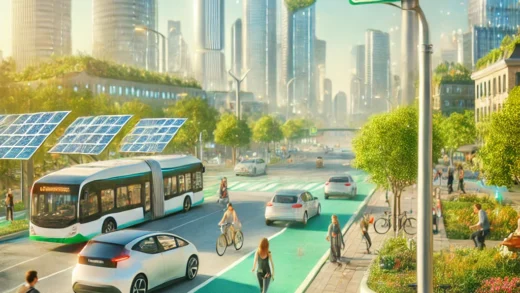
The adoption of EVs and hybrids also has implications for environmental justice, as low-income and marginalized communities are disproportionately affected by air pollution. By reducing emissions from transportation sources, including vehicles, EVs and hybrids help address environmental disparities and improve air quality in underserved communities. Initiatives to increase access to clean transportation options, such as electric buses and car-sharing programs, can further promote equity and ensure that all residents have access to cleaner air and healthier environments.
Promoting Sustainable Transportation: Future Outlook
As the transportation sector continues to evolve, the widespread adoption of EVs and hybrids is expected to play a pivotal role in promoting sustainable transportation solutions. With advancements in battery technology, charging infrastructure, and renewable energy integration, EVs and hybrids are becoming more accessible and affordable for consumers. Government incentives, rebates, and regulations are also driving the transition towards cleaner transportation options, further accelerating the shift away from traditional gasoline-powered vehicles.
In conclusion, the adoption of EVs and hybrids is making a significant impact on urban air quality in the US, leading to cleaner air, healthier communities, and environmental benefits. By reducing tailpipe emissions, improving AQI levels, mitigating smog and ozone formation, addressing environmental justice concerns, and promoting sustainable transportation, EVs and hybrids are paving the way towards a cleaner, healthier future for all. As cities continue to prioritize clean air and sustainability, the role of EVs and hybrids will only grow in importance, driving us towards a more sustainable and resilient transportation system.