India is emerging as a significant player in the global automotive market, transforming itself from a domestic-focused industry to a key contributor to the worldwide automotive landscape. Known for its engineering talent, cost-effective manufacturing, and a rapidly expanding domestic market, India is attracting global automakers and playing a pivotal role in shaping the future of mobility.
With its unique combination of innovation, adaptability, and scale, India is not just a market for vehicles but also a hub for designing, engineering, and exporting high-quality automotive solutions.
A Thriving Automotive Hub
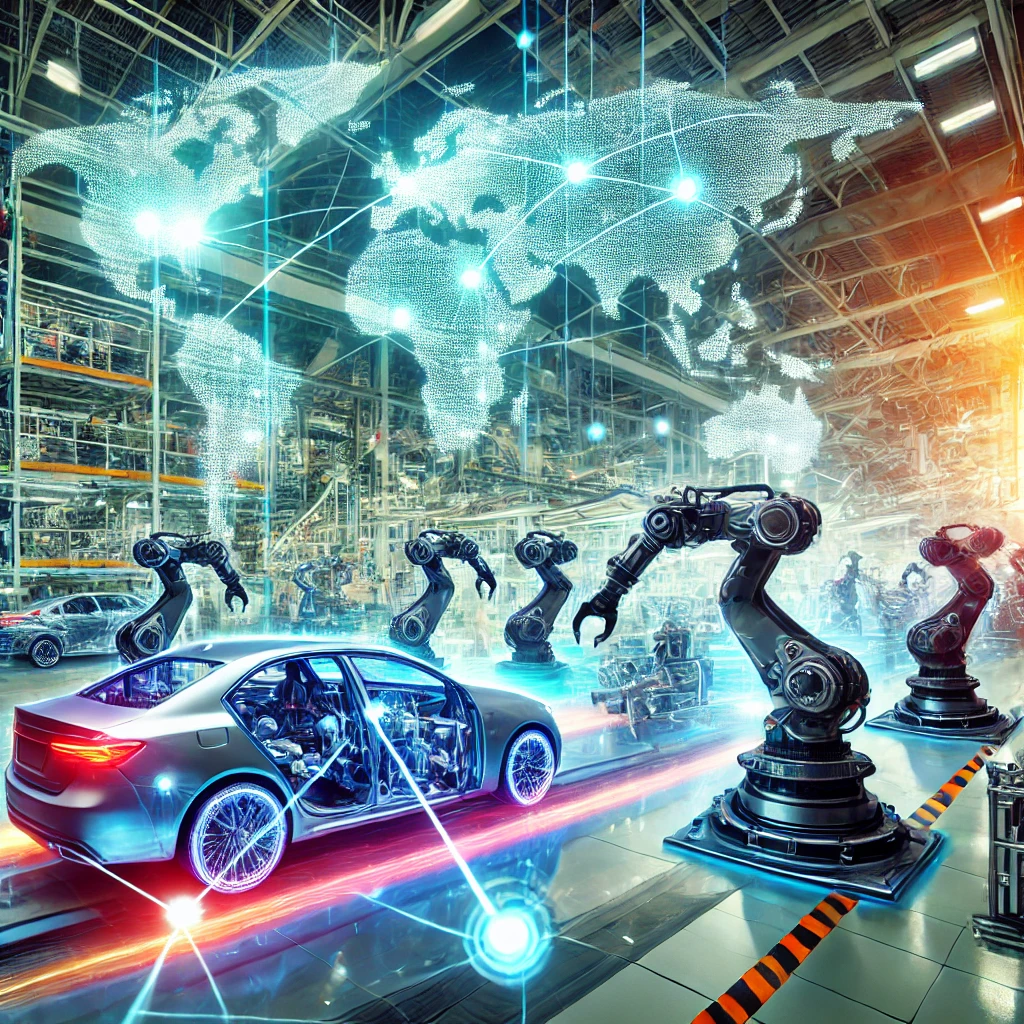
India’s automotive industry is one of the largest in the world and continues to grow at an impressive pace. The country is home to a diverse range of manufacturers, from domestic giants like Tata Motors and Mahindra & Mahindra to international names like Suzuki, Hyundai, and Ford. This ecosystem is supported by a strong network of suppliers, engineers, and technology providers.
One of the key drivers of India’s automotive success is its manufacturing capabilities. The nation has become a favored destination for global automakers seeking cost-efficient production without compromising quality. With initiatives like “Make in India,” the government has encouraged both local and foreign companies to invest in the country’s automotive infrastructure.
India’s ability to produce vehicles at competitive costs has made it a global leader in the small car segment. Compact cars designed and manufactured in India are exported to markets around the world, earning a reputation for reliability and affordability. This success has positioned India as a critical export hub for global automakers.
A Booming Domestic Market
India’s domestic market is another major factor contributing to its growing role in the global automotive industry. With a population of over 1.4 billion and a rapidly expanding middle class, the demand for vehicles is steadily increasing. Two-wheelers dominate the Indian market due to their affordability and convenience, but the demand for passenger cars, SUVs, and commercial vehicles is also on the rise.
The country’s younger demographic is driving this growth, with a preference for technologically advanced vehicles that offer both style and functionality. Features like connected car technology, advanced safety systems, and fuel efficiency are becoming key selling points for Indian consumers.
This robust domestic demand has created opportunities for automakers to innovate and adapt their offerings to meet local preferences. Vehicles designed for India often incorporate unique features tailored to its diverse climates, road conditions, and consumer needs. These innovations not only cater to the Indian market but also enhance the global competitiveness of Indian-designed vehicles.
Embracing Electric and Sustainable Mobility
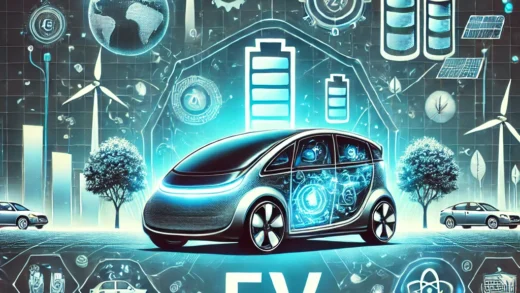
India is also playing an essential role in the global shift toward electric and sustainable mobility. The government has set ambitious goals to reduce carbon emissions and promote the adoption of electric vehicles (EVs) across the country. Incentives for EV manufacturers, subsidies for consumers, and investments in charging infrastructure are helping accelerate this transition.
Several Indian automakers are leading the way in EV development, creating affordable electric two-wheelers, three-wheelers, and passenger cars that cater to local needs. These innovations are not only transforming the domestic market but also positioning India as a global hub for electric vehicle production and exports.
India’s focus on renewable energy is further supporting this transformation. By integrating solar and wind power into the energy mix, the country is laying the foundation for a cleaner and more sustainable automotive ecosystem. This commitment to green mobility is drawing interest from international companies looking to collaborate with India on EV technology and production.
A Growing Hub for Automotive R&D
India’s role in the global automotive market extends beyond manufacturing. The country has become a hub for automotive research and development (R&D), with leading automakers establishing technology centers to design and engineer future vehicles. These R&D centers leverage India’s pool of skilled engineers and its expertise in software development and artificial intelligence.
Technologies like autonomous driving, connected car solutions, and advanced driver-assistance systems (ADAS) are being developed in India for both local and global markets. This focus on innovation is enabling India to contribute cutting-edge solutions to the global automotive industry.
The rise of startups in the automotive tech space is another testament to India’s growing influence. From electric mobility solutions to AI-driven fleet management systems, Indian startups are making waves in the global market, attracting investment and attention from international players.
The Road Ahead
India’s growing role in the global automotive market is a testament to its resilience, adaptability, and innovation. With a thriving domestic market, strong manufacturing capabilities, and a focus on sustainable mobility, India is well-positioned to shape the future of the global automotive industry.
As the world continues to embrace electric and connected vehicles, India’s contributions will become even more significant. For automakers, suppliers, and tech companies, India offers an unparalleled opportunity to be part of a dynamic and rapidly evolving market.
The journey ahead is full of promise, with India poised to not only meet its domestic needs but also redefine global automotive standards. For consumers and businesses alike, the rise of India in the automotive world signals an era of exciting possibilities and transformative change.