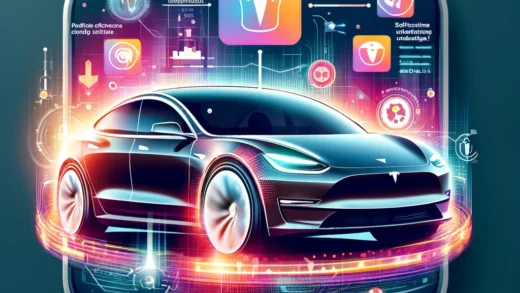
The automotive industry has always been at the forefront of innovation, transforming how we move, connect, and interact with the world. Today, one technology is reshaping the industry’s infrastructure from the ground up: blockchain. While blockchain is best known for powering cryptocurrencies, its potential extends far beyond digital currencies. In the auto sector, blockchain is paving the way for enhanced transparency, security, and efficiency in ways that were once unimaginable.
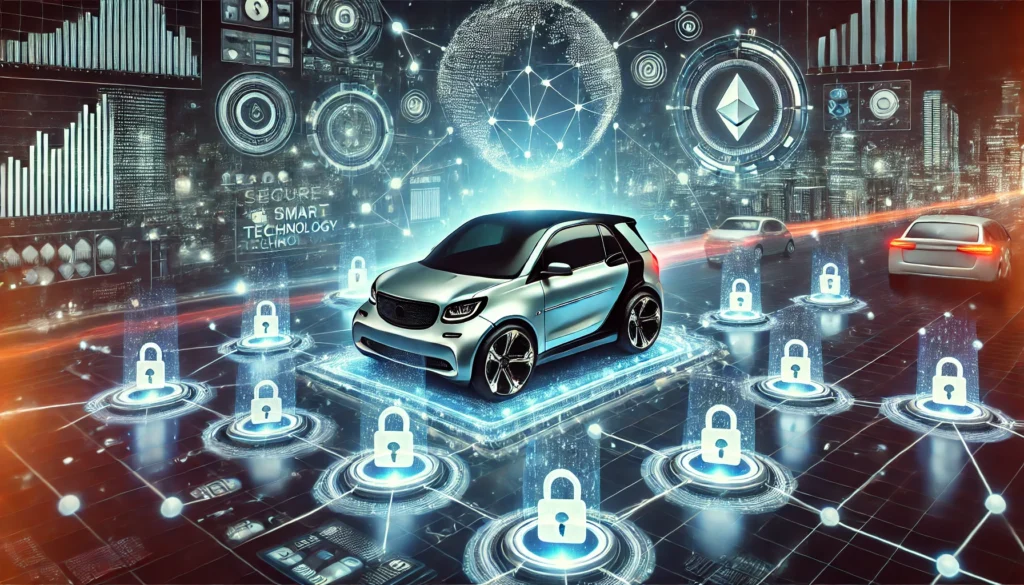
Understanding Blockchain in the Automotive World
At its core, blockchain is a decentralized and secure digital ledger. Transactions and data are stored in blocks, which are linked together in a chain that cannot be altered. This creates a transparent, tamper-proof system ideal for industries that rely on trust, data integrity, and streamlined operations.
For the automotive industry, where supply chains span continents, vehicles are increasingly connected, and trust is critical, blockchain has become a game-changer. From verifying parts in production to enabling secure autonomous vehicle networks, its applications are vast.
Streamlining Supply Chains
One of the biggest challenges for automakers is managing complex global supply chains. Parts are sourced from multiple suppliers, often crossing borders before reaching assembly plants. Blockchain technology offers a solution by providing an unalterable record of every step in the supply chain.
By using blockchain, automakers can ensure that every part is authentic, ethically sourced, and meets regulatory standards. Imagine purchasing a car and knowing exactly where its components were manufactured, how they were transported, and whether they are certified. This level of transparency builds trust with consumers and ensures compliance with increasingly stringent environmental and ethical guidelines in regions like the US and Europe.
Revolutionizing Vehicle Ownership and Sales
Blockchain is transforming the way we buy, sell, and own vehicles. Smart contracts—self-executing agreements stored on the blockchain—enable secure and seamless transactions. Whether you’re buying a new car or leasing one, smart contracts can eliminate middlemen, reduce paperwork, and speed up the process.
In the used car market, blockchain ensures transparency in vehicle histories. With blockchain-enabled records, buyers can access accurate, tamper-proof information about a vehicle’s mileage, service history, and accident reports. This reduces fraud, increases buyer confidence, and ultimately boosts the resale value of vehicles.
Powering Connected and Autonomous Vehicles
Connected and autonomous vehicles are no longer a thing of science fiction; they’re a growing reality. However, as vehicles become smarter, cybersecurity becomes a critical concern. Blockchain technology offers a secure solution for managing the enormous amounts of data generated by connected cars.
For example, blockchain can be used to securely store and share data between vehicles and infrastructure in real-time. This is particularly important for autonomous cars, which rely on accurate and trustworthy data to navigate safely. Blockchain can also protect against cyberattacks by decentralizing data storage, making it harder for hackers to compromise vehicle systems.
Driving Change in Mobility Services
As car ownership trends shift towards shared mobility and subscription-based models, blockchain is helping reshape how we access transportation. Ride-sharing platforms can use blockchain to create decentralized systems where drivers and passengers interact directly, bypassing traditional intermediaries. This reduces costs, ensures fair pricing, and enhances user privacy.
In subscription-based car ownership, blockchain simplifies payments and usage tracking. For instance, if a subscriber uses a vehicle for a predetermined number of miles or days, a smart contract can automatically manage billing without the need for manual processing.
Electric Vehicles and Energy Management
Electric vehicles (EVs) are a key focus in the transition to a greener future, and blockchain is playing a pivotal role in supporting EV adoption. Blockchain enables transparent energy trading networks, where EV owners can buy and sell electricity peer-to-peer. This not only encourages renewable energy use but also makes EV charging more accessible and affordable.
Moreover, blockchain can track the lifecycle of EV batteries, from production to recycling. This helps ensure compliance with environmental regulations and builds a circular economy for battery materials, addressing a major concern for the EV industry.
Challenges and Future Potential
While blockchain offers transformative potential, it’s not without challenges. The technology is still maturing, and its adoption requires collaboration across industries, governments, and stakeholders. Scalability and energy consumption are key concerns, particularly as blockchain networks grow. However, advancements such as energy-efficient consensus mechanisms are addressing these issues, paving the way for broader adoption.
In the US and Europe, regulatory clarity is crucial for blockchain’s success in the automotive sector. Policymakers are working to establish standards that ensure security and interoperability while encouraging innovation. As these efforts progress, the integration of blockchain in automotive applications is set to accelerate.
The Road Ahead
Blockchain is no longer just a buzzword; it’s a transformative force driving innovation across the automotive landscape. From streamlining supply chains to enabling secure data sharing for autonomous vehicles, its potential is vast and exciting. As the automotive industry embraces this technology, it is set to redefine how we interact with cars, roads, and the environment.
For automakers, regulators, and consumers, blockchain represents a future where transparency, security, and efficiency are not just aspirations but standard features. Whether you’re a tech enthusiast, a car lover, or simply curious about the future of transportation, blockchain is a revolution worth watching.
The next time you step into a car, consider the possibilities that blockchain technology brings. It’s not just about driving forward; it’s about transforming every aspect of the journey.