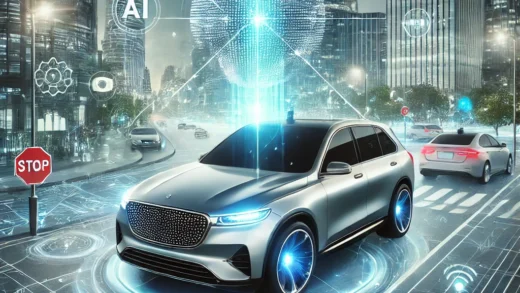
The automotive world is undergoing a digital transformation, and at the heart of this evolution lies car-to-cloud connectivity. This groundbreaking technology is redefining how vehicles interact with their surroundings, transforming driving into a seamless, intelligent experience. For drivers in the US and Europe, car-to-cloud systems are more than just a convenience—they represent the future of safer, smarter, and more efficient transportation.
What is Car-to-Cloud Connectivity?
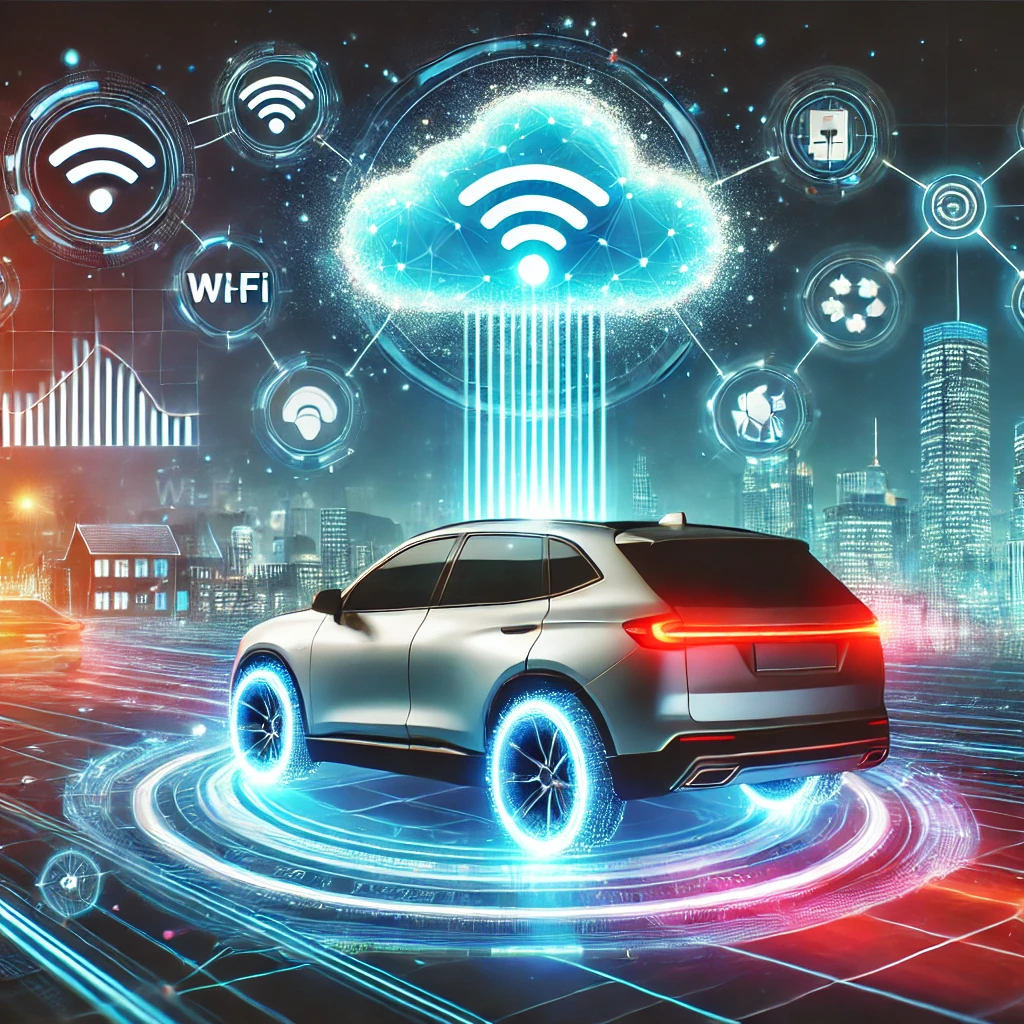
Car-to-cloud connectivity refers to the ability of vehicles to communicate with cloud-based systems via the internet. This interaction allows cars to share data, receive updates, and adapt to changing conditions in real time. Imagine your vehicle knowing about traffic jams before you hit the road, downloading the latest software update while you sleep, or even learning your preferences to create a personalized driving experience. All of this is made possible by connecting vehicles to the cloud.
With advancements in 5G networks and edge computing, car-to-cloud connectivity is becoming faster and more reliable. These improvements are especially vital in 2024, as automakers integrate more complex features that depend on instantaneous data exchange.
Smarter, Safer, and More Efficient Driving
One of the most exciting benefits of car-to-cloud connectivity is its impact on road safety. Connected vehicles can access real-time traffic and weather updates, helping drivers avoid hazardous conditions. In Europe, where winter weather can be unpredictable, this feature is particularly valuable. Similarly, in the US, where long road trips are common, connectivity ensures smoother journeys by rerouting drivers around congestion and accidents.
Car-to-cloud technology also plays a crucial role in enhancing vehicle performance. Regular over-the-air (OTA) updates allow manufacturers to fix bugs, improve software, and even introduce new features without the need for a trip to the dealership. This ensures your car remains up-to-date and capable of delivering peak performance throughout its lifecycle.
For electric vehicle (EV) owners, car-to-cloud systems provide a new level of convenience. Connected EVs can identify nearby charging stations, check their availability, and even reserve a slot for you. In a growing EV market across Europe and the US, these features are transforming range anxiety into range confidence.
Personalized Experiences on the Go
Today’s drivers expect their vehicles to be as connected as their smartphones, and car-to-cloud technology delivers on this promise. Advanced systems can learn driver preferences, from favorite music playlists to preferred cabin temperatures. These features make every trip more enjoyable by creating a tailored in-car experience.
The integration of voice assistants powered by artificial intelligence (AI) takes this personalization even further. Imagine asking your car to plan the fastest route, recommend nearby restaurants, or remind you of your schedule. In 2024, car-to-cloud connectivity ensures your vehicle is more than just a mode of transportation—it’s your personal assistant on wheels.
Boosting Sustainability and Efficiency
Sustainability is a key focus for the automotive industry in 2024, and car-to-cloud technology is helping manufacturers and drivers reduce their environmental footprint. Connected vehicles can monitor their energy usage, optimize fuel efficiency, and suggest eco-friendly driving habits. This is especially important in Europe, where strict emissions regulations are driving innovation, and in the US, where EV adoption is rapidly expanding.
Fleet operators are also leveraging car-to-cloud systems to manage their vehicles more efficiently. By analyzing data on fuel consumption, maintenance schedules, and route optimization, businesses can cut costs and reduce emissions, aligning with global sustainability goals.
Overcoming Challenges in Connectivity
While car-to-cloud technology offers numerous advantages, it’s not without its challenges. Data security is a top concern, as connected vehicles exchange vast amounts of information. Automakers in the US and Europe are prioritizing cybersecurity, employing encryption and multi-layered protection to safeguard sensitive data.
Another hurdle is ensuring seamless connectivity in remote areas. While 5G networks are expanding, there are still gaps in coverage, particularly in rural regions. Automakers are working with telecommunications providers to address these issues, ensuring consistent performance no matter where you drive.
Finally, the sheer volume of data generated by connected vehicles requires robust cloud infrastructure. Companies are investing in scalable, secure cloud platforms to manage this influx of information and deliver reliable services to drivers.
The Road Ahead for Car-to-Cloud Technology
As we move through 2024, car-to-cloud connectivity is becoming a standard feature across a wide range of vehicles. Automakers are collaborating with tech giants to push the boundaries of innovation, creating systems that are smarter, faster, and more user-friendly. For drivers in the US and Europe, this means a future where cars are not just machines but intelligent companions that make every journey safer, smoother, and more enjoyable.
The potential of car-to-cloud technology is immense, and its impact on the automotive industry is only beginning. From autonomous driving to enhanced sustainability, connected vehicles are paving the way for a new era of mobility. As this technology continues to evolve, one thing is certain: the connected car of 2024 is no longer a vision of the future—it’s a reality that’s already transforming how we drive.
By embracing car-to-cloud connectivity, automakers and drivers alike are embarking on a journey toward smarter roads, greener travel, and a more connected world.