

Innovation in the automotive and retail industries is taking to the streets—literally. Car-based mobile retail stores are emerging as a dynamic solution for businesses seeking to adapt to changing consumer behaviors, offering unparalleled convenience and a personalized shopping experience. Across the US and Europe, these innovative vehicles are redefining how we shop and interact with brands.
A New Era of Shopping on Wheels
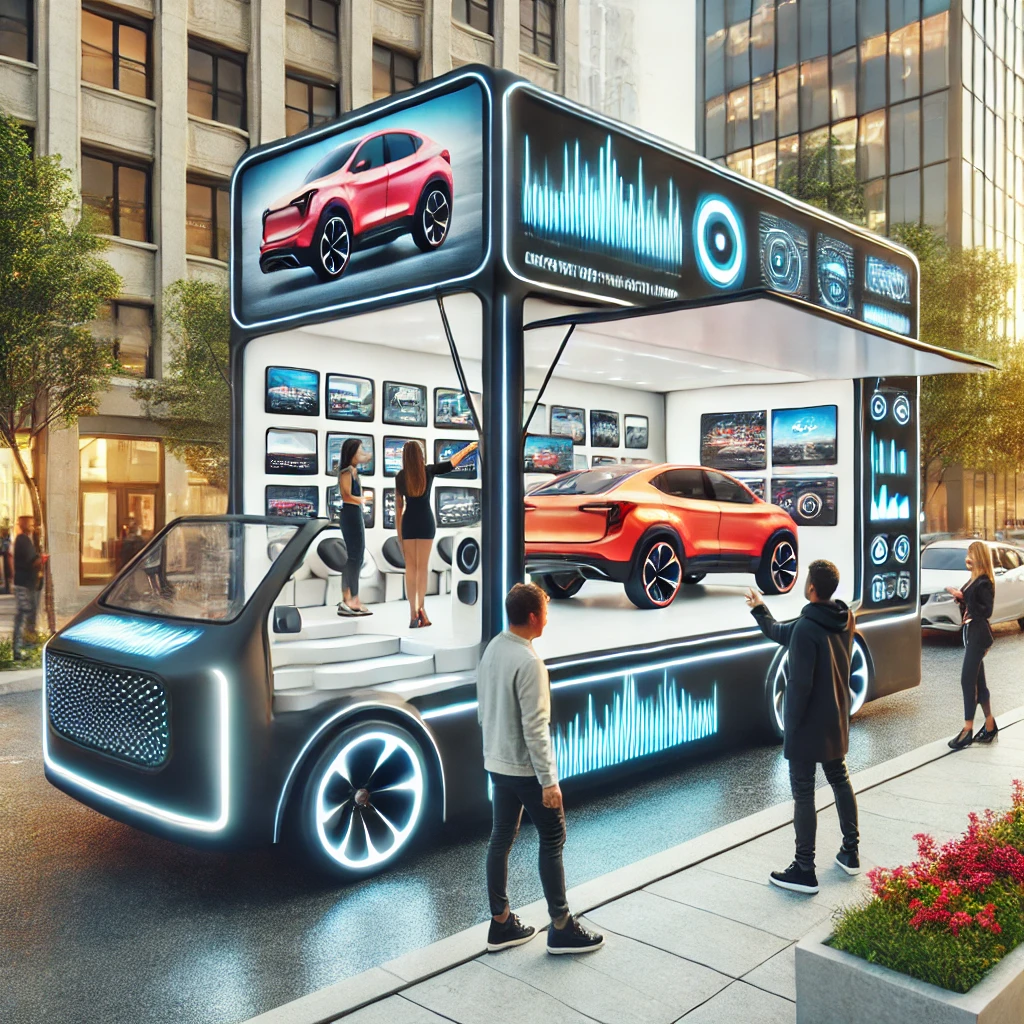
Car-based mobile retail stores combine mobility with commerce, creating a unique shopping environment that brings products directly to customers. These vehicles are not just pop-up stores on wheels; they are sophisticated, tech-driven retail spaces designed to engage, attract, and delight shoppers wherever they are.
In cities across Europe, mobile stores are weaving through busy streets, parking in strategic locations, and offering curated shopping experiences. In the US, these vehicles are making appearances at local events, festivals, and suburban neighborhoods, allowing brands to connect with their customers in new and creative ways.
This concept is fueled by the rising demand for convenience, as consumers continue to prioritize experiences that save time and effort. With the ability to provide instant access to products and services, car-based retail stores are meeting these expectations while fostering closer connections between brands and their customers.
How Technology Powers the Mobile Retail Revolution
At the heart of these mobile retail solutions is cutting-edge technology. The vehicles themselves are often equipped with digital payment systems, inventory tracking software, and AI-driven tools to analyze customer preferences. This enables retailers to adapt their offerings based on location-specific demand, ensuring that every stop resonates with local shoppers.
In 2024, advancements in connectivity, such as 5G, are enhancing the capabilities of mobile retail stores. Real-time data sharing allows operators to update inventory, process transactions, and even offer augmented reality (AR) experiences. Imagine trying on clothes virtually or visualizing home decor products in 3D, all from a van parked outside your home.
Electric vehicles (EVs) are also playing a significant role in this movement. Many car-based retail stores are adopting EV platforms to align with sustainability goals, particularly in Europe, where stringent environmental regulations are accelerating the transition to cleaner mobility solutions. These eco-friendly vehicles not only reduce emissions but also offer quieter operation, making them ideal for urban environments.
Revolutionizing Local Retail
For small businesses and startups, car-based mobile retail stores offer an affordable and flexible way to reach customers without the overhead costs of a brick-and-mortar location. By taking their products on the road, entrepreneurs can test new markets, build brand awareness, and engage directly with their audience.
In the US, food trucks have long been a staple of mobile commerce, but now the model is expanding into retail. From fashion boutiques to tech gadget showcases, mobile stores are diversifying the types of goods and services available on wheels. In Europe, where urban spaces are often compact, these vehicles provide an innovative solution for brands looking to maximize their reach in densely populated areas.
This approach also supports local economies by creating new opportunities for businesses to connect with their communities. Pop-up events, partnerships with local creators, and participation in street markets allow mobile retail stores to foster meaningful relationships with customers.
A Personalized Shopping Experience
One of the standout advantages of car-based mobile retail stores is the ability to deliver highly personalized experiences. Unlike traditional retail spaces, these vehicles can be tailored to specific themes, product lines, or seasonal promotions. This flexibility allows brands to create unique and memorable interactions that go beyond the typical shopping trip.
For instance, a cosmetics company might offer personalized makeup consultations inside a mobile store, while a tech brand could showcase its latest gadgets in an interactive demo space. In 2024, the focus on experiential retail is driving businesses to invest in creative designs and engaging in-store activities that make their mobile outlets stand out.
These vehicles also enable brands to gather valuable insights about their customers. By tracking which products are most popular in specific locations, retailers can refine their strategies and better meet consumer needs.
Challenges and Opportunities Ahead
While the potential of car-based mobile retail stores is immense, there are challenges to overcome. Regulatory requirements, such as permits and zoning restrictions, can vary widely across the US and Europe, requiring careful planning and compliance. Additionally, managing logistics, from vehicle maintenance to inventory restocking, demands efficiency and precision.
However, these challenges are also opportunities for innovation. Automakers and tech companies are partnering with retailers to develop purpose-built vehicles optimized for mobile commerce. Advances in automation, renewable energy, and AI are making these operations more efficient and sustainable.
The Road Ahead
As we progress through 2024, the future of car-based mobile retail stores is bright. These innovative vehicles are transforming how businesses interact with customers, offering flexibility, convenience, and a touch of creativity that resonates in today’s fast-paced world. Whether it’s a coffee shop on wheels in New York City or a luxury fashion boutique rolling through Paris, mobile retail stores are bringing products closer to the people who love them.
For businesses, embracing this trend means unlocking new possibilities for growth and connection. For consumers, it means enjoying a shopping experience that’s as dynamic and mobile as modern life itself. The road ahead for car-based retail is filled with opportunities, and it’s only just beginning to unfold.


