The automotive world is changing faster than ever, with innovations that once seemed like science fiction becoming reality. One of the most exciting advancements on the horizon is the rise of remote-operated vehicle fleets. Imagine a world where cars can be driven from centralized hubs by trained operators, eliminating the need for a driver to physically be in the car. This groundbreaking technology is set to redefine transportation, offering efficiency, safety, and convenience like never before. As we dive deeper into this transformative concept, let’s explore what remote-operated vehicle fleets mean for drivers and businesses in the United States.
What Are Remote-Operated Vehicle Fleets?
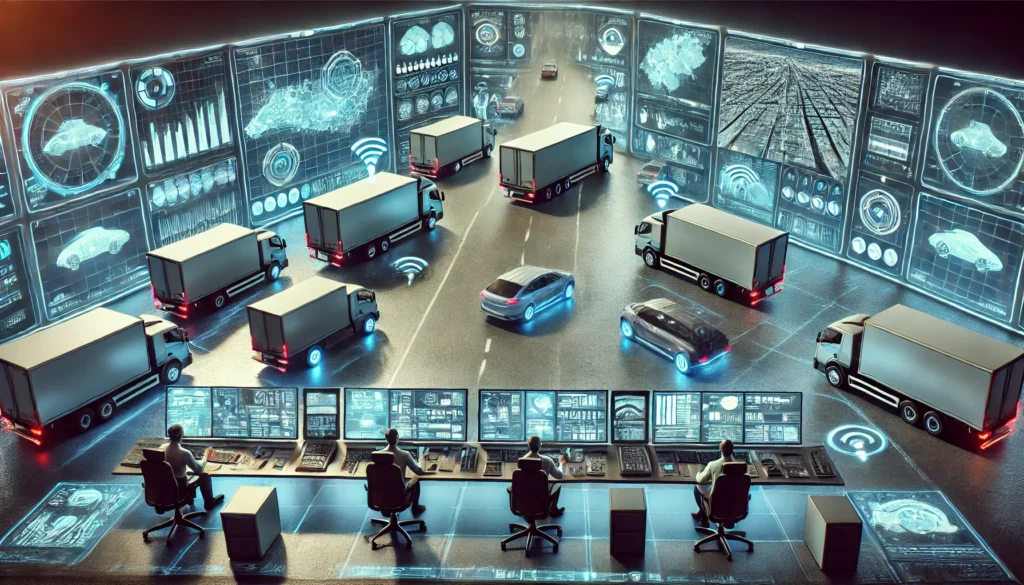
Remote-operated vehicles are cars, trucks, or other forms of transportation controlled by human operators from remote locations. Think of it like a video game, but instead of a virtual vehicle, the operator controls an actual car on the road. These vehicles are equipped with high-definition cameras, sensors, and 5G connectivity, enabling operators to see the surroundings in real-time and respond instantly to driving conditions.
The concept of remote-operated fleets is particularly appealing for businesses that manage large numbers of vehicles. From rideshare companies to delivery services, this technology offers a way to operate fleets more efficiently while cutting down on labor costs. For individuals, it could mean a world where calling a remotely operated car is as easy as ordering a pizza.
How Does Remote Vehicle Operation Work?
The core of this innovation lies in its reliance on advanced technology. Remote-operated vehicles depend on a combination of cameras, LiDAR systems, and sensors to provide a 360-degree view of the road. This data is transmitted via 5G networks to the central hub, where trained operators take control of the vehicle.
These operators use specialized workstations with monitors and controls to steer, accelerate, and brake the vehicle. The ultra-low latency of 5G ensures there’s no delay between what the operator sees and how the vehicle responds. This level of precision allows for safe navigation, even in complex environments like busy city streets or crowded highways.
As of 2024, several companies in the US are piloting this technology, focusing on perfecting the systems and ensuring compliance with federal and state regulations. States like California and Arizona, known for their openness to testing new transportation technologies, have become hotbeds for remote-operated fleet trials.
Why Remote-Operated Fleets Make Sense for the US
The United States faces unique challenges when it comes to transportation. From sprawling urban centers to rural areas with limited infrastructure, meeting the diverse needs of drivers and businesses can be tricky. Remote-operated fleets offer a solution that bridges these gaps.
In cities, this technology can improve the efficiency of rideshare and delivery services. Instead of relying on individual drivers, companies can deploy remotely operated cars to meet demand. For suburban and rural areas, where finding drivers is often more difficult, remotely operated fleets can ensure consistent service without the logistical hurdles.
Another significant advantage lies in the potential to reduce traffic congestion and accidents. Remote operators are trained to adhere to strict safety protocols and can leverage real-time data to make informed decisions. This reduces the risk of human error, a leading cause of accidents on US roads.
The Role of Remote Fleets in Sustainability
Sustainability is at the forefront of the transportation industry, and remote-operated fleets are no exception. By optimizing routes and reducing the need for vehicles to idle or drive aimlessly, this technology can help decrease carbon emissions. Additionally, many of these fleets are expected to consist of electric or hybrid vehicles, further contributing to environmental goals.
Businesses can also save on maintenance costs, as the centralized control of vehicles ensures they’re driven in a way that minimizes wear and tear. This translates to longer vehicle lifespans and fewer resources spent on repairs, aligning with sustainability goals and financial efficiency.
Challenges and Opportunities Ahead
While the promise of remote-operated fleets is immense, there are hurdles to overcome. Infrastructure plays a critical role, and widespread adoption will require reliable 5G networks across the country. Regulatory challenges also remain, as lawmakers work to establish rules for the safe operation of these vehicles.
However, with major tech and automotive companies investing heavily in this space, these challenges are being addressed rapidly. The US, as a leader in technology innovation, is well-positioned to set the standard for remote vehicle operations globally.
Driving Into the Future
As we move through 2024, remote-operated vehicle fleets are no longer a futuristic concept—they’re becoming a reality. From improving transportation efficiency to enhancing road safety and supporting sustainability, this technology has the potential to transform how we think about cars and driving.
Whether you’re a business owner looking to streamline your fleet or an individual excited about the convenience of remotely operated cars, the future of driving is here. Keep an eye on the roads, because you just might see a car driving itself—with a little help from a central hub.