

As we cruise through 2024, the landscape of car ownership in the United States is changing dramatically. Traditional notions of owning a car are being challenged by new trends in mobility services, subscription models, and advancements in technology. In this blog, we will explore the future of car ownership, how it is evolving, and what it means for drivers in America.
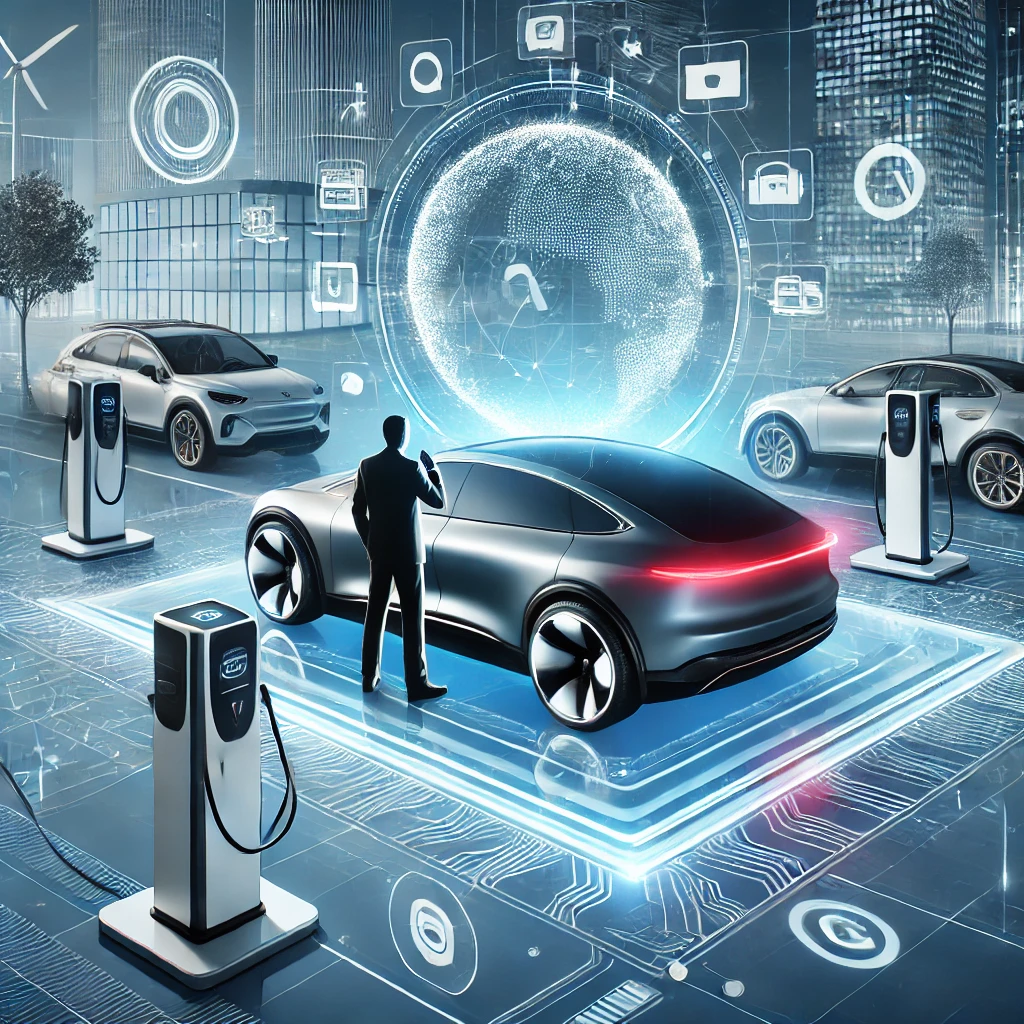
The Shift in Ownership Models
For decades, owning a car has been a staple of American life. It represented freedom, convenience, and a sense of independence. However, the rising costs of vehicle maintenance, insurance, and fuel are making many people reconsider the need for ownership. In response, we are witnessing a significant shift towards alternative models of car access, such as subscription cars and shared mobility services.
Subscription cars allow drivers to pay a monthly fee for access to a vehicle without the long-term commitment of purchasing. This model typically includes insurance, maintenance, and roadside assistance, making it a hassle-free option for many. For those who only need a car occasionally, this is a fantastic alternative to the burdens of ownership.
The Rise of Mobility Services
In addition to subscription models, mobility services are on the rise. Companies like Uber and Lyft have changed how people think about transportation. Instead of relying solely on personal vehicles, many Americans are turning to rideshare services for their everyday needs. This trend is particularly popular in urban areas, where parking can be challenging and public transportation may not be as accessible.
Moreover, as technology continues to advance, we are seeing the emergence of autonomous vehicles in ridesharing fleets. These self-driving cars have the potential to revolutionize the way we think about mobility. In the near future, it may become common to hop into a driverless vehicle for a quick trip to the store or a ride to work, further reducing the need for personal car ownership.
Environmental Considerations
Another driving force behind the changing landscape of car ownership is the growing concern for the environment. With increasing awareness of climate change and its impacts, many individuals are seeking greener alternatives to traditional vehicles. Electric vehicles (EVs) are becoming more prevalent, and many subscription services now offer electric options, allowing drivers to make eco-friendly choices without committing to ownership.
Additionally, car-sharing programs encourage reduced vehicle usage, which can lead to fewer cars on the road and decreased emissions. By utilizing shared mobility services, individuals contribute to a more sustainable transportation ecosystem, aligning with the values of a growing number of environmentally conscious consumers.
The Technological Revolution
As we look towards the future, technology will continue to play a pivotal role in shaping car ownership. With the advent of connected cars, drivers can access real-time data about their vehicles, including maintenance alerts and performance metrics. This information can lead to more informed decisions about vehicle usage and ownership.
Furthermore, advancements in app technology are making it easier than ever for users to manage their mobility needs. With a simple tap on a smartphone, drivers can access a wide range of transportation options, from ridesharing to car rentals. This level of convenience and flexibility allows people to choose the best transportation method for their specific situation, rather than being tied to one vehicle.
Challenges and Considerations
While the future of car ownership looks promising, it is not without its challenges. Issues such as data privacy, insurance models, and regulatory frameworks will need to be addressed as new mobility services gain traction. Additionally, the cultural shift away from ownership may take time, as many people still hold sentimental value for their cars and the freedom they provide.
Moreover, ensuring equitable access to mobility services is crucial. As we embrace new models of transportation, we must also consider how to make these options available to all, particularly in rural areas or communities with limited resources.
Conclusion
In conclusion, the future of car ownership in the United States is evolving rapidly in 2024. With the rise of subscription cars, mobility services, and advancements in technology, many drivers are beginning to rethink what car ownership means. As we move forward, the focus will likely shift from individual ownership to a more collective approach to mobility.
By embracing these changes, we can look forward to a future where transportation is more convenient, sustainable, and accessible for everyone. As the automotive landscape continues to evolve, it is essential to stay informed and adapt to new trends that will shape the way we get around. Whether through subscription models, ridesharing, or autonomous vehicles, the road ahead promises exciting possibilities for drivers across America.


