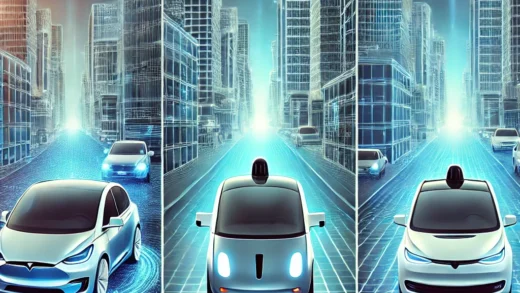
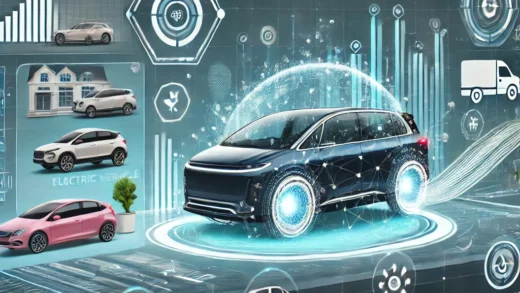
Software-defined vehicles, often called SDVs, are reshaping the automotive world in the United States and Europe. These next-generation cars act more like intelligent digital platforms than traditional machines, blurring the line between vehicles and consumer technology. As automakers shift towards centralized computing, connected services and feature-on-demand models, cars are becoming “app stores on wheels.” This transformation is redefining how vehicles are built, sold and experienced, unlocking a new era of automotive economics.

What Makes a Vehicle Software-Defined?
A software-defined vehicle is one in which many core functions are governed primarily by software rather than fixed hardware. Instead of relying on dozens of scattered electronic control units, SDVs use a centralized or zonal architecture that supports continuous software updates. This enables features to be added, modified or improved during the vehicle’s life without requiring a dealership visit.
For consumers, this means a car can evolve long after it’s purchased. Safety enhancements, driver-assistance improvements, infotainment upgrades and performance optimizations can be delivered wirelessly, just like updating a smartphone. For automakers, the shift brings more flexibility and reduces mechanical complexity, opening doors for ongoing revenue.
The Car as an App Store
The phrase “app store on wheels” captures how automakers now view the future of mobility. Much like a smartphone becomes more valuable when you install apps and services, an SDV gains new capabilities through software-activated features. A vehicle may arrive with basic functionality, but owners can unlock more advanced features through subscriptions or one-time purchases.
This model is becoming increasingly common in both the U.S. and Europe. Drivers can activate heated seats, advanced parking assist, improved navigation systems or premium connectivity through in-car marketplaces. Instead of paying upfront for every feature, customers choose what they want long after purchase. Over-the-air updates make it seamless.
For manufacturers, this creates steady, predictable income instead of relying solely on one-time vehicle sales. The economic impact is significant: recurring digital services can generate revenue for years, even as the vehicle ages. This shift also strengthens brand loyalty because the customer stays connected to the automaker through software.
Why SDV Economics Matter?
Traditional automotive business models relied heavily on selling vehicles, replacement parts and dealer service. With SDVs, value increasingly comes from software experiences. This transition is shaping new strategies across the U.S. and Europe.
Automakers are investing heavily in cloud platforms, operating systems and digital infrastructure. Many brands are building their own app ecosystems for navigation, entertainment, energy management and autonomy features. The economics are clear: the more a driver uses these services, the more income the automaker can generate.
Consumers also gain long-term benefits. Cars stay relevant for longer and hold more value because they can be continuously updated. Customization becomes easier, and owners can personalize their vehicle experience with new functions without buying a new model. The driving experience becomes more convenient, safer and more connected.
Growth of SDVs in the U.S. and Europe
The U.S. market is driven by the rapid growth of electric vehicles and strong demand for connected technologies. Many American drivers have already become comfortable with subscriptions and digital services, making the transition smoother. Tech-forward brands and EV startups have accelerated SDV development by designing vehicles with software-centric platforms from day one.
In Europe, strict regulations around safety, emissions and cybersecurity are pushing automakers toward advanced software architectures. European brands are prioritizing digital standardization, over-the-air update compliance and secure connectivity. With a strong focus on sustainability and efficiency, SDVs help meet environmental goals through intelligent battery management and smart energy features.
Both regions are also seeing partnerships between automakers and technology companies, including cloud service providers and semiconductor manufacturers. These collaborations help deliver robust software systems that can support the next generation of autonomous and connected mobility.
Challenges in the SDV Shift
While the benefits are compelling, SDV economics come with challenges. Automakers must transform into software-driven companies, requiring new talent, new processes and new supply chains. Developing secure, reliable and scalable vehicle software is complex, and cybersecurity risks are a growing concern.
Customers are also adjusting to a future where certain features require subscriptions. While many appreciate flexibility, others worry about subscription fatigue. Balancing affordability with innovation will be key for automakers.
On the technical side, ensuring long-term compatibility, preventing glitches and maintaining safety standards remains crucial. Vehicles must be engineered so software updates enhance rather than compromise performance and safety.
The Future of Mobility
The rise of SDVs is not just a technological shift; it’s an economic transformation that’s redefining mobility. Cars will become more customizable, smarter and more deeply integrated into digital lifestyles. Manufacturers will compete not only on horsepower or design but on user experience, app ecosystems, connectivity quality and innovative software services.
For drivers, the future promises vehicles that feel new year after year. With personalized apps, interface customizations and ever-evolving features, the car becomes a living digital environment. The ecosystem expands beyond driving, connecting the vehicle to smart homes, personal devices, renewable energy grids and cloud-based mobility services.
Final Thoughts
Cars turning into app stores on wheels marks one of the biggest shifts in the history of the automotive industry. As SDV economics reshape both the U.S. and European markets, consumers can expect a richer, more connected driving experience. The journey into the software-defined era has only begun, and its impact will continue to accelerate as vehicles become more digital, intelligent and customizable.
The road ahead leads to a future where your car is not just a machine but a dynamic digital companion.