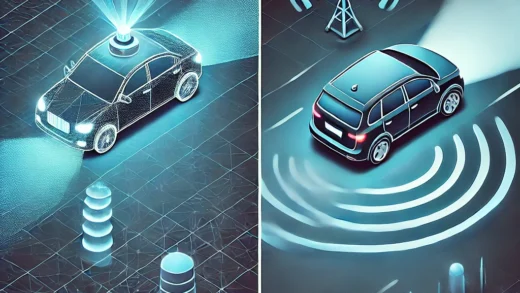
In the rapidly evolving landscape of transportation, connected vehicle technologies are playing a pivotal role in addressing the diverse needs of both rural and urban communities across the United States. While urban areas typically face challenges such as traffic congestion and pollution, rural areas often grapple with issues like limited infrastructure and access to services. In this blog, we will explore how connected vehicle technologies are bridging the gap between rural and urban needs, revolutionizing mobility for all.

Enhancing Safety and Efficiency on Rural Roads:
Rural communities often have vast expanses of roads with limited infrastructure and lower population density, presenting unique challenges for transportation safety and efficiency. Connected vehicle technologies, such as vehicle-to-vehicle (V2V) and vehicle-to-infrastructure (V2I) communication systems, can enhance safety on rural roads by providing real-time traffic updates, hazard warnings, and emergency notifications to drivers. Additionally, advanced driver-assistance systems (ADAS) and autonomous driving features can help mitigate the risks associated with long-distance travel on rural highways, reducing accidents and improving overall road safety.
Improving Accessibility and Mobility in Urban Areas:
In densely populated urban areas, connected vehicle technologies offer solutions to alleviate traffic congestion, enhance public transit systems, and improve overall mobility. Through integrated traffic management systems and smart city initiatives, connected vehicles can optimize traffic flow, reduce travel times, and minimize emissions by coordinating traffic signals and prioritizing public transit vehicles. Moreover, ride-sharing and mobility-as-a-service (MaaS) platforms leverage connected vehicle data to provide on-demand transportation options, expanding access to mobility services and reducing reliance on private car ownership in urban environments.
Enabling Precision Agriculture and Rural Connectivity:
Beyond transportation, connected vehicle technologies have the potential to revolutionize industries such as agriculture in rural areas. Through the implementation of precision agriculture techniques, connected vehicles equipped with sensors and GPS technology can optimize crop management practices, improve productivity, and reduce environmental impact. Additionally, connected vehicles serve as mobile hotspots, providing internet connectivity and digital services to rural communities that lack access to broadband infrastructure, thereby bridging the digital divide and promoting economic development in rural areas.
Supporting Emergency Services and Rural Healthcare:
In remote rural areas where access to healthcare services is limited, connected vehicle technologies can play a critical role in supporting emergency medical services (EMS) and telehealth initiatives. Connected ambulances equipped with telemedicine capabilities can provide real-time medical assistance to patients end route to healthcare facilities, improving outcomes and reducing response times. Moreover, connected vehicles can serve as platforms for delivering healthcare services to underserved rural populations through mobile clinics, telehealth consultations, and remote patient monitoring, enhancing access to quality healthcare and improving health outcomes in rural communities.
Addressing Equity and Inclusion:
As we harness the potential of connected vehicle technologies to address the needs of both rural and urban areas, it is essential to ensure equitable access and inclusion for all communities. This requires collaboration between government agencies, industry stakeholders, and community organizations to develop solutions that prioritize the needs of underserved populations and promote social equity. By leveraging connected vehicle technologies to bridge the gap between rural and urban communities, we can create a more inclusive and resilient transportation system that serves everyone.
Connected vehicle technologies are revolutionizing transportation and mobility by addressing the diverse needs of rural and urban communities across the United States. From enhancing safety on rural roads to improving accessibility in urban areas and supporting critical services such as emergency healthcare, connected vehicles are bridging the gap between different regions and promoting inclusivity and equity in transportation. By leveraging the power of connected vehicle technologies, we can create a more sustainable, efficient, and equitable transportation ecosystem that benefits all Americans, regardless of where they live.