Software-defined vehicles (SDVs) are becoming central to the future of mobility, especially in the U.S. and European markets where drivers increasingly expect smart, connected, upgradeable cars. Among the automakers making major strides in this direction are Hyundai and Kia. Their deep partnership with NVIDIA, one of the world’s leading computing and artificial intelligence companies, is paving the way for more advanced, software-centric vehicles. This strategic collaboration is reshaping how Hyundai and Kia design cars, how they deliver digital features and how they plan to compete in a rapidly evolving global market.

A New Era of Software-Driven Mobility
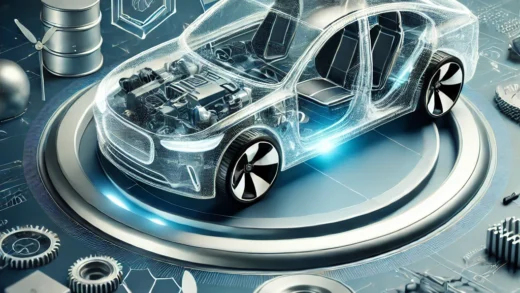
Until recently, vehicles were defined mainly by hardware—engines, transmissions, suspension systems and mechanical durability. But the rise of digital mobility is changing that foundation. SDVs rely on centralized computing, advanced software architectures and continuous connectivity to deliver features that can evolve over time. These vehicles behave more like smartphones or computers, allowing new functions, performance improvements and interface upgrades long after purchase.
Hyundai and Kia recognized early that to compete globally, they needed world-class computing power under the hood. That recognition led them to partner with NVIDIA and integrate its high-performance platforms into their future vehicle lineup. This shift positions Hyundai Motor Group at the forefront of the SDV movement, preparing their vehicles for an era when software is just as important as horsepower.
How NVIDIA Fits into the SDV Strategy?
NVIDIA’s automotive technology is known for its ability to process massive amounts of data, power rich infotainment systems and support AI-driven functions such as driver assistance and autonomous features. Hyundai and Kia are adopting NVIDIA’s DRIVE platforms and related computing ecosystems to support everything from digital dashboards to intelligent vehicle control systems.
For U.S. and European buyers, this means future Hyundai and Kia models will be equipped with the same class of processing power used in advanced robotics and AI systems. These computing platforms enable high-resolution graphics, fast processing speeds, improved voice assistants, predictive navigation and seamless connectivity to cloud-based services.
By integrating NVIDIA’s technology, Hyundai and Kia are ensuring their vehicles remain competitive in a market where digital sophistication can be as important as traditional automotive performance. The partnership enables more consistent software delivery across models and supports long-term update capability, which is critical for SDV success.
The Value for U.S. and European Consumers
Consumers in the U.S. and Europe are increasingly seeking vehicles that stay up-to-date, connect effortlessly with digital ecosystems and offer a premium software experience. Hyundai and Kia’s shift toward SDVs powered by NVIDIA aligns perfectly with these expectations.
Drivers can expect more intuitive interfaces, smoother graphics, better navigation intelligence and faster system response times. As SDVs become more mainstream, features such as enhanced driver-assistance functions, personalized settings, integrated apps and remote diagnostics will become standard expectations. Hyundai and Kia’s integration of NVIDIA hardware gives them a strong technological base to deliver these features reliably.
Another benefit for consumers is longevity. Cars built using NVIDIA-powered SDV platforms can receive major updates throughout their life cycle. Instead of needing a new car to access modern features, buyers can download improvements as they become available, extending the useful life of the vehicle and improving long-term value.
Preparing for Autonomous and Connected Futures
While full autonomy remains a long-term goal, Hyundai and Kia are using NVIDIA’s computing power to build the foundation necessary for higher levels of automation. Advanced sensor processing, real-time decision-making and AI-enabled perception all rely on robust hardware, and NVIDIA’s platforms provide exactly that.
In the U.S., where autonomous testing zones are expanding, and in Europe, where regulations are requiring more advanced safety systems, this preparation is crucial. The ability to support partial or high-level autonomy in the future gives Hyundai and Kia a competitive edge as the market evolves.
Connectivity is another key factor. SDVs rely on strong network integration to support over-the-air updates, cloud data processing and hybrid on-board computing. NVIDIA’s platforms are optimized for these types of workflows, ensuring that Hyundai and Kia vehicles stay connected and capable even as infrastructure improves across the U.S. and Europe.
Challenges and Responsibilities
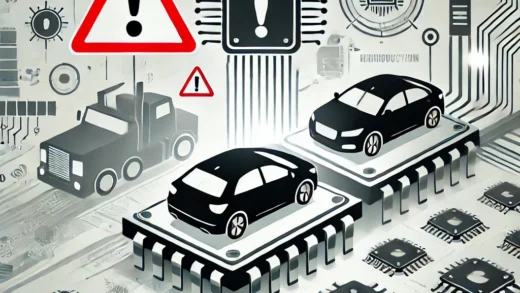
Building SDVs powered by advanced computing also presents challenges. Thermal management, cost structure, cybersecurity and long-term software support must all be addressed. Hyundai and Kia must ensure that their vehicles maintain performance without overheating, remain secure against digital threats and provide regular updates to preserve the SDV experience over many years.
Additionally, both companies must balance premium technology with affordability. U.S. consumers expect value and convenience, while European buyers prioritize efficiency, longevity and compliance with strict regulations. Hyundai and Kia must tailor their SDV strategies to meet both sets of expectations.
What This Means for the Future of Hyundai and Kia?
The automakers’ partnership with NVIDIA signals a clear commitment to long-term technological leadership. Hyundai and Kia are no longer just competing on build quality and price—they are competing in software, computing capability and digital innovation.
In the coming years, more of their vehicles in the U.S. and Europe will feature centralized computing, richer infotainment experiences and adaptive software ecosystems. This transformation puts Hyundai Motor Group among the global leaders in SDV development, alongside brands often associated with cutting-edge tech.
Final Thoughts
Hyundai and Kia’s work with NVIDIA is a significant step toward the future of software-defined mobility. As cars become more digital, more connected and more dependent on computing power, partnerships like this will shape the vehicles we drive for decades. For U.S. and European consumers, the result will be smarter, more intuitive cars capable of evolving long after they leave the showroom.