Hybrid vehicles offer a blend of fuel efficiency, environmental friendliness, and advanced technology. To ensure your hybrid car continues to perform optimally and provide you with reliable transportation, it’s essential to follow proper maintenance practices. In this blog, we’ll explore some key maintenance tips for hybrid vehicles that will help keep them running smoothly for years to come.

Regular Oil Changes:
Just like conventional gasoline-powered vehicles, hybrid cars still require regular oil changes to maintain engine lubrication and prevent wear and tear. While hybrid cars rely more on electric power, the gasoline engine still operates and requires proper lubrication. Be sure to follow the manufacturer’s recommended oil change intervals, typically every 5,000 to 7,500 miles, depending on driving conditions and the type of oil used.
Check and Replace Air Filters:
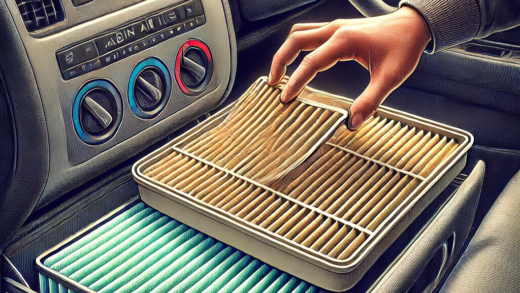
Clean air filters are essential for optimal engine performance and fuel efficiency in hybrid vehicles. Over time, air filters can become clogged with dirt, debris, and pollutants, restricting airflow to the engine. Regularly inspect the air filters and replace them as needed to ensure proper engine function and maximize fuel efficiency. Most manufacturers recommend replacing air filters every 15,000 to 30,000 miles, but it’s a good idea to check them more frequently, especially if you drive in dusty or polluted environments.
Monitor Tire Pressure:
Proper tire maintenance is crucial for both safety and fuel efficiency in hybrid vehicles. Underinflated tires can increase rolling resistance, reducing fuel economy and putting extra strain on the vehicle’s components. Be sure to check your tire pressure regularly, at least once a month, and inflate them to the manufacturer’s recommended levels. Properly inflated tires not only improve fuel efficiency but also enhance traction, handling, and braking performance.
Inspect and Maintain Hybrid Battery:
The hybrid battery pack is a critical component of hybrid vehicles, providing electrical energy to power the electric motor. While hybrid batteries are designed to last for many years, they can degrade over time due to factors such as temperature fluctuations, age, and driving habits. To ensure optimal battery performance, it’s essential to inspect and maintain the hybrid battery regularly. Keep an eye out for any warning signs of battery issues, such as decreased fuel efficiency or dashboard warning lights. If you suspect a problem with the hybrid battery, have it inspected by a qualified technician.
Brake System Maintenance:
Hybrid vehicles use regenerative braking systems to capture energy during braking and convert it into electrical energy to recharge the battery pack. While this helps extend the life of the brake pads and rotors, it’s still essential to maintain the brake system properly. Regularly inspect the brake pads, rotors, and brake fluid levels, and replace worn brake components as needed. Proper brake maintenance not only ensures safe stopping distances but also maximizes energy recovery during braking, improving overall fuel efficiency.
Schedule Regular Maintenance Inspections:
In addition to following these maintenance tips, it’s essential to schedule regular maintenance inspections with a qualified technician. Hybrid vehicles have unique components and systems that require specialized knowledge and equipment for proper maintenance and repair. A certified hybrid technician can perform comprehensive inspections and identify any potential issues before they escalate into costly repairs. Be sure to follow the manufacturer’s recommended maintenance schedule and address any maintenance or repair needs promptly to keep your hybrid vehicle in top condition.
By following these maintenance tips for hybrid vehicles, you can ensure that your car continues to provide you with reliable performance, fuel efficiency, and environmental benefits for years to come. Regular oil changes, air filter replacements, tire pressure checks, hybrid battery inspections, brake system maintenance, and scheduled maintenance inspections are essential for keeping your hybrid vehicle running smoothly and maximizing its lifespan. With proper care and attention, your hybrid car can continue to serve you well while minimizing its impact on the environment.