The automotive industry in the US and Europe is no longer just about horsepower, fuel economy, or exterior styling. Today’s vehicles are digital platforms on wheels, powered by software, connectivity, and data. This shift has given rise to what many industry insiders call the “vehicle feature store” — the structured ecosystem of optional upgrades, digital services, and bundled packages offered at purchase or even after delivery. It is no longer a side strategy. It is becoming a core profit engine.
For automakers and dealerships, feature monetization is critical as margins tighten and electrification raises development costs. In both the US and EU markets, optional features and packages can significantly increase transaction prices. For customers, the feature store represents personalization. Buyers expect their car to reflect their lifestyle, whether that means advanced safety tech, premium sound, or smart connectivity.
The brands that understand how to design and market their feature stores are winning. Those that overload customers or misjudge demand are leaving revenue on the table.
What Sells Consistently in the US and EU
Across both markets, safety technology remains the strongest performer. Advanced driver assistance systems such as adaptive cruise control, blind-spot monitoring, and lane-keeping assistance have moved from luxury add-ons to near must-haves. Buyers associate these technologies with peace of mind, especially families and commuters who spend long hours on highways. In Europe, stricter safety regulations further increase demand, making these features feel essential rather than optional.
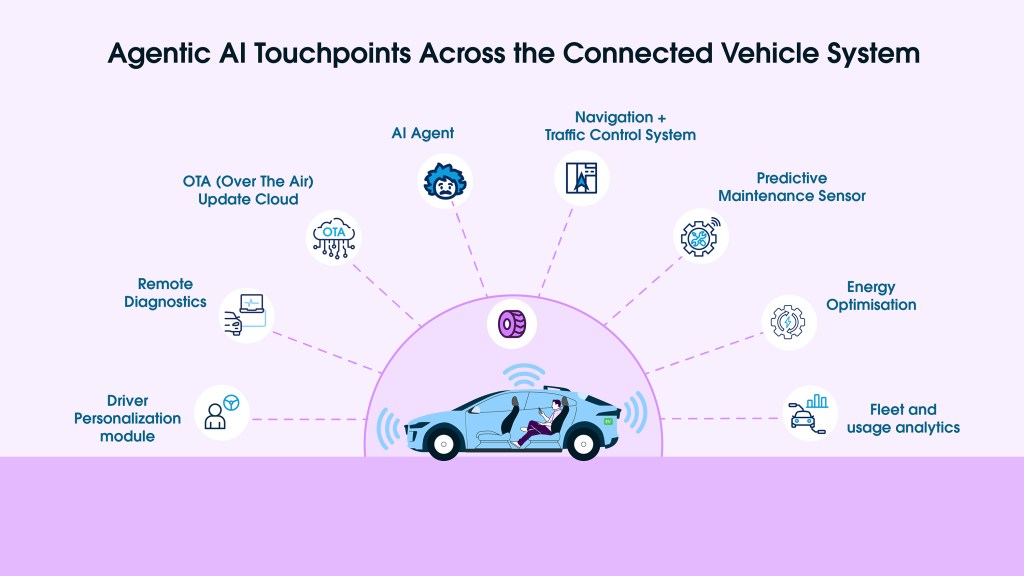
Connectivity features also perform extremely well. Drivers want seamless smartphone integration, real-time navigation updates, remote vehicle access through apps, and over-the-air software updates. In the US market, infotainment systems with large displays and intuitive interfaces often influence buying decisions just as much as engine specs. Customers increasingly compare vehicles the same way they compare smartphones, expecting fluid digital experiences.
Comfort features are another steady revenue generator. Heated and ventilated seats, dual-zone climate control, panoramic roofs, and premium audio systems maintain strong take rates. In colder European regions and northern US states, heated seats and steering wheels are particularly popular. These features may seem simple, but they deliver daily value, which makes customers more willing to pay.
What Fails or Underperforms
Not every high-tech innovation turns into a sales success. Some features fail because they are too far ahead of consumer comfort levels. Advanced semi-autonomous driving systems, while impressive, often face hesitation due to trust concerns, unclear regulations, or high pricing. Many buyers prefer proven safety enhancements over experimental automation capabilities.
Other features fail because they are poorly communicated. If customers do not fully understand what a feature does or how it improves their daily driving experience, they are unlikely to pay extra for it. Complex user interfaces and confusing terminology reduce perceived value. In both the US and EU markets, simplicity in messaging directly impacts adoption rates.
Overly niche luxury upgrades also tend to underperform outside premium segments. Specialty lighting packages, gesture controls, or ultra-high-end trim accents may sound attractive in brochures, but they rarely justify their cost for mainstream buyers. When features feel cosmetic rather than functional, take rates drop significantly.
The Power and Risk of Bundling
Bundling remains one of the most effective strategies in the vehicle feature store. Instead of offering every option individually, manufacturers group features into themed packages such as safety, technology, or premium comfort. This approach simplifies decision-making and increases average transaction value. Customers often perceive bundles as better value, even when they include features they might not have chosen individually.
However, bundling can also backfire. If a highly desirable feature is locked inside an expensive package filled with unwanted extras, buyers may feel forced into higher trims. In Europe especially, where price sensitivity can be stronger in certain segments, this strategy can reduce satisfaction and long-term loyalty. Transparent packaging and logical grouping are critical.
Successful bundling combines one or two highly demanded features with complementary upgrades that enhance overall experience. For example, pairing adaptive cruise control with a larger digital display and enhanced navigation creates a cohesive driving technology story. The bundle should feel purposeful rather than random.
Subscription Models and Digital Unlocks
The rise of software-defined vehicles has introduced subscription-based features in both US and EU markets. Automakers are experimenting with monthly or annual payments for services such as enhanced navigation, advanced driver assistance upgrades, or performance boosts. This model creates recurring revenue beyond the initial vehicle sale.
Consumer reactions are mixed. Younger, tech-savvy buyers are often comfortable with subscriptions, especially if they mirror familiar digital service models. However, some customers push back against paying ongoing fees for features that were traditionally one-time purchases. The key to success lies in offering genuine flexibility and clear value.
Digital unlocks can also increase profitability if implemented thoughtfully. Allowing customers to activate features later provides upsell opportunities without requiring hardware changes. This strategy works best when buyers feel empowered rather than restricted.
Designing a Feature Store That Drives Traffic and Sales
To maximize both online engagement and showroom conversions, automakers must treat the feature store as part of the brand experience. Clear online configurators, transparent pricing, and visually engaging explanations drive more website traffic and longer browsing sessions. In competitive US and EU markets, a strong digital feature presentation can directly influence dealership visits.
Storytelling also matters. Instead of listing technical specifications, brands should frame features around real-life scenarios. Show how adaptive cruise control reduces fatigue on long road trips. Demonstrate how remote app access simplifies daily routines. Emotional connection drives clicks and conversions.
Ultimately, the vehicle feature store succeeds when it balances innovation, clarity, and customer value. What sells are features that solve real problems or enhance everyday comfort. What fails are features that confuse, overpromise, or feel overpriced. And what drives sustainable growth is intelligent bundling that makes sense for the modern driver.
As vehicles continue to evolve into connected ecosystems, mastering the feature store will define which brands lead the next era of automotive profitability.