As we cruise into 2024, the automotive world is buzzing with innovations designed to enhance safety and improve the driving experience. One such advancement that has gained traction is adaptive lighting systems. These smart car lighting solutions are changing how we navigate roads at night, ensuring that drivers have better visibility and reducing the risk of accidents. In this blog, we’ll delve into what adaptive lighting systems are, their benefits, and the top vehicles equipped with this cutting-edge technology in the U.S. market.
What Are Adaptive Lighting Systems?
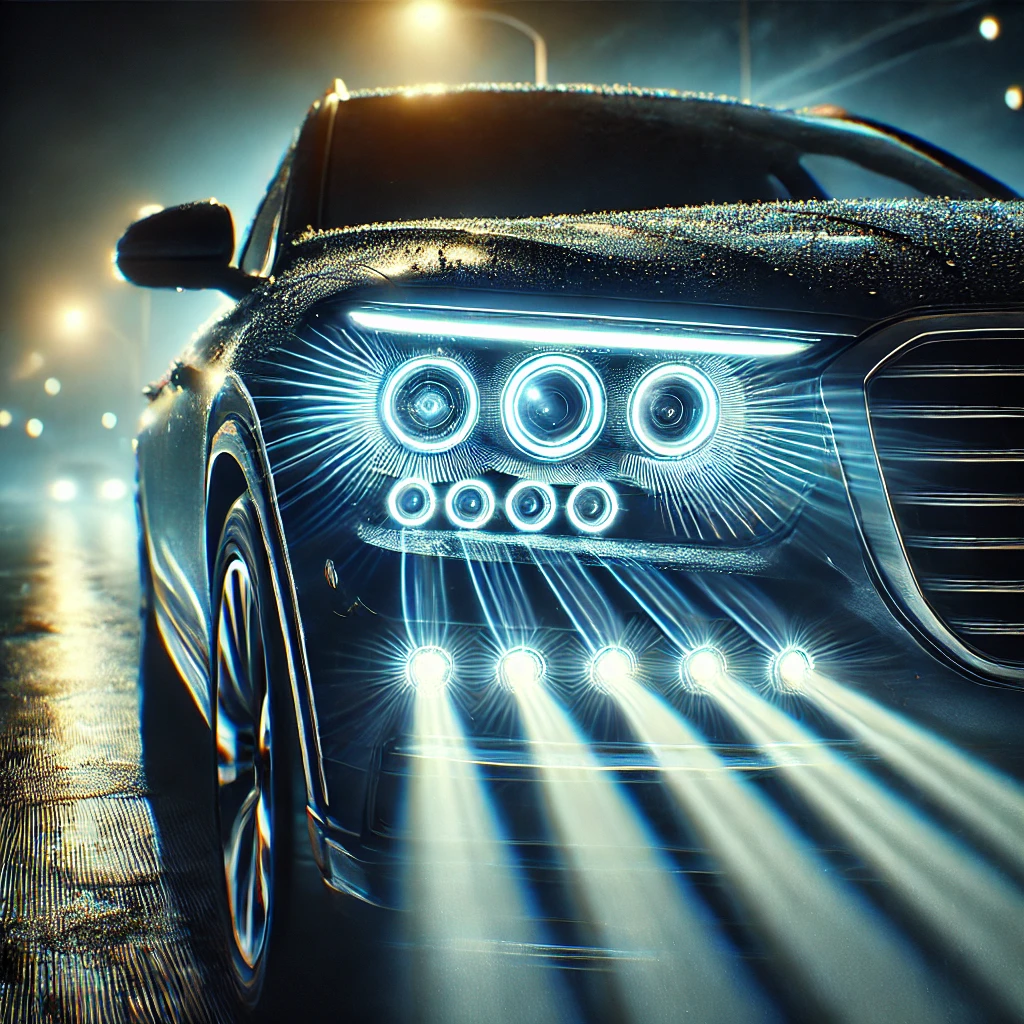
Adaptive lighting systems, often referred to as adaptive headlights, are designed to adjust the direction and intensity of a vehicle’s headlights based on various driving conditions. Unlike traditional headlights that offer a fixed beam of light, adaptive lighting systems use sensors and motors to change the angle and brightness of the headlights as the vehicle moves. This means that the lights can pivot to illuminate curves and corners, providing better visibility around bends and improving overall road safety.
In 2024, these systems are becoming more advanced, with many vehicles now featuring integrated technologies that optimize lighting for different driving scenarios, such as turning, accelerating, or decelerating. This adaptability makes nighttime driving not only safer but also more comfortable.
The Benefits of Adaptive Lighting Systems
One of the primary benefits of adaptive lighting systems is improved visibility during night driving. Traditional headlights often fail to provide adequate illumination in certain conditions, leading to reduced awareness of the surrounding environment. Adaptive headlights address this issue by automatically adjusting their direction to illuminate the road ahead more effectively. Whether you are navigating a winding road or making a sharp turn, these systems ensure you see potential hazards in advance, enhancing your ability to react quickly.
Additionally, adaptive lighting systems can reduce glare for oncoming drivers. When you turn your vehicle, the headlights will adjust to avoid blinding other road users while still providing optimal lighting for your path. This feature promotes safer interactions on the road, fostering a more courteous driving environment.
Another significant advantage is the enhanced performance during adverse weather conditions. Some adaptive lighting systems are equipped with features that adjust the light beam to counteract rain, fog, or snow. By directing light where it is needed most, these systems help drivers maintain visibility even when weather conditions are less than ideal.
Night Vision Assistance
An exciting development in adaptive lighting technology is the integration of night vision assistance. This feature uses infrared sensors to detect pedestrians, animals, and other obstacles in low-light conditions. When a potential hazard is identified, the system alerts the driver through visual or auditory cues and adjusts the lighting to highlight the area. This proactive approach can significantly reduce the likelihood of nighttime accidents, making it a valuable addition to modern vehicles.
Night vision assistance enhances the overall functionality of adaptive lighting systems, combining traditional lighting with advanced sensor technology. This integration provides drivers with an added layer of safety, ensuring that they are more aware of their surroundings, even in complete darkness.
Top Cars with Adaptive Lighting Systems in 2024
As the demand for enhanced safety features grows, many car manufacturers are incorporating adaptive lighting systems into their models. For example, the Audi A6 is known for its advanced Matrix LED technology, which includes adaptive headlights that adjust to the driving conditions. The system not only improves visibility but also enhances the car’s overall aesthetic with its sleek design.
Similarly, the BMW 5 Series offers adaptive headlights that adjust their angle based on the steering input. This feature allows the lights to illuminate corners and turns effectively, providing a safer driving experience. BMW also incorporates night vision assistance into their higher-end models, further enhancing safety during nighttime driving.
Mercedes-Benz also leads the way with its E-Class model, featuring an intelligent lighting system that adapts to changing conditions and offers a range of customizable settings. The combination of adaptive headlights and advanced night vision technology makes this vehicle a top choice for safety-conscious consumers.
Conclusion: A Brighter Future for Road Safety
Adaptive lighting systems are revolutionizing nighttime driving in 2024, offering significant benefits for drivers across the U.S. With their ability to adjust to changing road conditions and enhance visibility, adaptive headlights are an essential feature for those who value safety and comfort. The integration of night vision assistance further elevates these systems, providing drivers with an advanced tool to navigate in low-light situations effectively.
As you consider your next vehicle purchase, be sure to explore options with adaptive lighting technology. Embracing this innovative feature will not only improve your driving experience but also contribute to safer roads for everyone. With adaptive lighting systems, a brighter and safer future awaits you on your nighttime journeys.