

Electric vehicles (EVs) are no longer a niche in the United States and Europe. With more models on the road and charging networks expanding rapidly, drivers are embracing electric mobility for daily commutes and long-distance trips. Yet, one challenge remains: the cost of charging. Unlike gasoline, which has a relatively fixed price, electricity costs can fluctuate widely depending on the station, time of day, and grid conditions. Dynamic pricing — a system that adjusts rates in real time — is emerging as a practical solution. When integrated into OEM apps, dynamic pricing can help drivers save money while improving the efficiency and convenience of charging.
Traditional EV charging rates are often fixed or follow simple time-of-use structures. While functional, these models do not reflect actual energy demand, grid load, or station congestion. Dynamic pricing changes this by adjusting rates based on real-time factors like electricity demand, station occupancy, and grid conditions. In the US and EU, where electricity markets vary greatly across regions, this adaptive pricing can help drivers pay less by charging when energy is plentiful and costs are lower. For EV owners, this means saving money while contributing to a more balanced and efficient grid.
By embedding dynamic pricing in OEM apps, automakers give drivers the tools to make smarter charging decisions. Instead of discovering costs only after plugging in, drivers can see real-time pricing and plan their charging sessions in advance. Research shows that EV drivers respond strongly to price signals — when rates drop, charging demand increases significantly. OEM apps make this process seamless, offering transparency and control that empowers drivers to optimize costs without changing their daily routines.
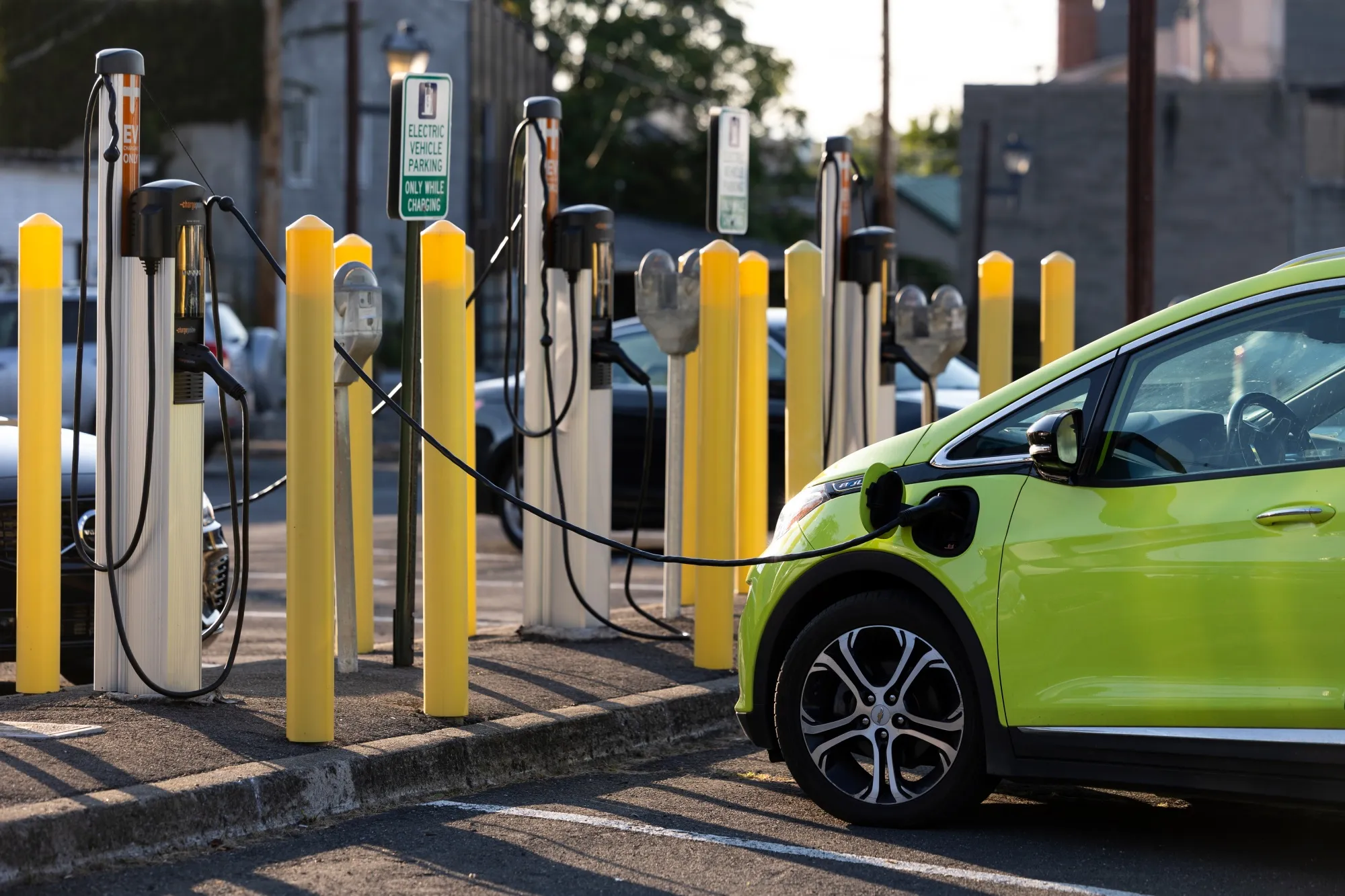
How Dynamic Pricing Works for EV Drivers
Dynamic pricing helps drivers identify the best times to charge, beyond just finding the nearest station. Rates fluctuate depending on electricity demand and station load, allowing drivers to save by charging during off-peak periods. For example, overnight charging at home or during times of low renewable energy demand is often cheaper than daytime sessions. These savings are not trivial; drivers who align their charging habits with dynamic pricing can save hundreds of dollars annually.
The approach also reduces stress. Knowing the cost before reaching a charging station prevents unpleasant surprises and allows drivers to plan their route and timing more effectively. OEM apps display real-time pricing, distance to chargers, and estimated costs for a full session. This transparency builds trust and ensures drivers can make informed choices, making EV ownership simpler and more predictable.
Dynamic pricing also extends to home charging in some regions. With smart home chargers linked to utility data, OEM apps can recommend the most cost-effective times to charge based on time-of-use tariffs or real-time electricity prices. By integrating both home and public charging, apps provide a complete view of energy costs, enabling drivers to maximize savings while maintaining convenience and flexibility.
Benefits Beyond Cost Savings
Beyond reducing expenses, dynamic pricing improves grid efficiency. By encouraging charging during off-peak hours, it helps balance electricity demand and reduces stress on the power system. This is particularly important in regions with high EV adoption, where unmanaged charging could otherwise create local grid congestion. For drivers, this means not only lower costs but also contributing to a cleaner, more sustainable energy system.
Dynamic pricing also makes longer trips more predictable. OEM apps can combine route planning with real-time cost data to suggest the best stations and timing for charging. This ensures drivers avoid crowded stations or expensive peak-period charging, making travel smoother and less stressful. For fleets and daily commuters alike, intelligent routing paired with dynamic pricing helps optimize time and energy use.
Predictive analytics further enhance this experience. Some apps forecast electricity prices hours in advance, helping drivers schedule charging sessions for maximum savings. For instance, an EV user in Germany or California can receive alerts when a low-cost charging window is approaching. This foresight allows for strategic planning without any disruption to daily routines, making electric mobility smarter and more convenient.
OEM Apps as a Smart Charging Tool
OEM apps are uniquely positioned to deliver the full benefits of dynamic pricing. They integrate vehicle telemetry, battery state, and route data with real-time pricing and station availability. This combination enables drivers to choose charging times and locations that minimize costs while ensuring the battery is ready for planned trips. Apps act as intelligent assistants, suggesting optimal charging patterns that balance convenience, cost, and battery health.
Integration with predictive software makes this even more powerful. Machine learning can analyze historical driving and charging behavior to forecast future needs. The app can recommend the best times to charge overnight or during a road trip, adapting to seasonal changes, local electricity trends, or traffic conditions. This predictive element maximizes savings and ensures drivers make the most of available resources.
Additionally, OEM apps provide transparency, showing exactly how charging costs are calculated and how they fluctuate. This helps build trust and encourages consistent use of cost-optimized strategies. For EV drivers in both the US and EU, these features transform charging from a routine task into a strategic, cost-aware activity, giving them more control over their expenses and energy use.
The Future of Dynamic Charging
Dynamic pricing represents a win-win for drivers and the grid. EV owners save money, reduce range anxiety, and plan trips with confidence, while utilities benefit from balanced demand and lower peak loads. As the US and EU markets continue to electrify, this approach will become increasingly essential for efficient, sustainable mobility.
By combining dynamic pricing with predictive analytics and OEM app integration, electric mobility becomes smarter, more convenient, and more cost-effective. Drivers no longer need to treat charging as a necessary inconvenience; instead, it becomes an intelligent part of their daily routine. As adoption grows, dynamic pricing will play a critical role in supporting a robust EV ecosystem, ensuring that drivers save money, grids stay stable, and electric mobility becomes accessible and enjoyable for all.
Dynamic pricing is more than just a technical feature — it is a practical tool that helps drivers save money, optimize charging habits, and navigate the future of electric mobility with confidence.


