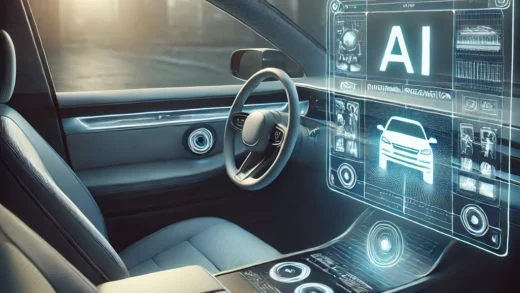
Warranty costs are becoming one of the most critical financial and reputational challenges for automakers across the United States and Europe. As vehicles become more software-defined, electrified, and connected, the complexity of components increases dramatically. Advanced driver assistance systems, high-voltage battery packs, and integrated infotainment platforms bring new layers of risk that traditional warranty models were never designed to handle. At the same time, customers expect flawless performance, seamless connectivity, and immediate service support. When failures occur, the financial impact extends far beyond repair costs, affecting brand trust and long-term loyalty.
In both US and EU markets, regulatory oversight adds another dimension to the challenge. Strict emissions standards, safety regulations, and consumer protection laws mean that even minor quality issues can escalate quickly into large-scale recalls. This environment forces manufacturers to rethink how they detect, diagnose, and prevent failures before they reach customers. The old reactive approach is no longer enough to protect margins and market share. Automakers need a smarter, faster, and more predictive system to manage warranty exposure.
Why Traditional Warranty Models Are No Longer Enough
For decades, warranty management has followed a predictable cycle. A vehicle component fails, a claim is filed, and engineers analyze the problem after the fact. While this method has worked in simpler mechanical eras, today’s vehicles generate vast volumes of real-time data that often go underused. Relying on dealership reports and manual diagnostics slows down the response time and limits visibility into emerging trends. By the time a pattern becomes clear, the financial damage may already be significant.
In highly competitive markets like Germany, France, the United Kingdom, and the United States, customers have little tolerance for recurring defects. Social media amplifies negative experiences instantly, making rapid resolution essential. Traditional warranty analytics struggle to connect isolated incidents into actionable insights quickly enough. This lag creates higher recall risks, inflated reserve allocations, and rising service expenses. The automotive industry needs a more dynamic, data-driven approach that matches the pace of modern mobility.
Enter Digital Twins: The 2026 Blueprint
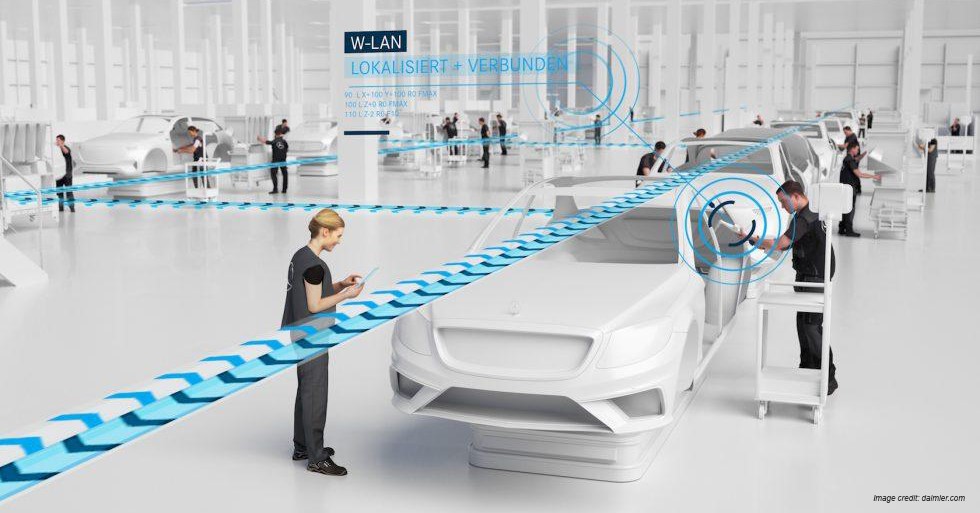
Digital twins are transforming how manufacturers think about warranty management. A digital twin is a living, evolving digital replica of a physical vehicle that continuously receives data from onboard sensors and connected systems. Instead of analyzing failures after they happen, digital twins allow engineers to observe vehicle behavior in real time across thousands of operating conditions. This creates a continuous feedback loop between the road and the engineering center.
By 2026, digital twins are expected to become a core part of quality and warranty strategies across the US and EU automotive sectors. The technology enables early detection of anomalies, whether related to battery degradation, software glitches, or component wear. When deviations appear, manufacturers can investigate and intervene before the issue spreads across fleets. This proactive visibility shifts warranty management from damage control to prevention.
Predictive Intelligence That Reduces Claims
One of the most powerful benefits of digital twins is predictive intelligence. Connected vehicles generate performance data on temperature fluctuations, vibration patterns, energy consumption, and system responses. When artificial intelligence analyzes this data within the digital twin environment, it can identify subtle warning signs long before a failure becomes visible to drivers. These early alerts allow manufacturers to act with precision rather than urgency.
Instead of waiting for a surge in warranty claims, companies can deploy targeted software updates or adjust service intervals proactively. In electric vehicle segments, this is particularly valuable for monitoring battery health and thermal performance. Preventing premature battery degradation can save millions in warranty reserves while strengthening customer confidence. Predictive intelligence turns potential liabilities into manageable, controlled interventions.
Cutting Recall Risk and Protecting Brand Value
Recalls are among the most expensive and publicly damaging consequences of unresolved warranty issues. In the United States, high-profile recalls often dominate headlines and lead to regulatory scrutiny. In the European Union, safety and environmental compliance requirements add additional financial and legal risks. Digital twins provide manufacturers with early insight into systemic issues before they escalate into large-scale actions.
By aggregating fleet-wide data, digital twins reveal patterns that may not be visible in isolated cases. Engineers can determine whether an issue is linked to a specific production batch, environmental condition, or usage profile. This clarity allows for targeted corrective measures instead of sweeping recalls. Reducing recall frequency not only cuts direct repair costs but also protects long-term brand reputation and market trust.
Enhancing Engineering with Real-World Feedback
Beyond immediate cost savings, digital twins create a long-term competitive advantage by improving engineering decisions. Traditional testing environments cannot replicate every real-world condition encountered by vehicles across North America and Europe. Digital twins bridge that gap by feeding continuous operational insights directly into design and validation processes. Engineers can refine components based on actual usage patterns rather than theoretical models.
This feedback loop is especially valuable as vehicles transition toward electrification and advanced software platforms. Understanding how systems behave in diverse climates, driving styles, and charging habits leads to more robust designs. Over time, these improvements reduce failure rates and warranty exposure naturally. The result is a stronger product portfolio built on real operational intelligence.
Building a Smarter Warranty Future
As the automotive industry moves deeper into the connected era, digital twins represent a strategic blueprint for warranty excellence. They empower manufacturers to predict issues, respond faster, and design better vehicles from the outset. In both the US and EU markets, where competition is fierce and customer expectations are high, this proactive approach can significantly reduce warranty reserves and service disruptions.
The transition to digital twin–driven warranty management is not just about cutting costs. It is about transforming quality assurance into a continuous, data-powered process that aligns engineering, operations, and customer experience. By 2026 and beyond, companies that fully embrace this model will stand out for their reliability, innovation, and financial resilience. Warranty is no longer just an obligation; with digital twins, it becomes a strategic advantage.