Electric vehicles promise cleaner air, quieter streets, and lower running costs. But for drivers in the northern US and Europe, winter brings a familiar concern: range anxiety. Cold temperatures can significantly reduce how far an EV can travel on a charge, and without the right thermal-management systems, winter driving becomes unpredictable. This challenge has pushed automakers to innovate, and one of the most important solutions has been the adoption of heat pumps and smarter battery-warming strategies. Tesla is often seen as a leader in this space, but many rivals have stepped up with their own advancements.
Why EV Range Drops in Winter
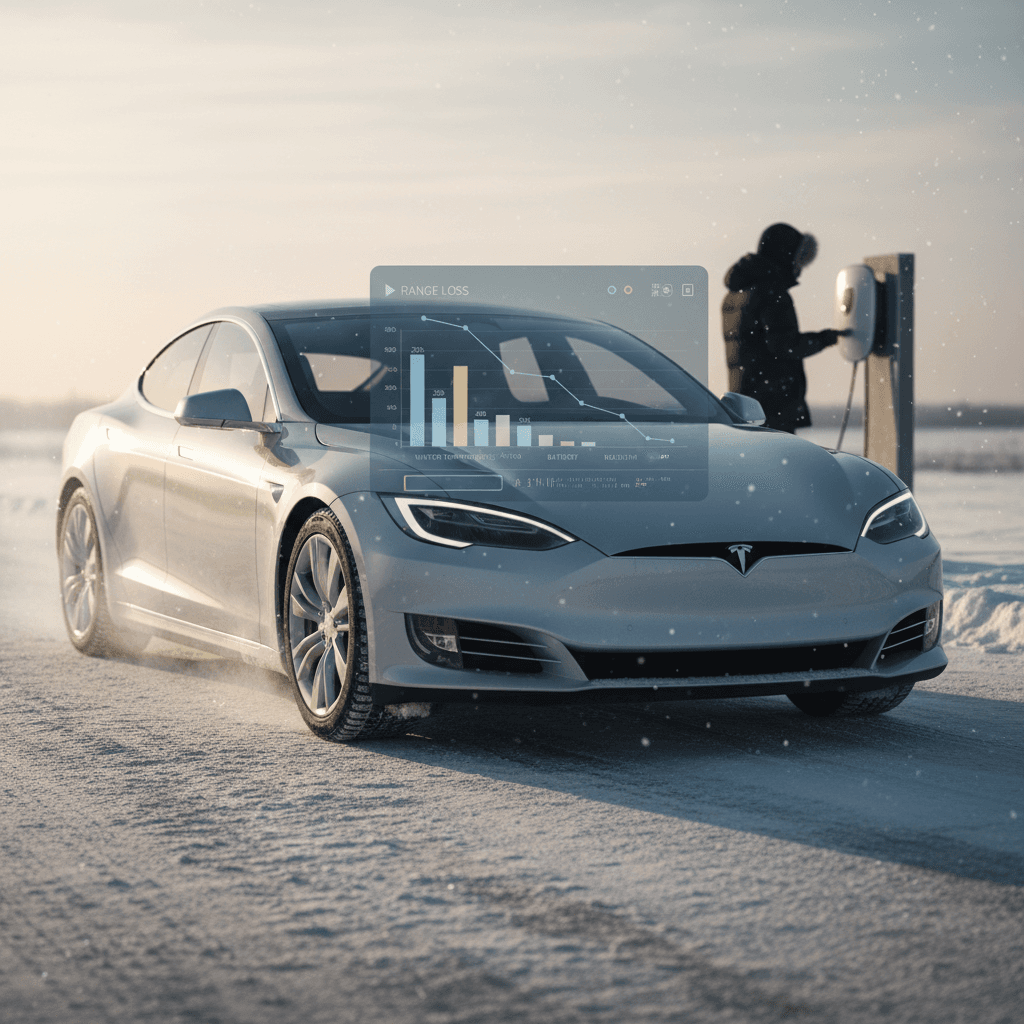
Cold-weather range loss is a well-known issue for electric vehicles. Batteries work best within a specific temperature window, and when the mercury dips, chemical reactions inside the cells slow down. This reduces power delivery and charging efficiency. A cold battery simply can’t perform at its peak.
Cabin heating adds another layer of complexity. Internal combustion engines generate plenty of waste heat, naturally warming the cabin with minimal energy loss. EVs, on the other hand, must use electricity from the battery to heat the cabin and the battery pack. Traditional resistive heaters consume a lot of energy, meaning that in cold climates, a significant percentage of the battery’s capacity is redirected away from driving.
As a result, winter can reduce EV range by 20% to 40% depending on temperature, driving conditions, and how much heating is used. This reality has encouraged automakers to search for better ways to manage heat, reduce energy waste, and minimize winter performance drops.
Tesla’s Heat Pump Strategy
Tesla made headlines when it introduced a highly efficient heat pump system in several of its models. Unlike a resistive heater, which generates heat by consuming large amounts of energy, a heat pump moves existing heat from outside air or vehicle components into the cabin. Even in cold conditions, heat pumps require far less energy to warm the cabin.
Tesla’s approach is unique because it integrates the heat pump into a broader energy-management system. The company designed the system to share and redirect heat from motors, electronics, and the battery pack. Waste heat that would normally dissipate is reused to warm the cabin or maintain optimal battery temperature. By recycling energy, Tesla’s system reduces reliance on the battery and preserves driving range.
The benefits become especially noticeable during long trips in cold climates. Tesla vehicles equipped with the heat pump often retain more usable range in freezing temperatures compared to earlier models without it. While heat pumps are less efficient in extreme cold, their overall contribution to range stability has made a meaningful difference for winter EV drivers.
How Rival EV Brands Are Approaching Winter Range
Tesla may have led with a widely adopted heat pump design, but today many major EV makers have introduced competitive systems. Brands like Hyundai, Kia, Audi, Volvo, and BMW now equip many of their electric models with heat pumps optimized for colder climates. These systems help reduce reliance on battery electricity for heating, improving range retention.
For instance, several European automakers have focused on robust battery pre-conditioning systems. These systems warm the battery pack before fast charging or before driving, helping improve both efficiency and charging performance in winter. Some brands also use insulated battery housings and advanced HVAC controls that reduce unnecessary energy usage.
Hyundai and Kia have been particularly successful in designing heat pumps that maintain efficiency in deeper cold. German automakers often pair heat pumps with sophisticated thermal models that manage airflow and coolant paths automatically.
The result is that the winter performance gap between Tesla and its rivals has narrowed significantly. In the past, EV buyers in cold regions leaned heavily toward Tesla for winter reliability. Today, many competitors offer winter-ready EVs that preserve a high percentage of their rated range.
Battery Pre-Conditioning: A Must-Have for Cold Markets
Beyond heat pumps, battery pre-conditioning has become essential for EVs in cold climates. Pre-conditioning warms the battery to an optimal temperature before a trip begins or before fast charging. Tesla was one of the first to integrate automated pre-conditioning triggered by navigation to a charging station.
Many rivals now offer similar features. When drivers of newer EVs set a fast charger as the destination, the vehicle warms the battery pack automatically so charging is faster and more efficient. This is crucial in freezing temperatures, where a cold battery can dramatically slow charging speeds.
Pre-conditioning also helps reduce early winter range drop, giving drivers more predictable performance.
What Winter Drivers Should Look for in an EV
For drivers in cold-weather regions of the US and EU, heat pumps and thermal management are no longer niche features — they are essential. Choosing an EV with an efficient heat pump, strong battery pre-conditioning, and intelligent thermal controls can greatly reduce winter range loss.
Tesla remains a strong performer thanks to its integrated approach, but modern EVs from many other brands now offer competitive or even superior cold-weather capabilities. Buyers should consider how each automaker handles battery heating, cabin warming, and range prediction in winter.
The Road Ahead for Winter EV Performance
As EV adoption grows in northern climates, winter performance will remain a priority for manufacturers. Expect future EVs to feature even more efficient heat pumps, smarter software algorithms, and improved insulation. The industry is moving toward the goal of minimizing seasonal range swings so drivers can enjoy consistent performance throughout the year.
Winter range anxiety will likely fade as technology improves. Heat pumps and advanced thermal management are leading the way — and Tesla, along with its rivals, is helping EVs thrive in even the coldest conditions.