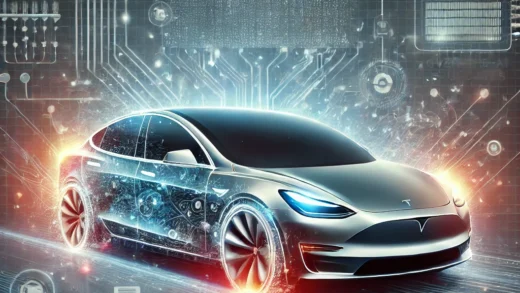
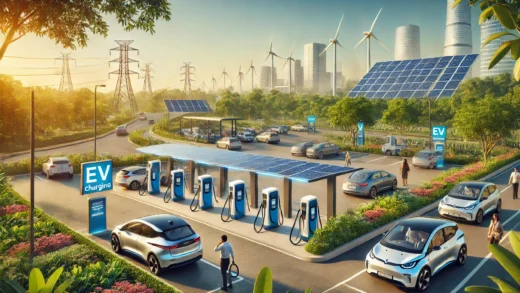
Electric vehicles are no longer just an alternative to gasoline cars. They are evolving into mobile energy assets that can store, share, and supply electricity to homes and the grid. This shift is reshaping the way households manage energy, how grids balance supply and demand, and how investors evaluate EV companies. With technologies like vehicle-to-grid (V2G), home batteries such as the Powerwall, and smart energy management systems gaining momentum, analysts are once again revisiting the idea of “Tesla-as-utility” as part of the long-term bull case for the company.
The transformation underway is bigger than autonomous driving or EV sales. It is about building an ecosystem where electric cars, solar power, home batteries and grid services work together seamlessly. In this model, EV manufacturers can become energy providers, grid stabilizers and infrastructure players—roles traditionally owned by utilities.

What V2G Really Means for Everyday Drivers
Vehicle-to-grid technology allows an EV to send electricity back to the home or power grid, not just draw energy from it. Instead of the traditional one-way charging structure, V2G enables a two-way relationship between the vehicle and its environment. This means your car could charge cheaply overnight, store energy during off-peak hours, then supply that power back to your home during peak times or sell it back to the grid when electricity prices are highest.
For the average homeowner, this adds a new layer of value to EV ownership. The vehicle becomes a personal energy tool—reducing energy bills, providing backup power in emergencies, and contributing to a more resilient grid. Combined with solar panels and a home battery, households can dramatically cut reliance on the grid, lowering their carbon footprint and gaining energy independence.
The appeal is strong for both U.S. and EU markets: regions experiencing rising electricity prices, increasing renewable energy penetration, and a growing desire for energy stability. As more consumers adopt EVs and home energy solutions, the collective impact of distributed storage grows stronger.
Powerwall and the Home Energy Revolution
Home batteries play a crucial role in this evolving ecosystem. A system like the Powerwall stores excess solar energy during the day and provides power at night or during outages. When paired with V2G capabilities in EVs, the home becomes a miniature power station—able to generate, store and distribute its own energy.
This combination allows for smarter load balancing. Instead of relying entirely on centralized power plants, homes can use locally stored energy when demand surges. In Europe, where regulations increasingly support renewable energy and flexible consumption models, home batteries are becoming more common. In the U.S., regions with aging grids and frequent outages are accelerating interest as well.
The business opportunity here is immense. Each household that adopts a home energy system becomes a long-term customer for hardware, software, and potentially energy services. Companies that offer integrated solutions—from solar to storage to EV charging—are uniquely positioned to capture recurring revenue beyond vehicle sales.
Why “Tesla-as-Utility” Is Gaining Momentum Again
The idea of Tesla evolving into an energy company isn’t new, but recent technology and market developments are making it more plausible. As V2G adoption grows and home energy systems scale, the company’s potential to provide grid services becomes more tangible.
Instead of simply selling cars, Tesla could become a major distributed energy provider. Tens of thousands of EVs and Powerwalls acting together could supply stored energy to utilities, help stabilize grids during heatwaves or cold snaps, and reduce the need for traditional peaker plants.
For investors, this means Tesla’s growth story stretches far beyond vehicles. Energy services can offer recurring revenue, higher margins and less cyclical demand than automotive manufacturing. This diversifies the company’s financial profile, making it more resilient and attractive during market fluctuations.
As EV adoption expands across Europe and North America, the scale of this opportunity only increases. The more distributed storage a company controls, the more leverage it has in energy markets.
What the U.S. and Europe Mean for Adoption
Europe has been early in recognizing the importance of smart grids and renewable integration. Countries with strong solar adoption and flexible energy regulations provide fertile ground for V2G and home storage deployment. Urban areas are investing in grid modernization, and governments are pushing to cut emissions and phase out fossil fuel infrastructure.
In the United States, adoption has been driven by necessity as much as innovation. States facing grid instability, rising electricity rates or extreme weather events are increasingly turning to home batteries and EVs as a safeguard. This creates ideal conditions for energy-centric business models to flourish.
Both markets are aligning with the same long-term trend: distributed storage as a critical component of future energy systems.
Balancing the Challenges Ahead
Despite the promise, several obstacles remain. Not all EVs currently support two-way charging. Utilities must adapt their systems to handle distributed energy input. Regulations around feeding power back to the grid vary widely. And consumers need more education to understand the financial and environmental benefits of V2G and home energy solutions.
Manufacturers and governments will also need to address battery lifespan concerns, interoperability standards and cybersecurity risks. But the direction is clear: energy flexibility is becoming a core part of the EV value proposition.
The Future: Cars as Power, Not Just Transportation
The convergence of EVs, V2G, home storage and renewable energy represents one of the most exciting phases in modern transportation and energy. It transforms electric cars into mobile assets that serve not only their owners but the broader energy ecosystem.
The companies capable of delivering these integrated systems stand to benefit enormously. For Tesla, this means the “utility” side of the business may become just as important as its vehicles, supporting long-term growth, higher margins and stronger investor confidence.
As the energy and automotive worlds continue to merge, the next chapter of the EV story will be written inside homes, on rooftops and across power grids—one battery at a time.