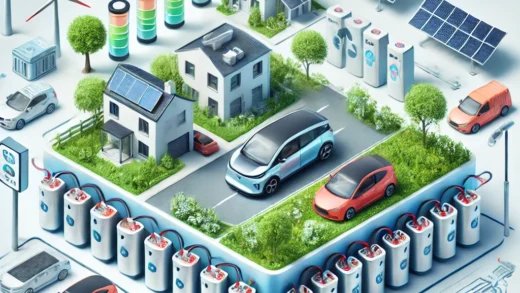
As electric vehicles continue to surge in popularity across the US and Europe, buyers are increasingly choosing between two very different categories: compact city EVs and larger SUV-style EVs. Both offer zero-emission driving and modern technology, yet the experience behind the wheel — and the powertrain that drives each category — can differ dramatically. Understanding these differences can help drivers and families make smarter, more confident purchasing decisions, especially as the market expands and new models arrive every year.

Two EV Types, Two Different Lifestyles
Compact city EVs are built for efficiency, maneuverability and practicality. They’re tailor-made for navigating tight European streets, slipping into small parking spaces and handling daily urban commutes. Lightweight construction, modest battery sizes and single-motor powertrains help keep costs down and efficiency high.
SUV EVs, on the other hand, are designed for people who need space, comfort and longer driving range. They typically offer dual-motor options, larger batteries and more robust suspension systems. They’re better suited for families, longer highway trips and mixed driving conditions where added cargo room and performance matter.
In both regions, lifestyle and geography play major roles. Dense European cities tend to favor compact EVs, while North America’s suburban and rural markets naturally lean toward SUV EVs. But as charging networks grow and technology improves, the line between these two categories is shifting — and buyers are asking which option actually fits their real needs.
Powertrain Efficiency: Lightweight vs. Heavy Duty
When comparing the powertrains of compact EVs and SUV EVs, the most fundamental difference is simple: weight. A lightweight compact EV requires less energy to move, meaning it can travel farther on a smaller battery. This reduces cost, improves efficiency and lowers electricity consumption.
SUV EVs often weigh significantly more due to larger batteries, reinforced frames and dual-motor configurations. While this extra weight enables superior traction, better acceleration and more capability, it also increases energy use. Drivers in urban areas may notice higher consumption even for short trips.
For city commutes, compact EVs often deliver the better experience. Their efficiency shines in stop-and-go traffic, and regeneration works more effectively on lighter vehicles. For long-distance driving or all-weather performance, SUV EVs offer more confidence and stability thanks to larger batteries and more powerful motors.
Range Expectations: How Much You Really Need
A major selling point for SUV EVs is longer driving range. Larger battery packs add weight, but they also allow the vehicle to travel farther before needing a recharge. Drivers in the US, where daily travel distances are higher and road trips more common, benefit greatly from SUV EVs with extended range.
Compact EVs usually offer shorter range because their batteries are intentionally smaller. But for city drivers, range often matters less than people think. Many European drivers rarely exceed short-distance daily trips, and even American urban commuters may find compact EVs more than adequate when home charging is available.
The key question becomes: how often do you truly drive long distances? If the answer is “rarely,” then a compact EV may deliver everything you need with lower operating costs. If long trips or family travel are part of your normal routine, an SUV EV’s larger powertrain will feel more capable and less stressful.
Driving Experience: Agility vs. Strength
Compact EVs prioritize agility. Their lighter frames and smaller motors make them easy to park, quick to maneuver and comfortable for tight city roads. They tend to offer smoother acceleration in low-speed contexts and a more connected driving feel in dense traffic.
SUV EVs emphasize strength and comfort. Higher ride height, dual-motor all-wheel drive and increased torque mean stronger performance in challenging weather or terrain. They offer a more relaxed highway experience, larger seating, more storage and a sense of safety that appeals to families and long-distance travelers.
This difference reflects two philosophies: the compact EV is about efficiency and simplicity, while the SUV EV is about capability and comfort.
Cost, Charging and Ownership Considerations
Compact city EVs generally cost less to purchase and operate. They use smaller batteries, which reduces manufacturing cost and lowers insurance and maintenance expenses. Their efficiency also means lower electricity bills over time. For drivers who primarily use public charging in dense cities, the smaller battery size translates to faster full charges, even on slower chargers.
SUV EVs cost more upfront due to larger battery packs and added hardware. However, for buyers who need long range or spacious interiors, the added cost can be justified. Fast-charging capabilities are typically stronger on SUV EVs as well, since they’re designed for highway travel and regional mobility.
One important factor is charging access. Drivers with home charging may prefer SUV EVs for weekend travel flexibility. Urban drivers relying on street charging may prefer compact EVs for easier charging cycles and lower per-charge costs.
Finding the Right Fit
Choosing between a compact EV and an SUV EV ultimately depends on driving patterns. If your life is centered around the city—short commutes, tight parking, occasional weekend trips—a compact EV fits naturally. It’s efficient, affordable, easy to charge and ideal for dense environments.
If you need space for family or cargo, travel frequently between cities or want all-weather capability, an SUV EV makes more sense. Its powertrain is built for versatility and comfort, offering longer range and more usable room.
The EV market is expanding quickly, and both categories are improving every year. Compact EVs are gaining range and features, while SUV EVs are becoming more efficient. No matter which segment you choose, electric powertrains offer quiet driving, strong acceleration and lower running costs compared to traditional gasoline vehicles.
In the end, the right EV is the one that matches your real lifestyle — not just what looks good on paper.