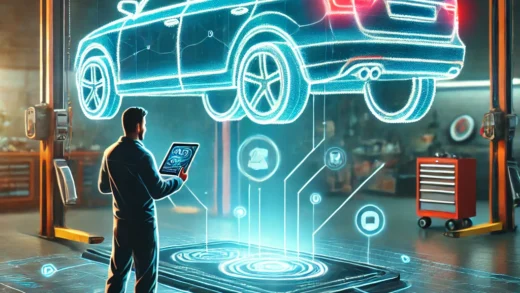
Electric vehicles are no longer a futuristic concept. They are woven into the everyday mobility landscape across the U.S. and Europe, supported by a rapidly expanding network of public and private charging stations. As these charging networks grow, so does their complexity — and with complexity comes vulnerability. Cyberattacks on charging networks have shifted from a distant concern to an emerging reality, pushing automakers, charging providers and regulators to rethink what “security” truly means in an electrified world.

The New Target: Why Charging Networks Attract Cyberattackers
Charging stations today are essentially smart, connected computers. They authenticate users, process payments, communicate with vehicles, interact with energy-management systems and connect to cloud platforms. In the push for interoperability and efficiency, a vast digital ecosystem has formed around charging networks.
For cybercriminals, this creates an appealing target. A single vulnerability in charger firmware or in a communication protocol can open a doorway to thousands of devices. Attackers might manipulate charging processes, steal payment data, disrupt service networks or impersonate chargers to access backend systems. In some cases, weak or outdated software could even provide a pathway into the vehicle’s own electronic architecture.
The stakes are especially high as ultra-fast chargers become more common. These high-powered systems interact more deeply with both the grid and the vehicle, broadening the potential attack surface. As EV adoption accelerates, the scale of opportunity for attackers grows with it, making charging networks one of the most strategically important areas in mobility cybersecurity.
Real Vulnerabilities and Their Possible Impacts
In recent years, cybersecurity researchers and industry bodies have identified a range of vulnerabilities across real-world charging systems. Some weaknesses stem from unsecured communication channels between the charger and central servers. Without proper encryption, attackers can intercept or modify data, posing risks such as unauthorized charging sessions, manipulated billing or falsified charge-point information.
Other vulnerabilities come from firmware flaws. If a charger does not have strong authentication or regularly updated software, it can be remotely accessed and controlled. This could allow a hacker to shut down entire charging stations, alter power levels, or even cause intentional damage to the hardware.
Then there are risks tied to physical access. A malicious device inserted into a charging connector could manipulate signals or disrupt the handshake between the vehicle and charger. While such attacks require close proximity, they remain a concern for unattended chargers in public spaces.
The consequences of a successful attack go beyond inconvenience. A coordinated disruption of charging infrastructure could interrupt business fleets, strain logistics operations or undermine consumer trust. On a larger scale, an attacker could attempt to overload parts of the electrical grid by maliciously activating or deactivating large numbers of chargers simultaneously. For a technology that is central to the future of sustainable mobility, such vulnerabilities highlight the need for strong, standardized protections.
Building Stronger Defenses: How the Industry Is Responding
The good news is that industry leaders, regulators and cybersecurity experts are already taking action. Across both the U.S. and Europe, secure-by-design principles are shaping how new charging systems are built and deployed.
One of the most important shifts is the adoption of secure communication protocols. Modern versions of widely used standards, such as the Open Charge Point Protocol (OCPP), now include robust encryption and authentication mechanisms designed to prevent unauthorized access and data tampering. Implementing these securely — not simply enabling them — is vital for real protection.
Firmware security has also become a major priority. Charging providers are strengthening update mechanisms, ensuring that devices can receive authenticated, tamper-resistant patches. This is particularly important as many charging stations rely on open-source components, which, while flexible, must be monitored carefully for vulnerabilities.
Network segmentation is another key defensive strategy. By separating payment systems, charger controls and user data environments, operators can prevent an attacker from moving easily across systems if one part is compromised. Alongside this, intrusion detection tools are being deployed to monitor for unusual traffic patterns, repeated failed login attempts or suspicious device behaviors — giving operators early warning of potential threats.
The U.S. is emphasizing coordinated frameworks that guide states and private companies in adopting consistent cybersecurity practices across charging networks. Meanwhile, European agencies are encouraging harmonized standards across member states, prioritizing secure hardware, encrypted communication and verified authentication in all EV charging deployments.
Strengthening Trust in an Electrified Future
As charging networks become more sophisticated, cybersecurity must grow alongside them. Drivers expect chargers to be as reliable as traditional fuel stations, and any sign of instability can slow adoption. Protecting charging networks isn’t just about preventing outages; it is about maintaining trust in the entire EV ecosystem.
Automakers, charging providers, technology companies and policymakers all play a role in building this trust. The EV ecosystem thrives on interoperability, but interoperability must never come at the cost of security. Ensuring secure updates, maintaining strong digital identities for chargers, deploying encryption and monitoring networks continuously are no longer optional best practices — they are essential pillars of modern mobility.
The future of electric transportation is bright, efficient and cleaner than ever before. But behind every charging session lies a digital infrastructure that must be safeguarded with the same seriousness as power grids or financial systems. By treating cybersecurity as a core priority, the industry can support the continued rise of EVs without compromise.
In a world where mobility is becoming increasingly connected, defending charging networks is not just a technical challenge — it is a fundamental part of ensuring that the road ahead remains safe, reliable and sustainable for everyone.