

Fleet digital twins are transforming how vehicles are monitored, maintained, and optimized across the United States and Europe. These virtual replicas mirror real-world vehicle performance using live telematics, sensor data, and operational analytics. From predicting maintenance needs to improving safety outcomes, fleet twins are quickly becoming core assets for OEMs and fleet operators. However, with great data comes great responsibility. The more detailed and continuous the data stream, the more critical it becomes to manage who can access it and how it is used.
As fleets scale across regions and industries, digital twins generate massive volumes of sensitive information. This includes vehicle diagnostics, driver behavior patterns, route histories, battery health, and even environmental conditions. Without structured oversight, this data can become a liability rather than an asset. That is why data governance has moved from a back-office compliance task to a strategic priority in fleet management.
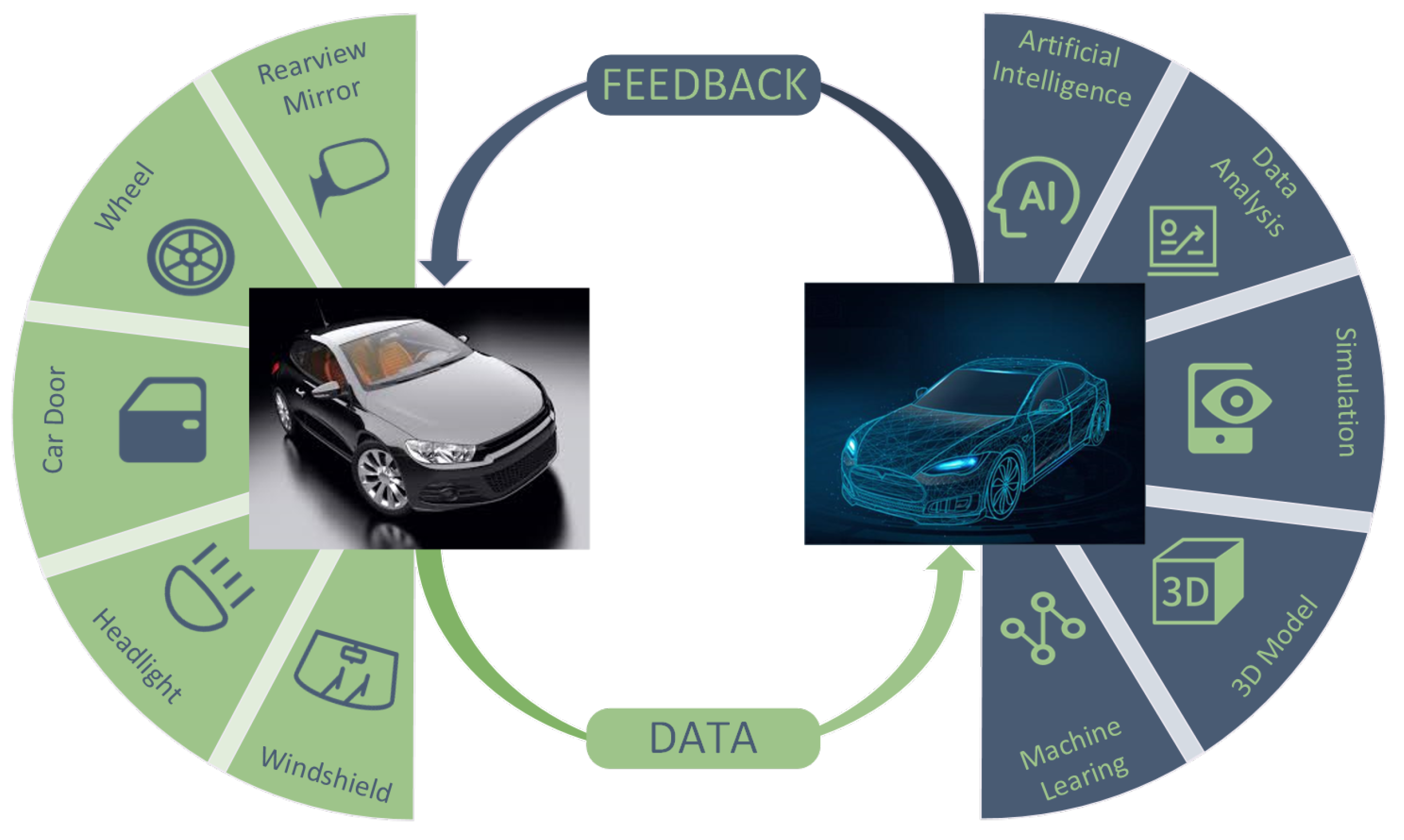
What Data Governance Really Means for Fleet Twins
Data governance is the framework that defines how data is collected, stored, accessed, shared, and protected. In the context of fleet twins, it determines who can see specific datasets and why they need access in the first place. Governance policies clarify whether engineers can review raw telemetry, whether managers can see driver-level performance metrics, and how much information third-party partners are allowed to access.
This clarity is essential because not all data should be visible to everyone. While aggregated performance metrics may be harmless, individual driver patterns or precise location histories can be highly sensitive. Governance ensures that access aligns with legitimate operational needs while protecting personal privacy. It creates guardrails that allow innovation to flourish without crossing ethical or legal boundaries.
Navigating US and EU Regulatory Expectations
Fleet operators working in both US and EU markets must navigate complex regulatory landscapes. In Europe, privacy laws demand explicit consent, purpose limitation, and strong safeguards for personal data. In the United States, a growing patchwork of state-level regulations also requires transparency and consumer control. These legal frameworks make it clear that organizations must justify why they collect data and how it benefits stakeholders.
For fleet twins, this means building privacy considerations into system design from day one. Data minimization practices help ensure that only necessary information is captured. Anonymization and aggregation techniques reduce exposure to sensitive details. By aligning governance with regulatory requirements, fleet operators not only avoid penalties but also strengthen their reputation as responsible technology leaders.
Defining Who Can See What
A central challenge in fleet twin governance is role-based access control. Engineers may need deep diagnostic data to refine system performance, while fleet managers require operational summaries for scheduling and cost control. Safety teams may focus on behavioral analytics, whereas drivers may only need feedback about their own performance. Each role requires a different data lens.
Granting universal access creates unnecessary risk and potential misuse. Instead, governance frameworks should clearly define permissions tied to job responsibilities. For example, a regional fleet supervisor might view aggregated safety trends but not individual route histories. A service technician might access fault logs without seeing broader fleet analytics. This precision reduces risk while preserving functionality.
Balancing Innovation and Privacy
Digital twins thrive on data, but innovation must coexist with trust. Drivers and customers need assurance that their information is handled responsibly. Transparency is critical in building that trust. When drivers understand that data is used to improve safety, reduce downtime, or enhance maintenance accuracy, they are more likely to support the initiative.
Privacy-by-design principles help balance these interests. Systems can anonymize behavioral data before it reaches analytics dashboards. Consent mechanisms can allow drivers to review and manage what is shared. Clear communication about how insights are used strengthens confidence in the system. In competitive US and EU markets, trust becomes a differentiator just as powerful as technology itself.
The Business Value of Strong Governance
Effective data governance is not just about compliance. It directly supports operational excellence and long-term profitability. High-quality, well-managed data improves predictive maintenance accuracy and strengthens safety analytics. It also reduces the risk of costly breaches or reputational damage that could undermine fleet operations.
Governance frameworks also enhance collaboration with partners and suppliers. When data-sharing protocols are clearly defined, third-party service providers can access necessary insights without overstepping boundaries. This controlled transparency fosters innovation while maintaining security. For OEMs and fleet operators, governance becomes an enabler rather than a constraint.
Accountability and Continuous Oversight
Governance does not end with policy creation. Continuous oversight is essential as technology and regulations evolve. Regular audits, updated access controls, and ongoing employee training ensure that governance remains effective. Dedicated data protection roles within organizations help monitor compliance and adapt strategies when new risks emerge.
Accountability builds credibility. When organizations demonstrate clear responsibility for how fleet twin data is handled, regulators and customers alike gain confidence. In a world where data breaches dominate headlines, proactive governance sends a strong message about commitment to integrity.
The Future of Fleet Twin Transparency
As fleet digital twins become more advanced, governance will only grow in importance. Artificial intelligence models will rely on even larger datasets, and cross-border operations will increase data complexity. Clear governance structures will be essential to manage this growth responsibly.
Fleet operators that invest in strong governance today position themselves for long-term success. They unlock the power of digital twins while safeguarding privacy and compliance. In the fast-moving automotive markets of the US and EU, understanding who can see what — and why — is not just a technical question. It is the foundation of sustainable innovation and trusted mobility.


