The modern vehicle is no longer just a mechanical product; it is a connected digital ecosystem. Cameras monitor driver attention, infotainment systems sync with smartphones, navigation learns daily routines, and cloud services enhance performance over time. All of this innovation depends on data, and where there is data, there must be consent. In both the US and European markets, consumers are becoming increasingly aware of how their information is collected and used. Automakers can no longer treat consent as a hidden legal checkbox buried inside a settings menu.
In Europe, regulations such as the General Data Protection Regulation require clear, informed, and freely given permission before processing personal data. In the United States, growing state-level privacy laws and heightened consumer scrutiny are pushing manufacturers to rethink their data strategies. The challenge is unique in automotive because consent prompts appear in a safety-critical environment. Drivers cannot be distracted by complex pop-ups while navigating traffic. Consent UX must therefore be thoughtful, contextual, and seamless.
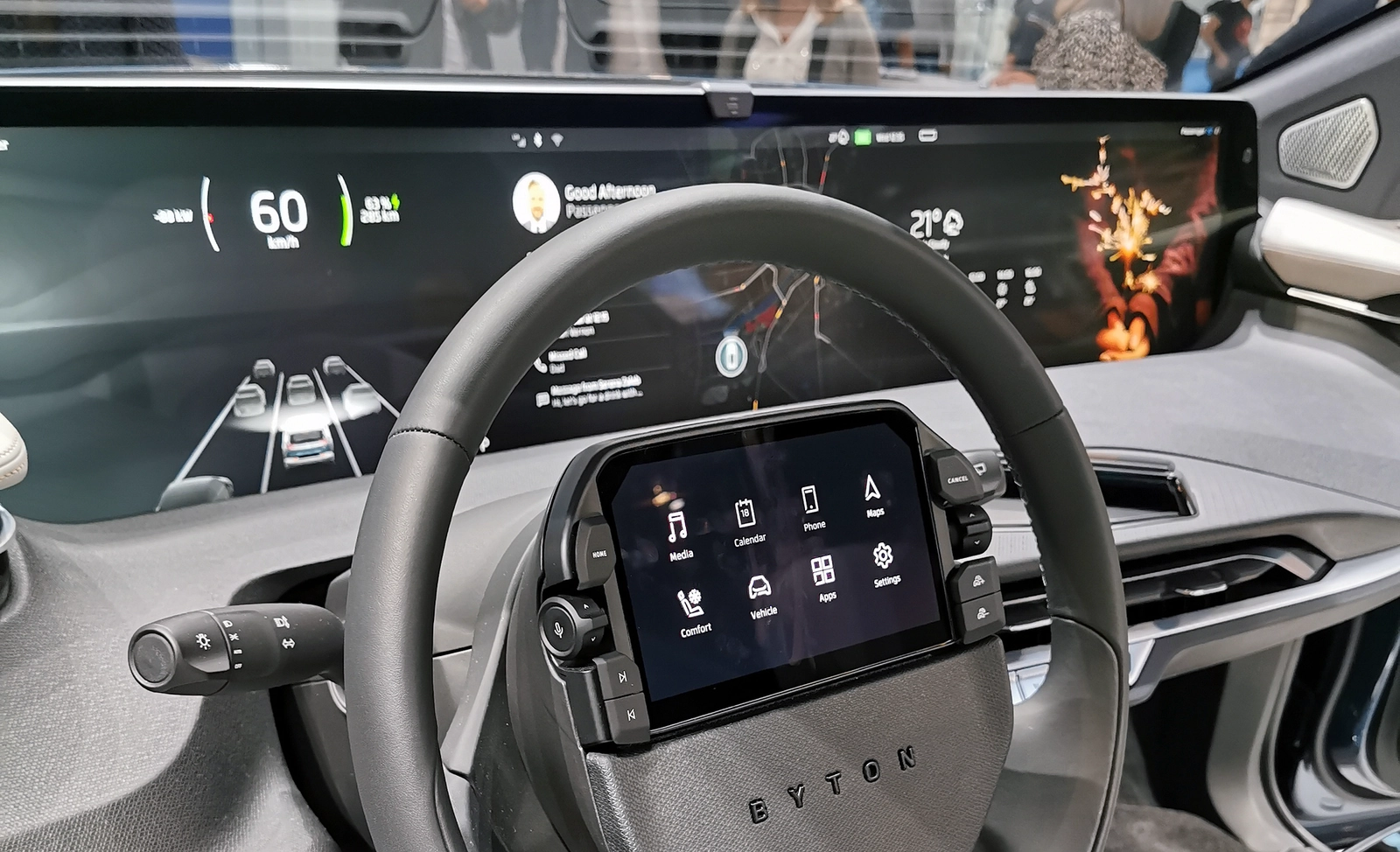
Why Bad Consent Design Hurts Everyone
Poorly designed consent flows create frustration and risk. Imagine starting your vehicle only to face multiple prompts asking for access to location, camera, microphone, and driving behavior data before you even shift into gear. Over time, this leads to what experts call “consent fatigue,” where drivers click accept simply to remove the interruption. That behavior undermines the purpose of consent and weakens regulatory compliance.
From a business perspective, intrusive permission requests damage brand perception. Drivers expect premium digital experiences similar to their smartphones but without constant interruptions. If consent feels pushy or confusing, it erodes trust in the vehicle’s technology. In competitive US and EU markets where connected features are a major selling point, trust directly impacts purchase decisions and long-term loyalty.
Timing Is Everything Behind the Wheel
The most important rule of consent UX in vehicles is simple: never interrupt critical driving moments. Permission requests should appear at logical, low-risk touchpoints such as during initial vehicle setup, while parked, or when activating a new feature. Contextual timing makes the request feel relevant instead of random. For example, asking for location access when a driver opens navigation feels natural and purposeful.
Consent should also be progressive rather than overwhelming. Instead of requesting blanket access to all systems at once, introduce permissions as features are used. When a driver activates voice control for the first time, that is the right moment to explain microphone access. This approach aligns with regulatory expectations in Europe while reducing friction for American consumers who value convenience.
Speak Human, Not Legal
Another critical element of effective consent UX is language clarity. Legal terminology may satisfy compliance teams, but it confuses drivers. Instead of saying “Enable telemetry data for algorithmic optimization,” a better prompt would say, “Allow us to use driving data to improve safety alerts.” Simple explanations build understanding and confidence.
Transparency also means explaining benefits clearly. Drivers are more willing to grant access when they understand the value exchange. If cabin monitoring improves fatigue detection, say so directly. If sharing vehicle diagnostics enables faster service appointments, communicate that advantage. Clear, benefit-driven messaging increases opt-in rates while maintaining compliance with data protection frameworks in both the EU and US.
Control Builds Confidence
Consent should never feel permanent or irreversible. Drivers must be able to revisit and adjust permissions easily through an intuitive privacy dashboard. A well-designed privacy center inside the infotainment system allows users to see what data is active, what features rely on it, and how to turn it off. When drivers feel in control, they are far less likely to view data collection as intrusive.
This transparency is especially important in Europe, where privacy expectations are deeply embedded in consumer culture. However, American drivers also increasingly expect similar clarity. Providing accessible controls demonstrates respect for user autonomy and strengthens brand credibility. It also reduces customer support complaints and potential regulatory scrutiny.
Personalization Without Crossing the Line
Personalization is one of the strongest arguments for data sharing in modern vehicles. Adaptive climate control, automatic seat adjustments, route predictions, and music recommendations all rely on learning driver preferences. The key is to ensure that personalization feels helpful rather than invasive. Consent prompts should highlight how the feature enhances comfort or convenience.
For example, when enabling driver profiles that adjust settings automatically, explain that the system learns preferences locally and protects data. Emphasizing security and privacy reassurance can dramatically increase acceptance rates. In the US and EU markets alike, consumers want smarter cars but not at the cost of feeling monitored. A balanced, respectful approach makes personalization a selling point rather than a concern.
Designing for the Long Term
Consent UX is not a one-time design task; it is an ongoing relationship strategy. As vehicles receive over-the-air updates introducing new features, new permissions may be required. Each new request should maintain the same principles of timing, clarity, and control. Consistency reinforces trust and avoids the perception that data policies are constantly shifting.
Automakers that treat consent UX as a core part of the customer experience will stand out in crowded markets. Drivers remember how technology makes them feel. A smooth, respectful consent journey creates positive emotional associations with the brand. That emotional connection translates into loyalty, repeat purchases, and strong word-of-mouth in an increasingly digital automotive landscape.
Turning Permission Into Partnership
The future of connected vehicles depends on trust. Asking for permission should not feel like an obstacle; it should feel like the start of a partnership between driver and vehicle. When consent UX is designed thoughtfully, drivers understand what they are sharing and why. They feel respected, informed, and in control.
In both the US and European markets, this balanced approach will define the next generation of automotive user experience. By combining regulatory compliance with intuitive design, automakers can ask permission without annoying drivers. The result is not only better data governance but a smoother, more confident journey for everyone on the road.